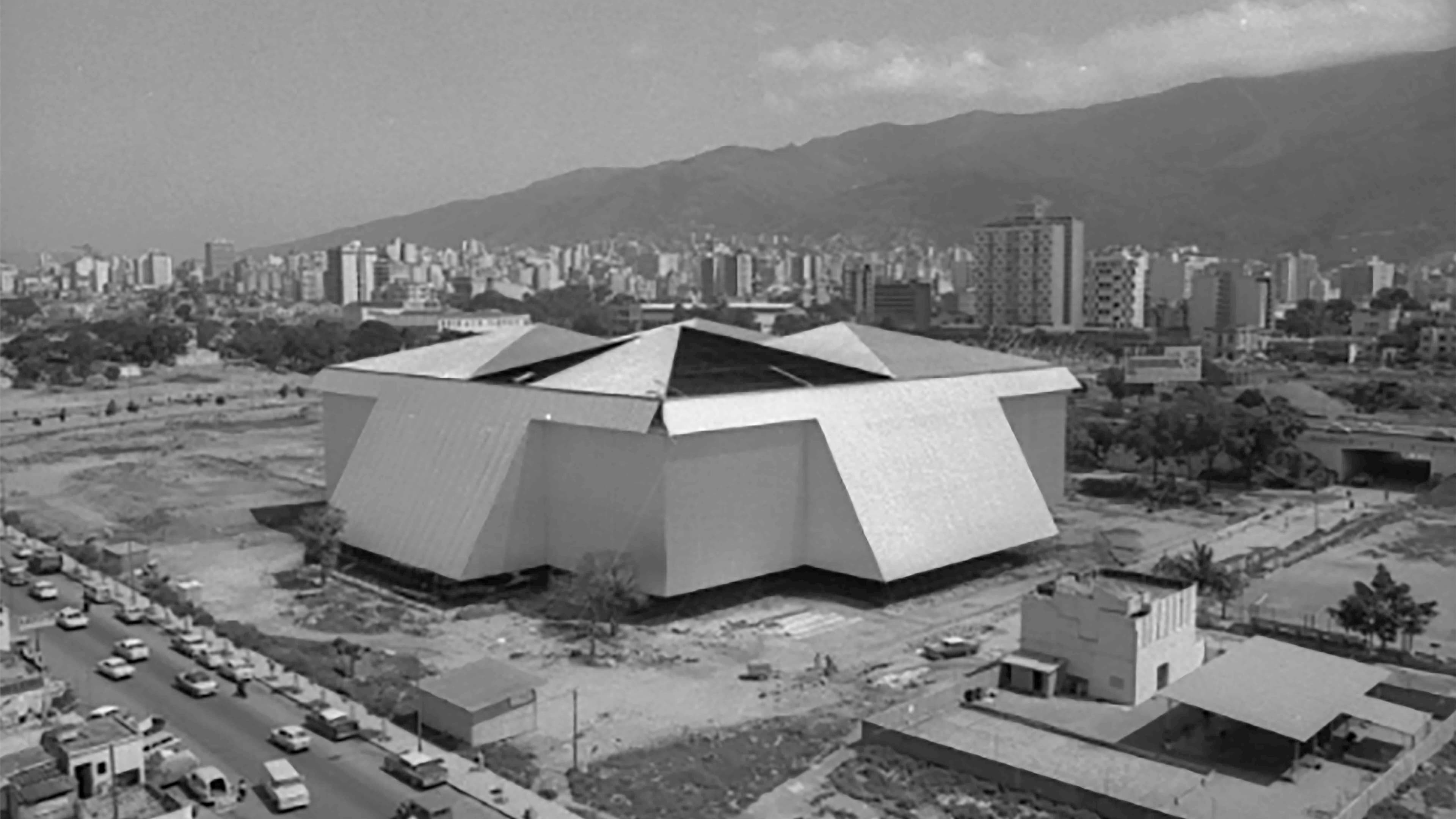
Imagen de Caracas was an experimental film spectacle, directed by Jacobo Borges and Mario Robles in 1968 for the 400 anniversary of the foundation of Caracas. It needed more than 48768 meters of film and 5000 actors.
Social & External
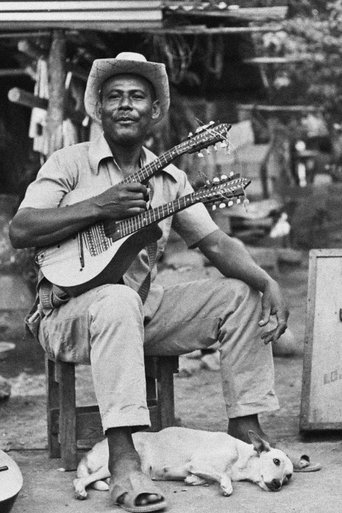
Cruz Quinal, "the mandolin king," lives near Cumana in a mountain valley surrounded by sugarcane fields. Perpetuating 16th century Spanish traditions of guitar-making, Cruz fashions such musical instruments as cuatros, marimba, escarpandola, and his own creation, a mandolin with two fretboards. He is an accomplished musician as well. In this moving portrait, Cruz compares himself to a decaying colonial church across the street: revered yet neglected, the village altar stands, paint peeling, under the open sky.
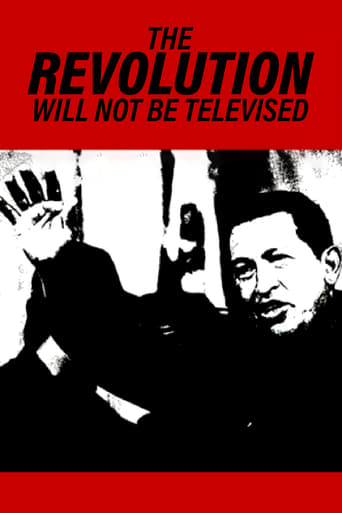
Hugo Chavez was a colourful, unpredictable folk hero who was beloved by his nation’s working class. He was elected president of Venezuela in 1998, and proved to be a tough, quixotic opponent to the power structure that wanted to depose him. When he was forcibly removed from office on 11 April 2002, two independent filmmakers were inside the presidential palace.
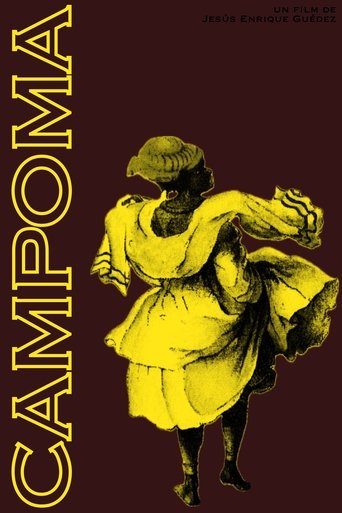
Short that tells the history of Campoma, a small Venezuelan town founded by black slaves.
Trade union leader Manuel Taborda, a pioneer of workers' organisations in the oil industry, recounts his experiences and those of his colleagues from 1920 to 1936, with an emphasis on the struggles against foreign companies and the government.
In 1969, the Renovación Universitaria movement and the subsequent raid on the Central University of Venezuela by the government of Rafael Caldera, triggered a strong wave of protest in the Institutes of Higher Education in Venezuela. This documentary collects part of the events that took place in the city of Mérida, Mérida State, where the University of the Andes is located.
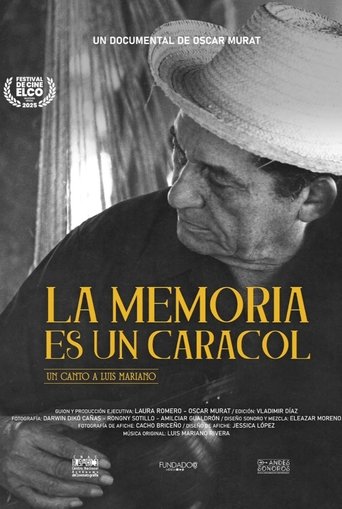
Documentary about the life of Luis Mariano Rivera.
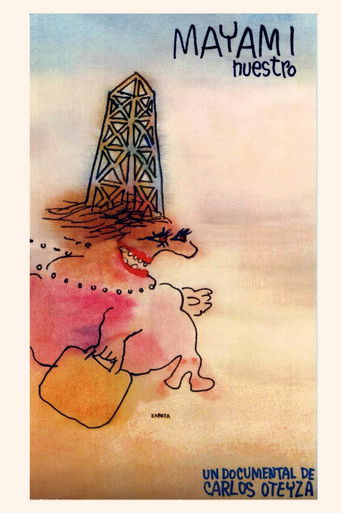
Mayami Nuestro goes beyond the slogan "tá barato, dame dos" (“it’s cheap, give me two”) to force a rethinking of Venezuela’s relationship with oil and national identity. Produced at the height of the oil boom, this 34-minute documentary examines Venezuelan lifestyles in the 1970s and early 1980s, questioning the consumerist fantasies fueled by petro-wealth. Through interviews with merchants, bankers, U.S. academics, and the testimonies of Venezuelans themselves, the film maps the era’s version of the “American Dream” as lived—and projected—abroad. Winner of national and international awards and directed by Carlos Oteyza, Mayami nuestro offers a sharp, historically grounded critique and an open invitation for new generations to reflect on the legacy of oil and its cultural consequences.
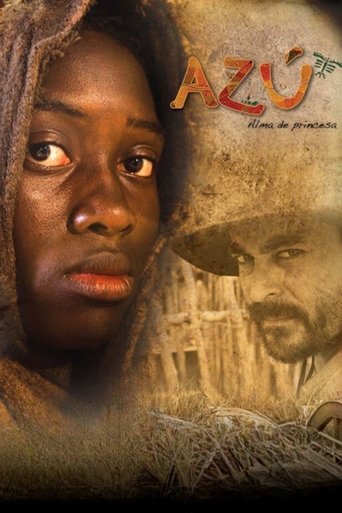
1780, a group of slaves flee from a sugar cane hacienda. As they are pursued by Don Manuel Aguirre, obsessed landowner who has fixed his eyes on Azu, the beautiful slave with an ancestral destiny.
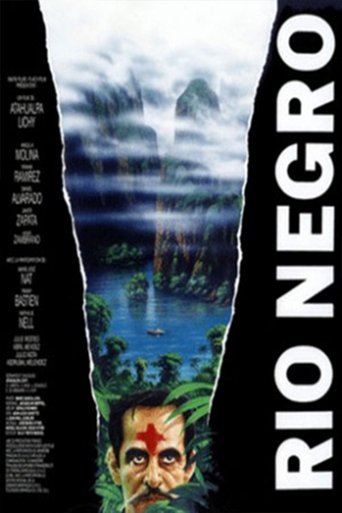
Río Negro is the struggle of two men, Osuna and Funes, hungry for power and wealth in a small town in Venezuela, during the dictatorship of Juan Vicente Gómez
Documentary about the life of Simón Bolívar, directed by Antonio Bacé.
Intertwined stories of people fighting for love, survival and the truth during quarantine.
In 1973, eleven year old Miguelito was discovered singing in the San Juan airport by the legendary New York record producer Harvey Averne. Within the year, he went from the slums of Manuel A Perez, to recording an album with some of the finest salsa musicians of the time to finally performing with Eddie Palmieri at Madison Square Garden in front of 20,000 people. Throughout Latin America his songs ‘Payaso’ and ‘Canto a Borinquen’ had become cult hits. And then he simply disappeared...
A documentary about Hans Zimmer's tour in 2017.
A documentary about the life choices of seven men and one woman who left their home countries and moved to Yugoslavia at the time of the non-aligned movement. In Slovenia, they started new lives, had families and made careers. Coming from different cultures, there are two traits they share: determination and persistence. In their personal accounts, they speak of their experience and share their memories of the time since their arrival.
Anthology of six short films, including: Dizzy Gillespie Chicken Real Cigarette Blues God Respects Us When We Work, But Loves Us When We Dance Running Around Like A Chicken With Its Head Cut Off The Sun’s Gonna Shine
Twelve St. Petersburg teenagers who were convicted of crimes of varying severity receive a pardon, and they replace the real terms with conditional ones with the obligation to live in a social rehabilitation center.
The early retired Gert spends the last summer in his garden, a place that has become a real home for him. The garden will be demolished to create a shopping center on its grounds. The only thing Gert can do is remember memories of happy times he spent with his family in the garden.
This short film speaks to how hard it is to teach in a violent atmosphere. Teachers have to adapt to union conditions, educational reforms, low wages, distances and isolation, and the great challenge in instilling in their students a moral code, in communities where this concept is fractured. How do you tell a child that his father or his brother’s actions destroy a society’s social fabric, when they think it’s normal to follow that moral code?