Short that tells the history of Campoma, a small Venezuelan town founded by black slaves.
Social & External
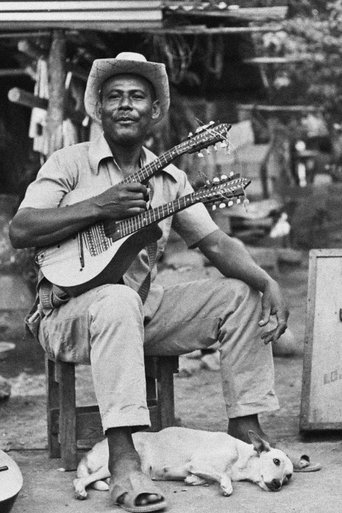
Cruz Quinal, "the mandolin king," lives near Cumana in a mountain valley surrounded by sugarcane fields. Perpetuating 16th century Spanish traditions of guitar-making, Cruz fashions such musical instruments as cuatros, marimba, escarpandola, and his own creation, a mandolin with two fretboards. He is an accomplished musician as well. In this moving portrait, Cruz compares himself to a decaying colonial church across the street: revered yet neglected, the village altar stands, paint peeling, under the open sky.
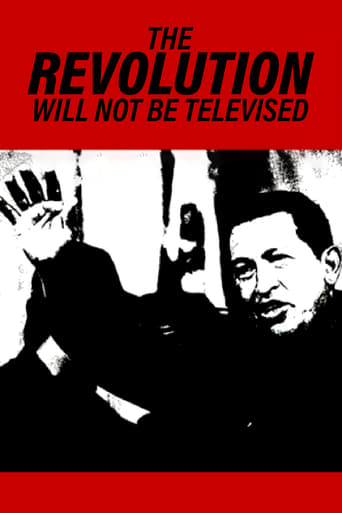
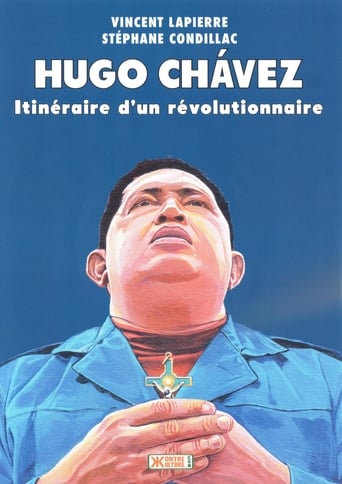
Hugo Chavez was a colourful, unpredictable folk hero who was beloved by his nation’s working class. He was elected president of Venezuela in 1998, and proved to be a tough, quixotic opponent to the power structure that wanted to depose him. When he was forcibly removed from office on 11 April 2002, two independent filmmakers were inside the presidential palace.
In 1969, the Renovación Universitaria movement and the subsequent raid on the Central University of Venezuela by the government of Rafael Caldera, triggered a strong wave of protest in the Institutes of Higher Education in Venezuela. This documentary collects part of the events that took place in the city of Mérida, Mérida State, where the University of the Andes is located.
Trade union leader Manuel Taborda, a pioneer of workers' organisations in the oil industry, recounts his experiences and those of his colleagues from 1920 to 1936, with an emphasis on the struggles against foreign companies and the government.
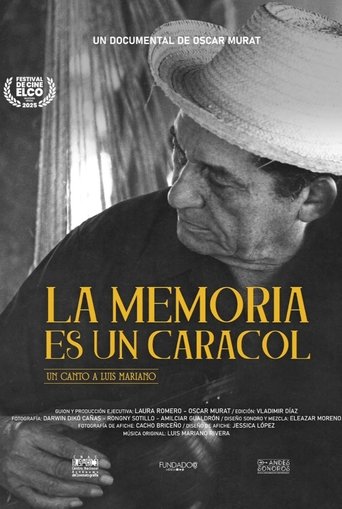
Documentary about the life of Luis Mariano Rivera.
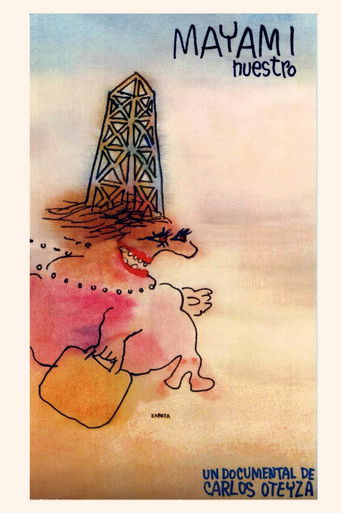
Mayami Nuestro goes beyond the slogan "tá barato, dame dos" (“it’s cheap, give me two”) to force a rethinking of Venezuela’s relationship with oil and national identity. Produced at the height of the oil boom, this 34-minute documentary examines Venezuelan lifestyles in the 1970s and early 1980s, questioning the consumerist fantasies fueled by petro-wealth. Through interviews with merchants, bankers, U.S. academics, and the testimonies of Venezuelans themselves, the film maps the era’s version of the “American Dream” as lived—and projected—abroad. Winner of national and international awards and directed by Carlos Oteyza, Mayami nuestro offers a sharp, historically grounded critique and an open invitation for new generations to reflect on the legacy of oil and its cultural consequences.
Imagen de Caracas was an experimental film spectacle, directed by Jacobo Borges and Mario Robles in 1968 for the 400 anniversary of the foundation of Caracas. It needed more than 48768 meters of film and 5000 actors.
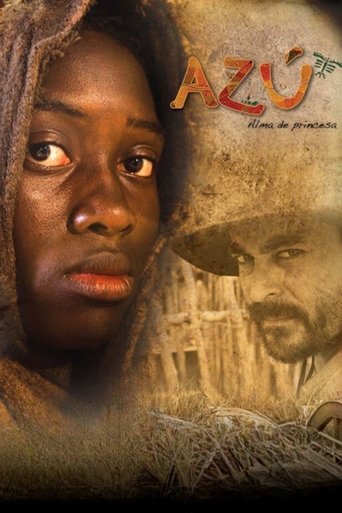
1780, a group of slaves flee from a sugar cane hacienda. As they are pursued by Don Manuel Aguirre, obsessed landowner who has fixed his eyes on Azu, the beautiful slave with an ancestral destiny.
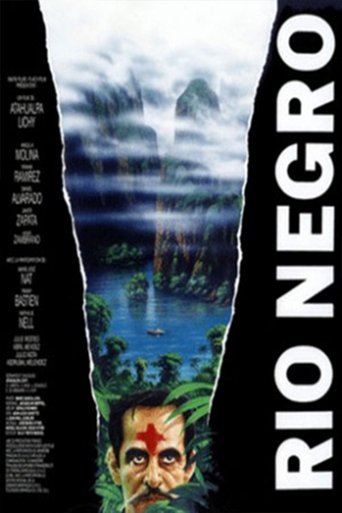
Río Negro is the struggle of two men, Osuna and Funes, hungry for power and wealth in a small town in Venezuela, during the dictatorship of Juan Vicente Gómez
Documentary about the life of Simón Bolívar, directed by Antonio Bacé.
Intertwined stories of people fighting for love, survival and the truth during quarantine.
Velvet Underground's first public appearance.
Footage from 1964-1968 that did not find its way into the Walden reels is joined in this classic period piece. Mostly centered in New York, it also includes travel footage and appearances by David Wise, Salvador Dali, Allen Ginsberg, Jack Smith, Shirley Clarke, Jane Holzer and more. Mel Lyman plays his banjo on the roof.
During the summer of 1966 Jonas Mekas spent two months in Cassis, as a guest of Jerome Hill. Mekas visited him briefly again in 1967, with P. Adams Sitney. The footage of this film comes from those two visits. Later, after Jerome died, Mekas visited his Cassis home in 1974. Footage of that visit constitutes the epilogue of the film. Other people appear in the film, all friends of Jerome.
The film is arranged in six chronologically-ordered parts, each filmed in a different location during Oona's third year.
Documentary short on the Octoberfest in Munich.
This is a video record of the Buddhist Wake ceremony at Allen Ginsberg's apartment. You see Allen, now asleep forever, in his bed; some of his close friends; and the wrapping up and removal of Allen's body from the apartment. You hear Jonas' description of his last conversation with Allen, three days earlier. You see the final farewell at the Buddhist temple, 118 West 22nd Street, New York City, and some of his close friends: Patti Smith, Gregory Corso, LeRoy Jones-Baraka, Hiro Yamagata, Anne Waldman, and many others.
This is a mini-portrait of one of the legendary figures of the 60s who should be credited for the discovery of the Velvet Underground, for saving Bob Dylan's mind after the motorcycle crash, for her pioneering sound/image installations, for keeping the New York Sixties' art community together, for one of the key works of erotic cinema Christmas on Earth, and etc. and etc.
Jonas Mekas documents Timothy Leary’s Millbrook estate in the wake of a police raid, juxtaposing serene images of the property with audio of officials justifying their actions. Blending diary footage with subversive reportage, the film exposes the gap between perception and authority, offering an oblique portrait of the counterculture and its suppression.