Social & External
The people behind it
In this visual essay John Bengtson, author of Silent Echoes: Discovering Early Hollywood Through the Films of Buster Keaton, provides a tour of where Seven Chances was filmed, comparing archival images with contemporary photos, and sharing stories of Mrs. Eleanor Keaton's visit to the Seven Chances church.
Four visual essays by Silent Echoes author John Bengtson identifying Buster Keaton's shooting locations for his many short films produced between 1920-1923, many in the streets surrounding his former Hollywood studio, the same studio where, a few years earlier, Charlie Chaplin had made his brilliant series of Mutual shorts.
A documentary about Buster Keaton's "Italian" villa in Beverly Hills.
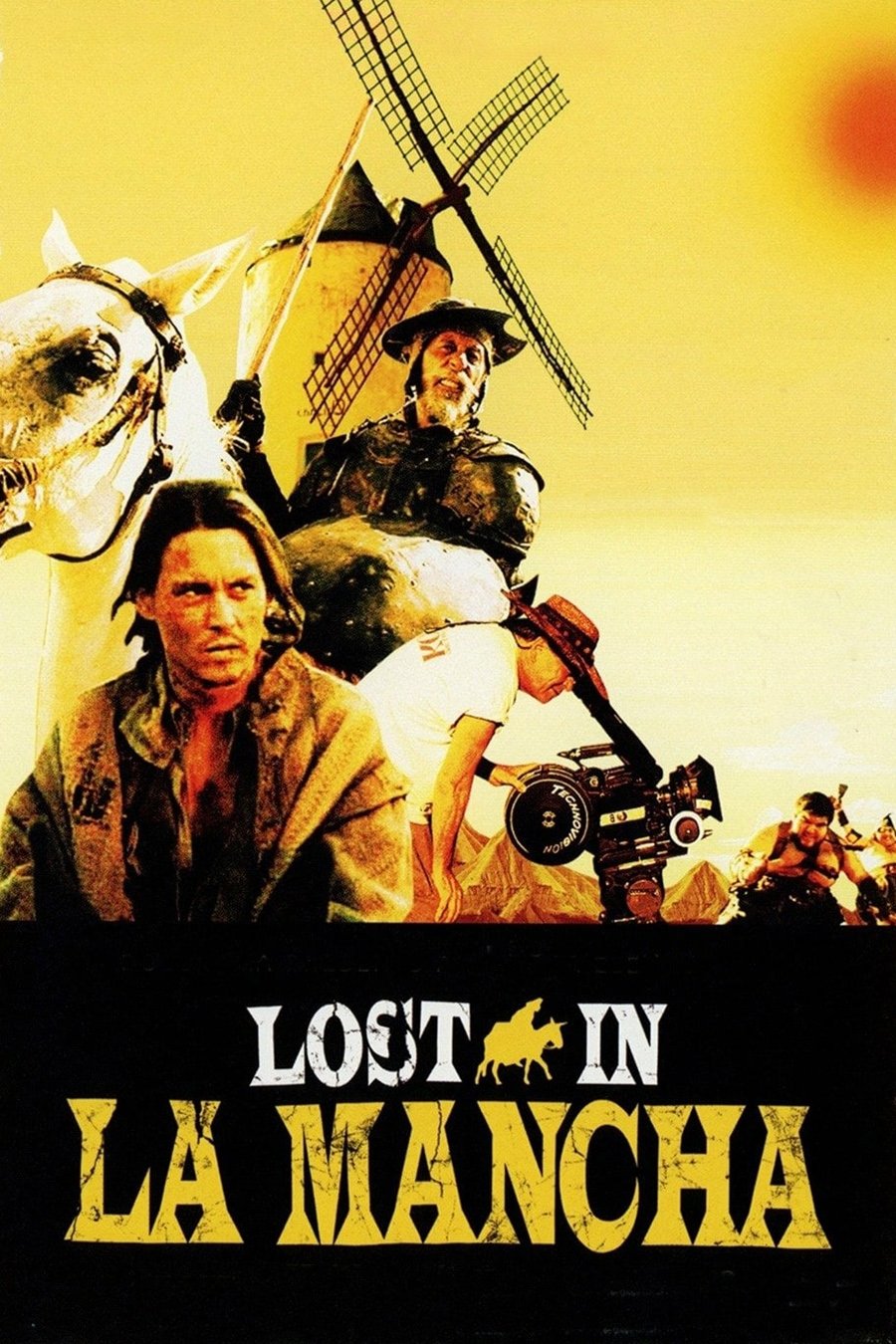
Fulton and Pepe's 2000 documentary captures Terry Gilliam's attempt to get The Man Who Killed Don Quixote off the ground. Back injuries, freakish storms, and more zoom in to sabotage the project.
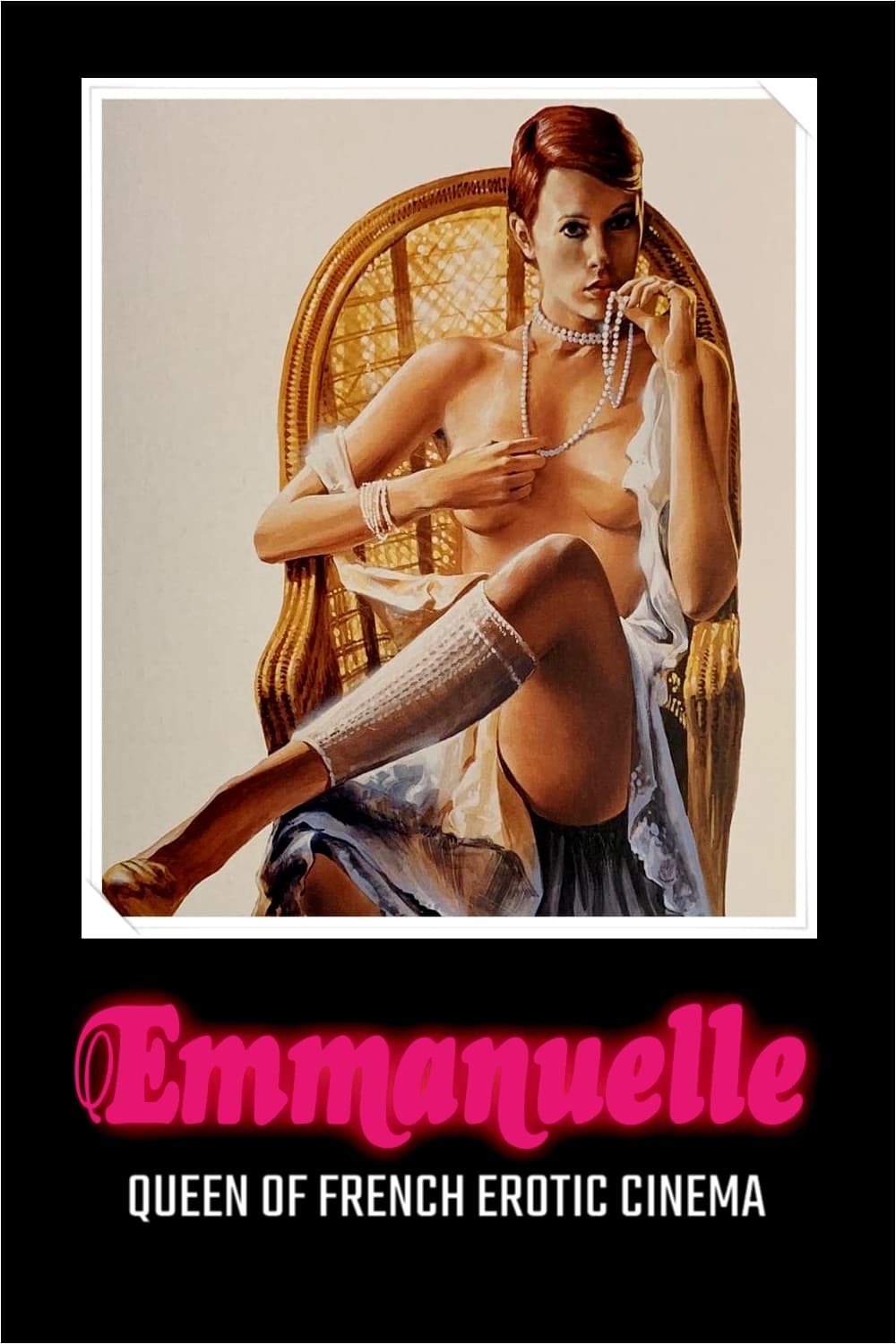
France, 1974. The erotic film Emmanuelle, directed by Just Jaeckin, breaks all records for cinema attendance: the story of the creation of a sensual epic that marked a turning point in the struggle for sexual emancipation.
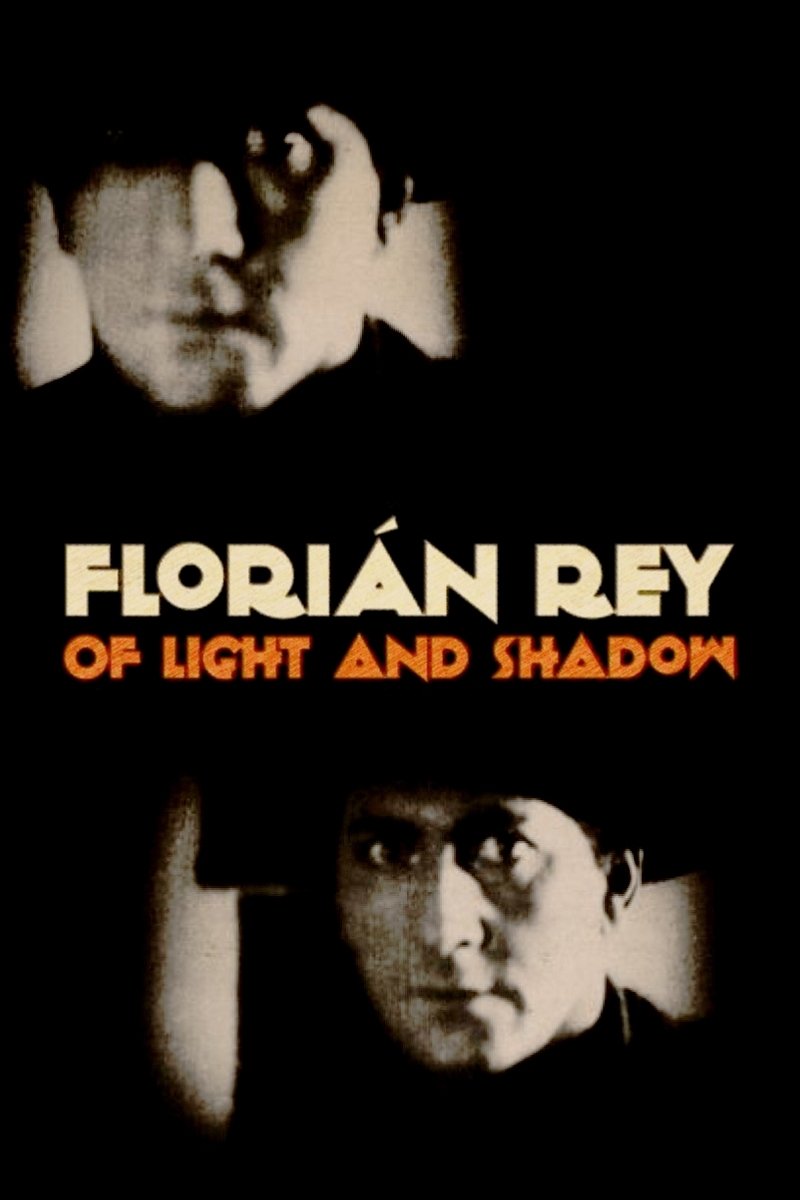
The life and professional career of the Spanish filmmaker Florián Rey (1894-1962), a brilliant artist who began his career in silent films and had great commercial success during the Second Republic (1931-1936): a journey to the early days of Spanish cinema.
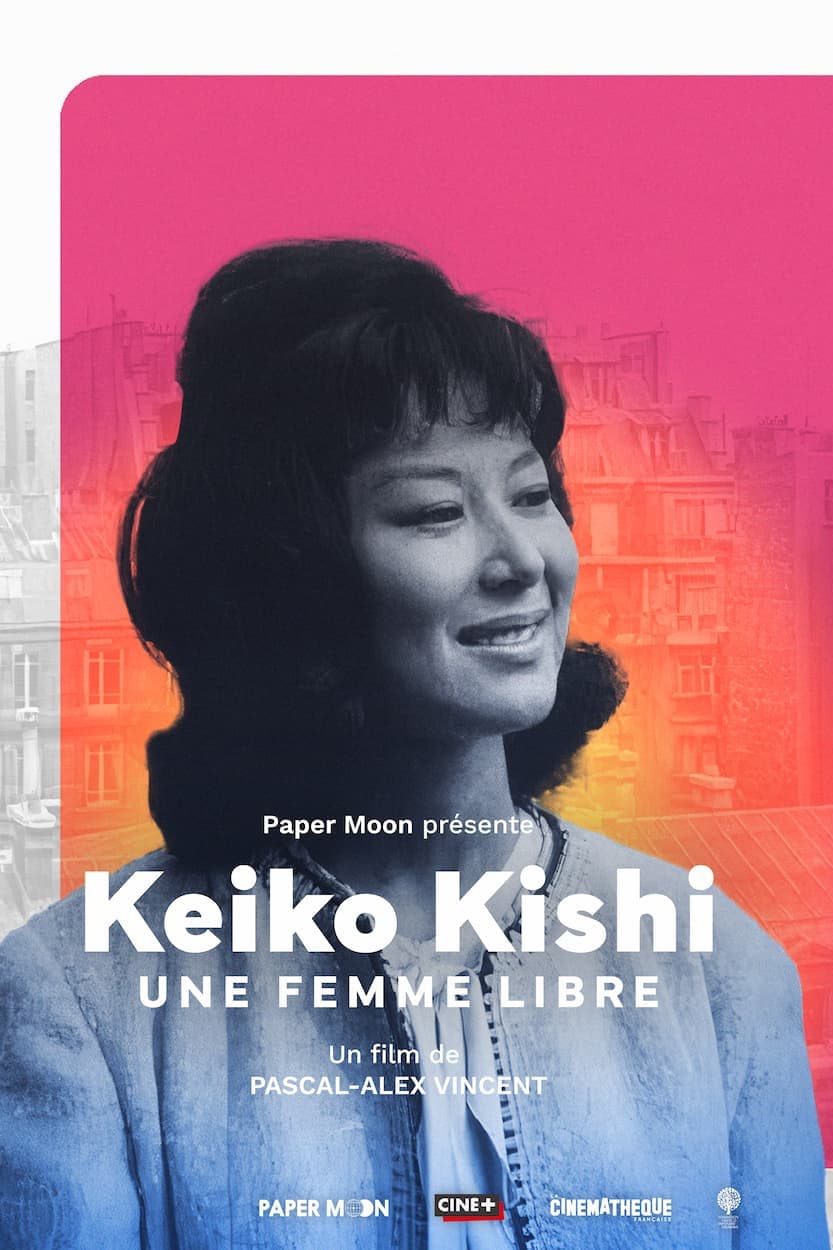
Born in 1932, Keiko Kishi has been one of the first Japanese actresses known worldwide. Her decision to move to France and to marry director Yves Ciampi in 1957 – after he filmed her in Typhoon Over Nagasaki starring Jean Marais and Danielle Darrieux – caused a huge scandal in Japan. Despite this transgression, Keiko Kishi continued acting in her home country with Kon Ichikawa, Yasujiro Ozu, Masaki Kobayashi… building unique bridges between Japanese and European cultures. Free and rebellious, she emancipated herself from the many obstacles she encountered in the film industry, and created her own production company in her early twenties. Let’s look back at the story of a pioneer, an inspiration for many generations.
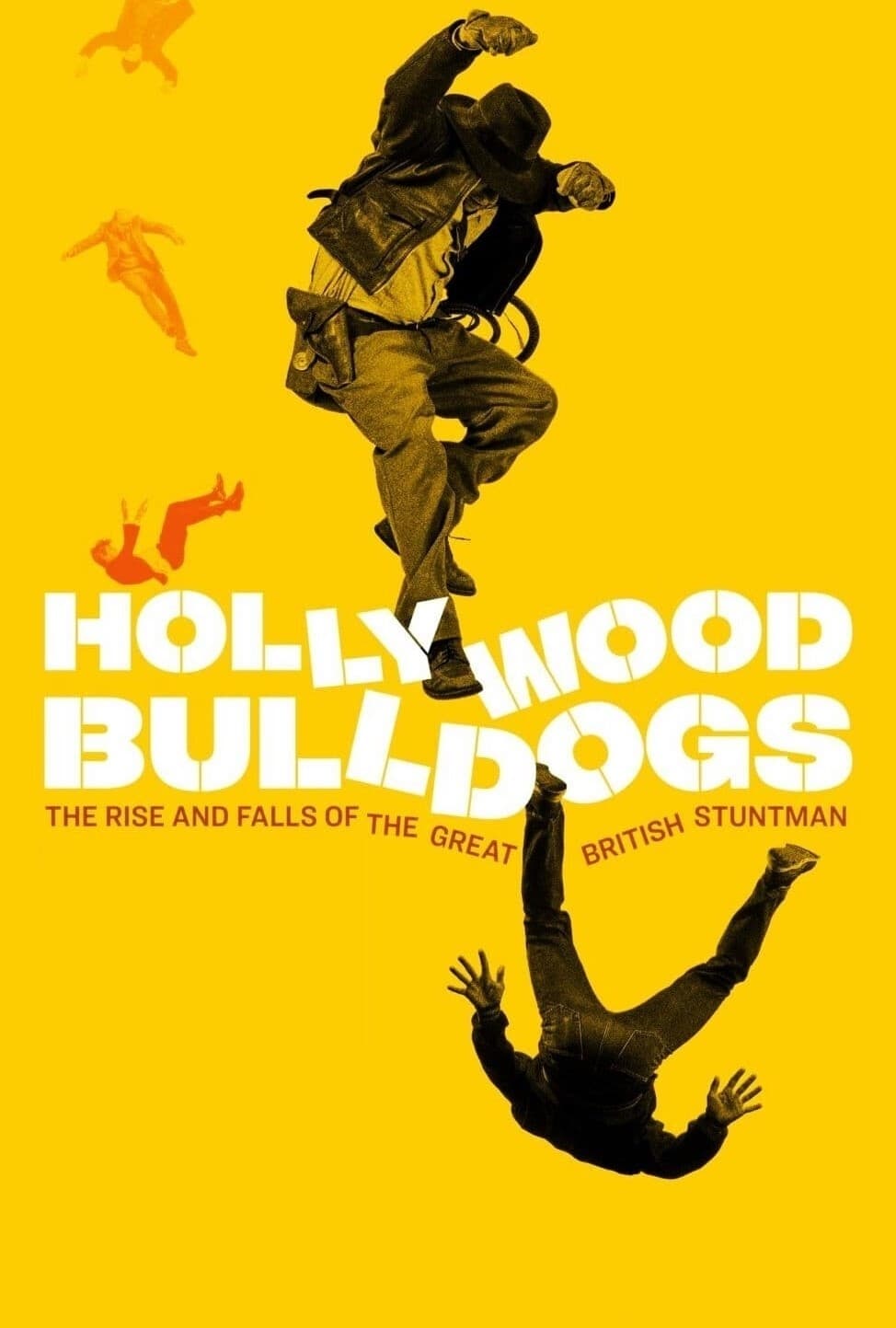
They created and performed the iconic action sequences of 007, Indiana Jones, Superman, Rambo, Star Wars, Conan, the Alien films and pretty much everything since. They crashed cars, jumped from burning buildings, shot, stabbed, kicked and punched their way into cinema history. This is the first feature documentary to unite the legendary community of stuntmen in telling their story and, as you'll see, there's life in the old dogs yet.
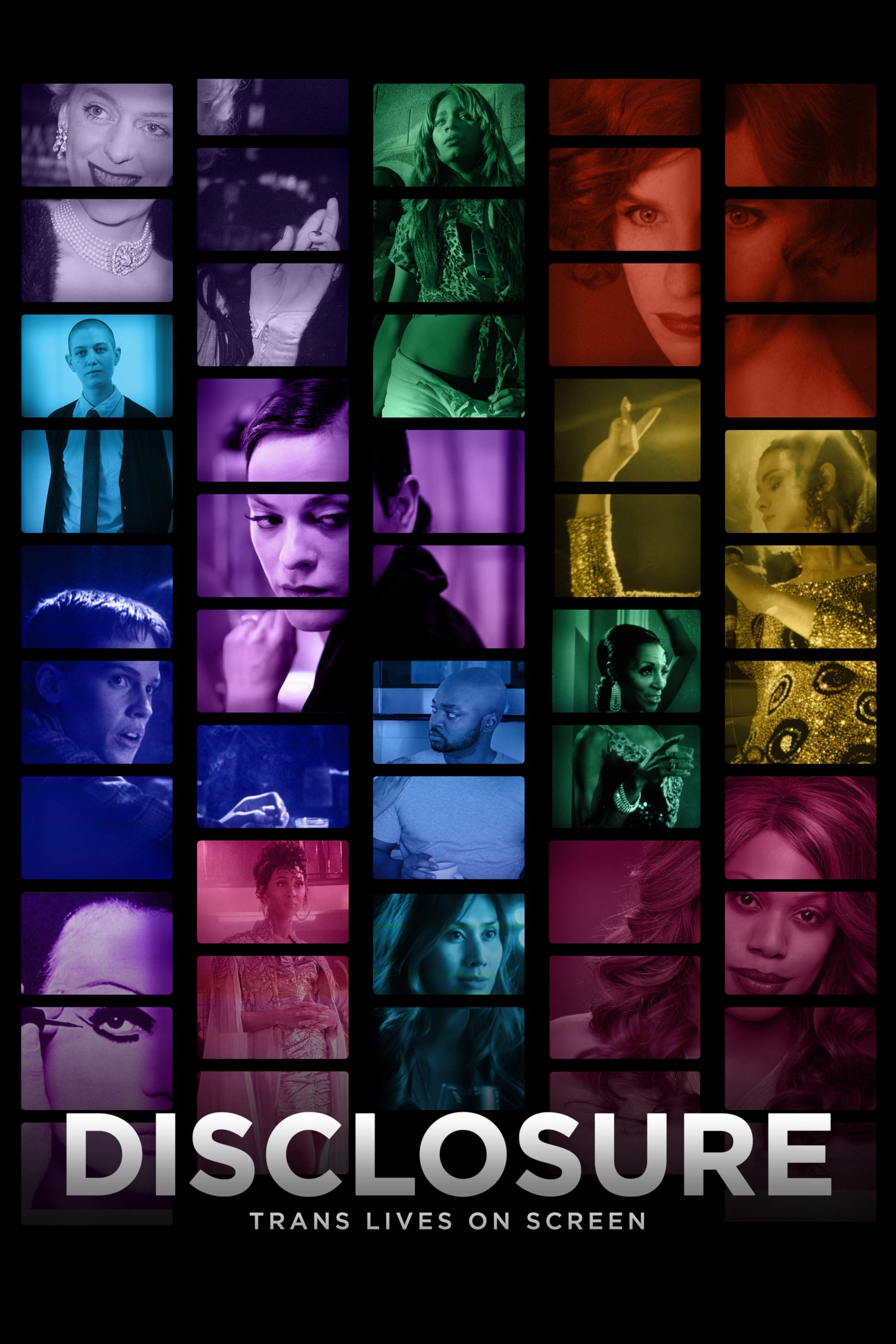
An investigation of how Hollywood's fabled stories have deeply influenced how Americans feel about transgender people, and how transgender people have been taught to feel about themselves.
The order comes in the summer of 1941 from Propaganda Minister Joseph Goebbels himself: The best animators are summoned to Berlin. Their task: Producing feature-length cartoons in ‘Disney quality’ with the newly founded ‘Deutsche Zeichenfilm GmbH’. To get trained, the Disney movie “Snow White” is retraced frame by frame. After the final victory, one new feature-length production of quality shall be released every year from 1947 onwards – that is the plan. Only in 1943, the first production is completed: “Armer Hansi”, a 17-minute-long colour movie, realized with the effortful multiplane technology. The second film by the ‘Deutsche Zeichenfilm’ is only completed in 1946 – by DEFA. In the territories occupied by Germany, cartoons are produced as well, sometimes harmless ones, sometimes propagandistic ones. With excerpts from animated movies, live action film documents, and witness reports by contemporaries, this documentary draws a picture of the cartoon production in the Third Reich.
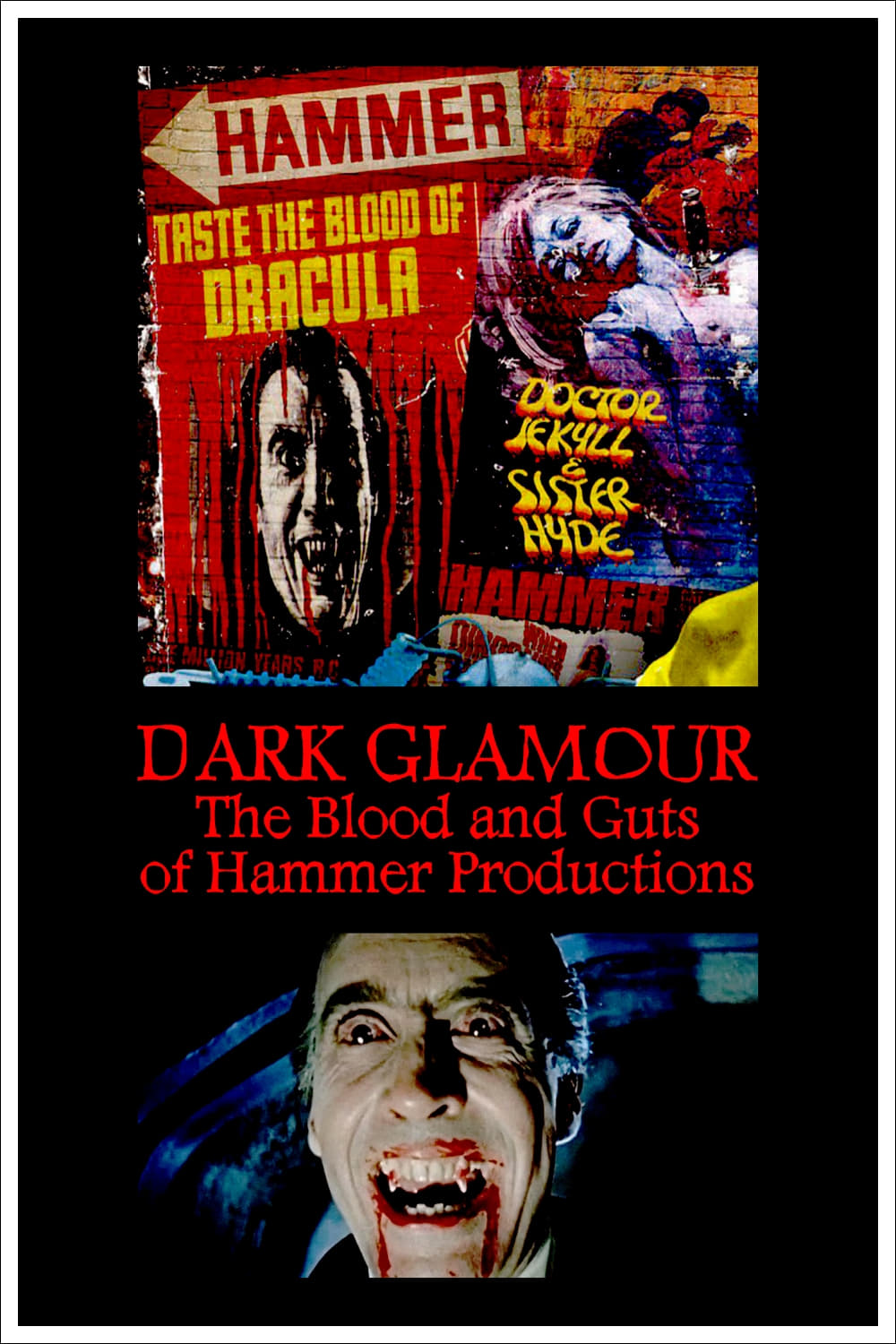
The greatness, fall and renaissance of Hammer, the flagship company of British popular cinema, mainly from 1955 to 1968. Tortured women and sadistic monsters populated oppressive scenarios in provocative productions that shocked censorship and disgusted critics but fascinated the public. Movies in which horror was shown in offensive colors: dreadful stories, told without prejudices, that offered fear, blood, sex and stunning performances.
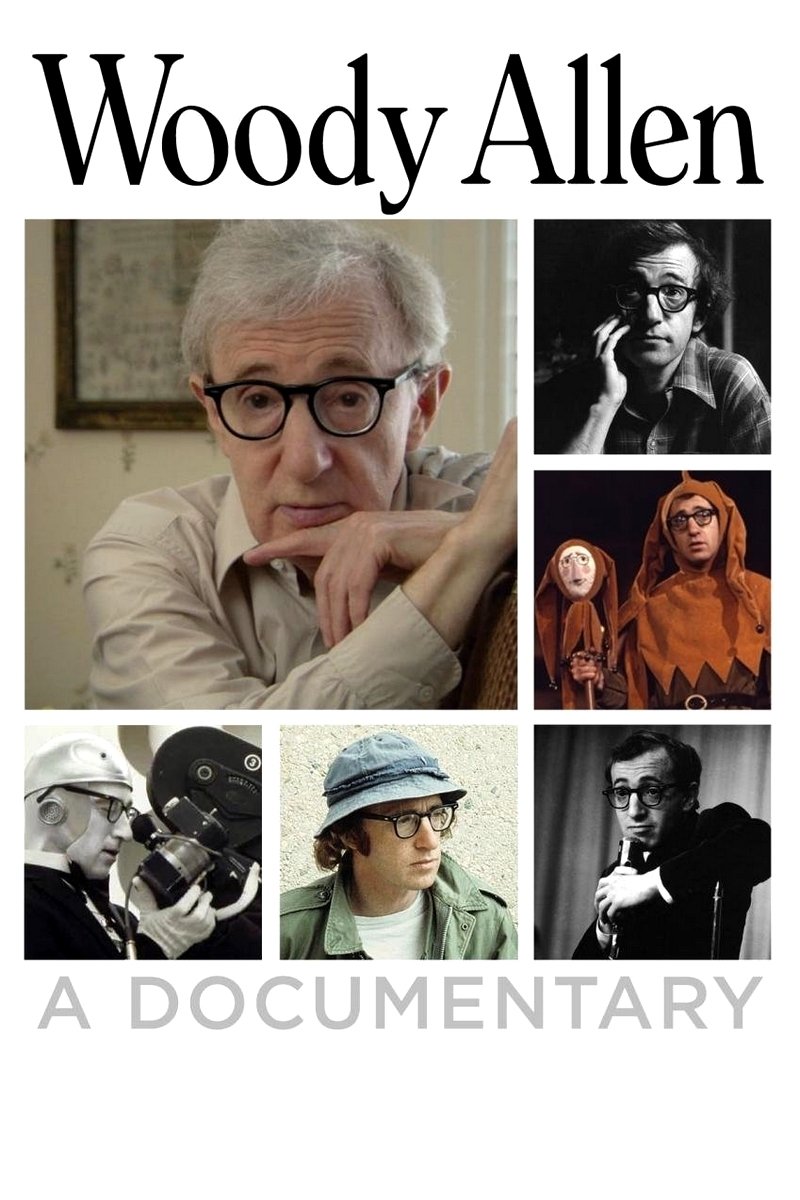
An intense portrait of the iconic filmmaker, writer, actor, comedian and musician Woody Allen: his life, family and friends; his writing and directing habits, and his relationship with performers.
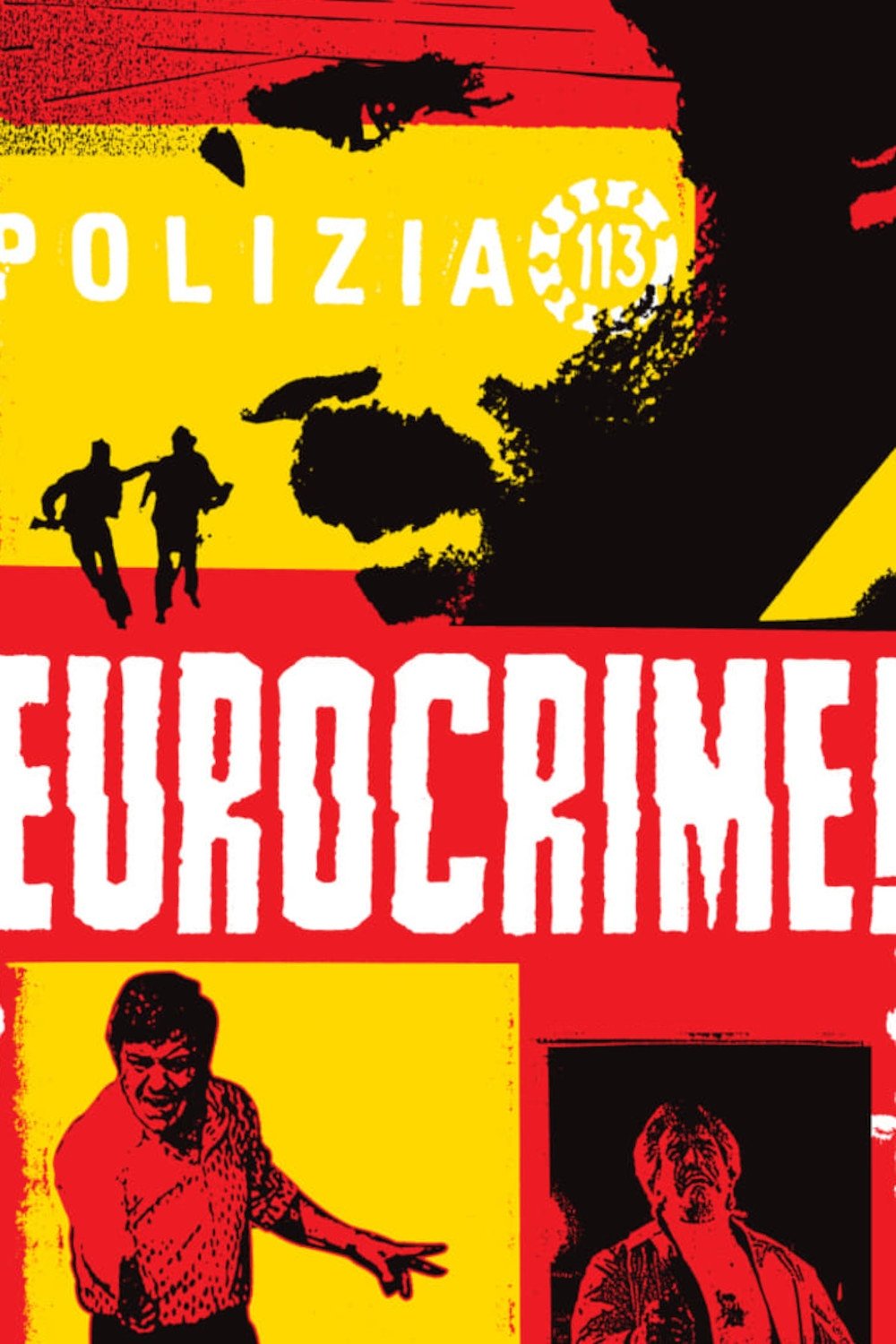
A documentary concerning the violent Italian 'poliziotteschi' cinematic movement of the 1970s which, at first glance, seem to be rip-offs of American crime films like DIRTY HARRY or THE GODFATHER, but which really address Italian issues like the Sicilian Mafia and red terrorism. Perhaps even more interesting than the films themselves were the rushed methods of production (stars performing their own stunts, stealing shots, no live sound) and the bleed-over between real-life crime and movie crime.
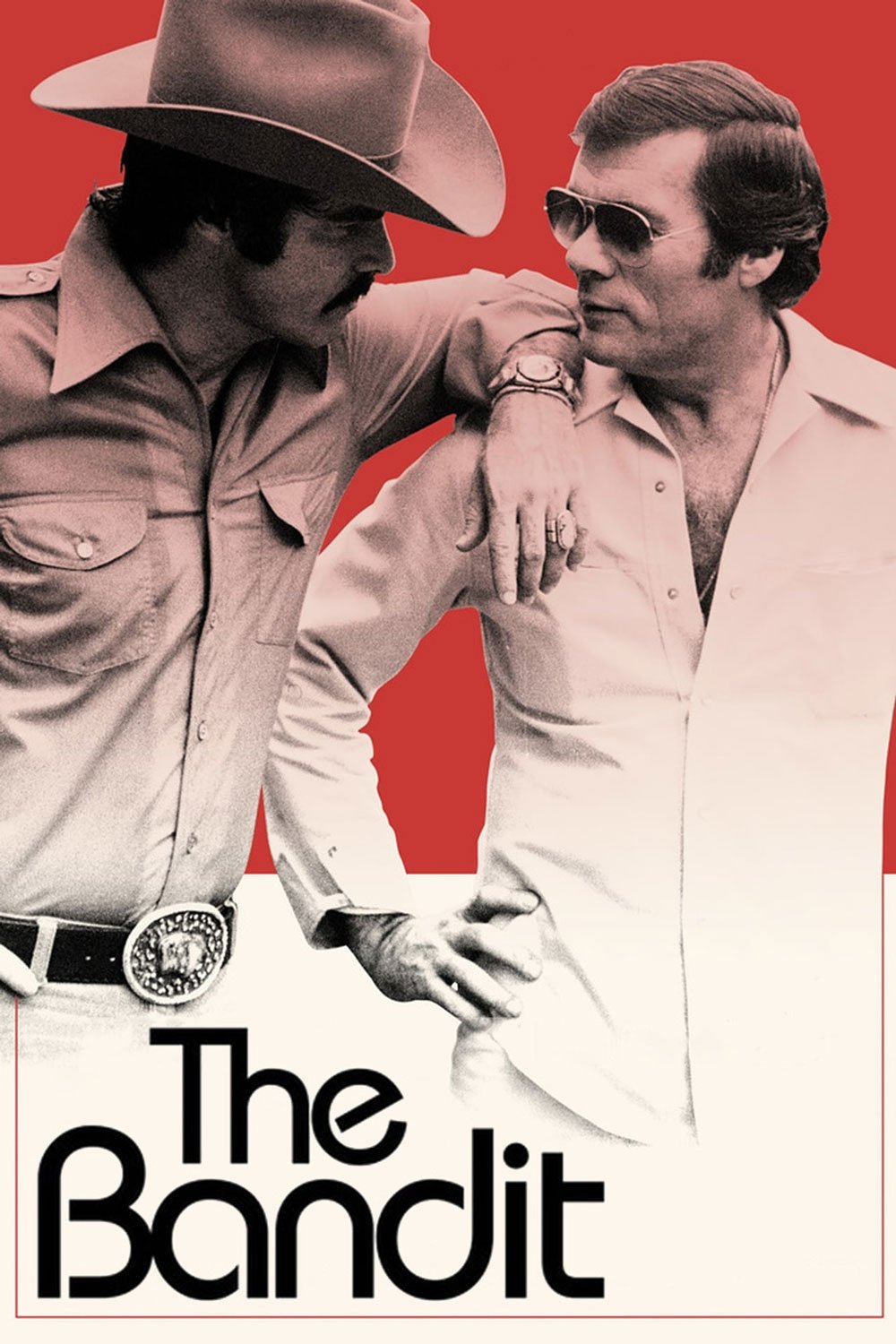
THE BANDIT is a film about 70s superstar Burt Reynolds, his best friend, roommate and stunt-double Hal Needham, and the making of their unlikely smash-hit SMOKEY & THE BANDIT. The film tells the action-packed story of the making of SMOKEY, while tracing the vivid personal journeys of Reynolds and Needham from obscurity to stardom and highlighting one of the most extraordinary relationships in Hollywood history. Featuring new interviews with Reynolds, rare archive material, including footage from Reynolds’ personal archive, as well as candid interviews with the late Hal Needham, the documentary tells an exhilarating and moving story about loyalty, friendship and creative risk.
A chronicle of the life and successful career of American actor Jeff Bridges, who for many years was a star reluctant to shine, until the hardworking and discreet actor crossed paths with a character who became a pop culture icon.
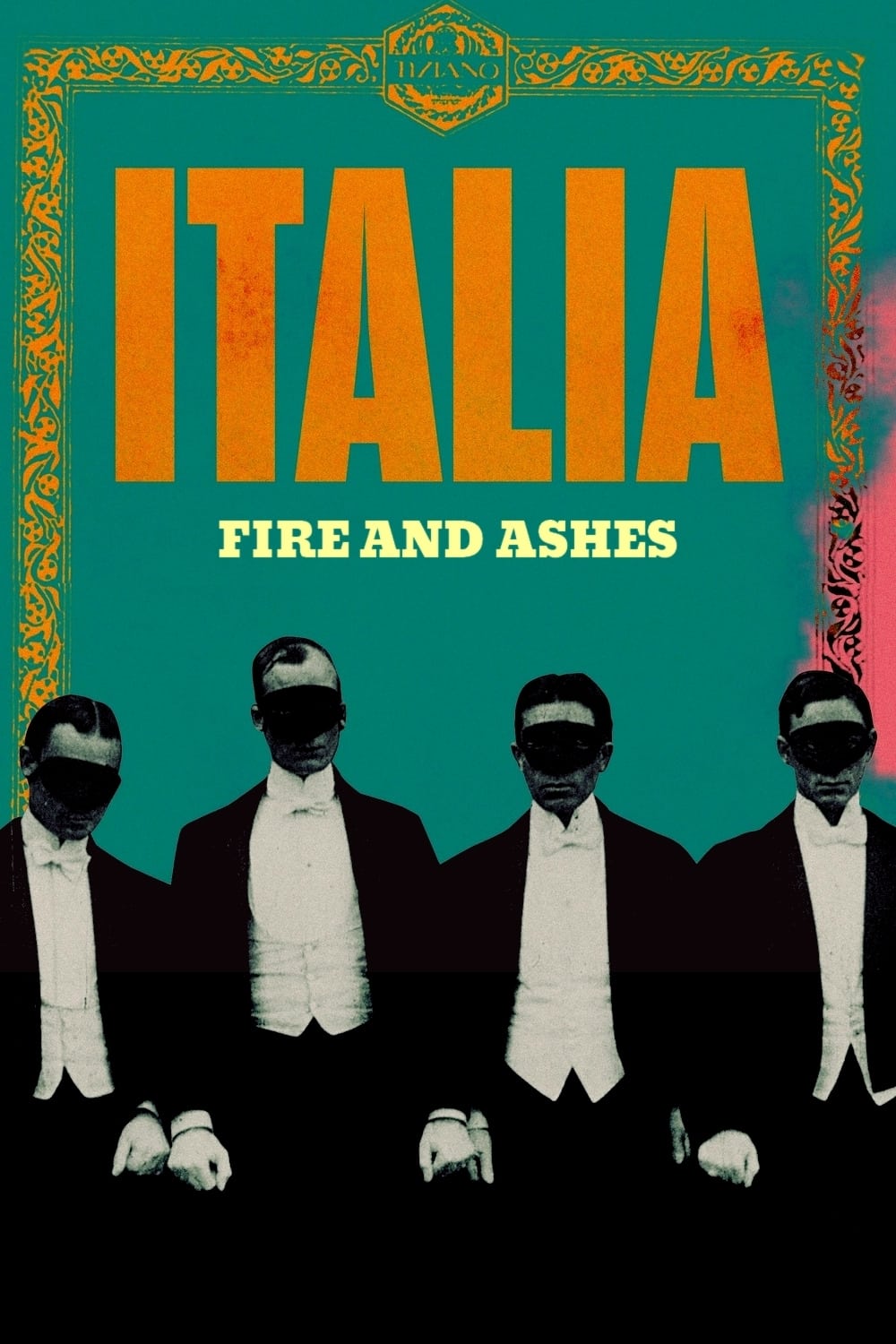
The epic and poetic tale of the early years of Italian cinema, from 1896 to 1930: how peplum was born, how the first stars shone, how many daring filmmakers were able to create an original style amalgamating literature, theater, painting and opera; a tale of splendor and decadence.
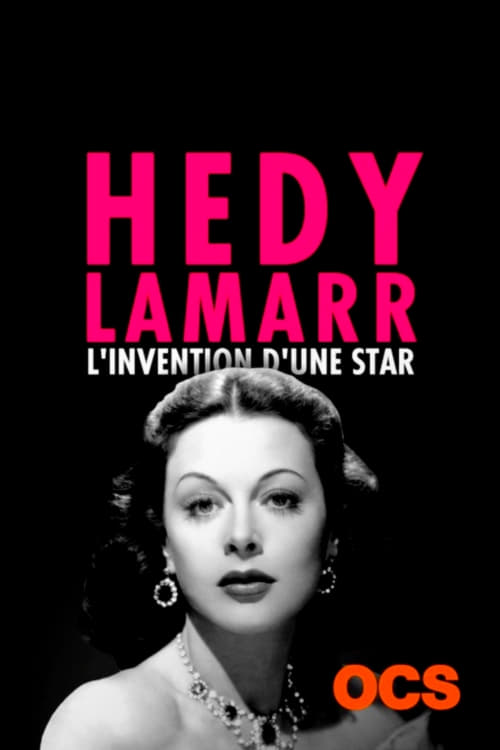
The extraordinary life of Hedy Lamarr, a successful actress and inventor of a pioneer system that is the base of technologies such as Bluetooth, GPS and wi-fi.
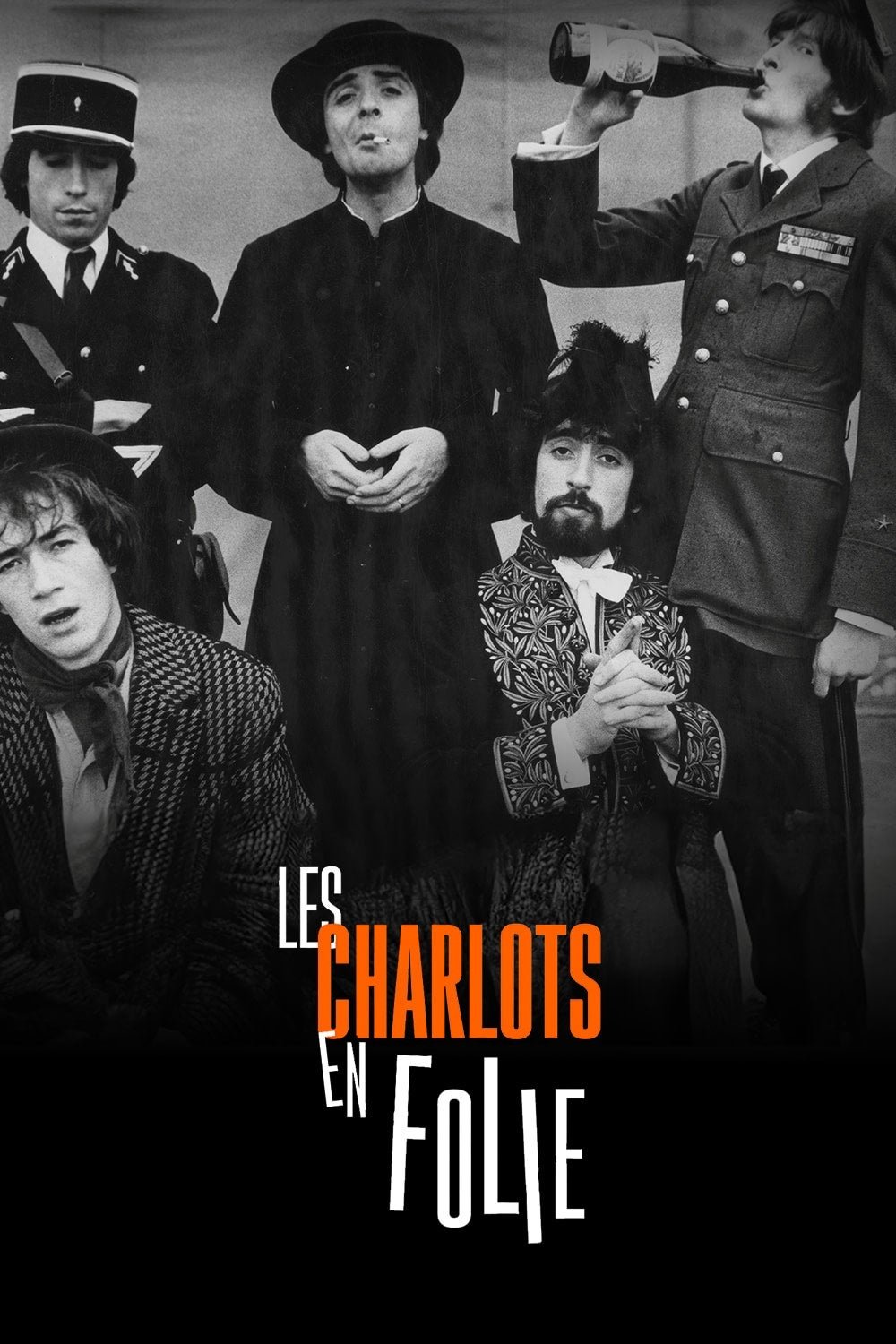
Documentary on Les Charlots, known as The Crazy Boys in the English-speaking world, a group of French musicians, singers, comedians and film actors who were popular in the 1960s, 1970s, and early 1980s.
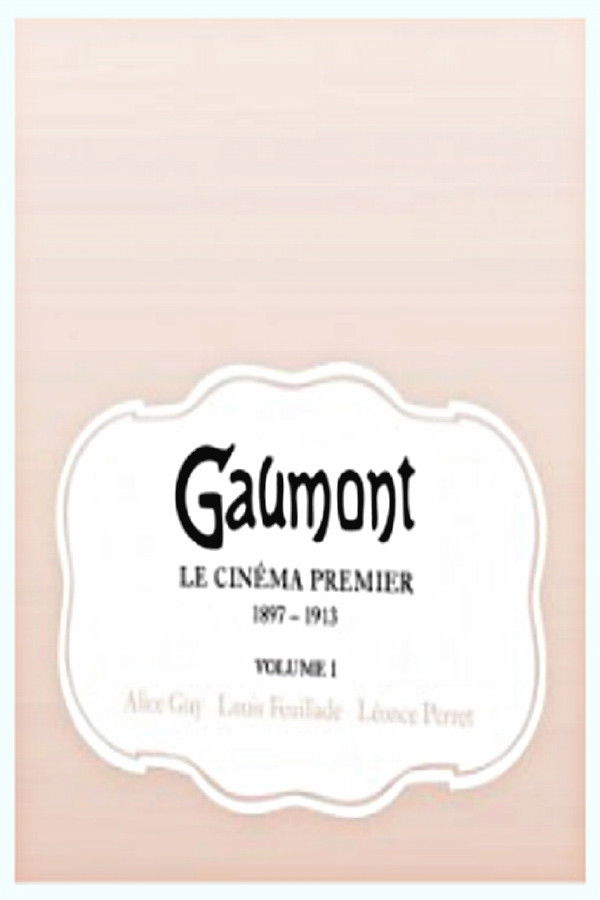
A HERITAGE FINALLY REVEALED 3 directors, around a hundred films, 17 hours of programming, numerous supplements, original music and an accompanying booklet. 7 DVD BOX Unpublished works of very different styles, which show how these first works were decisive for the history of world cinema. This first volume is devoted to three authors-directors: Alice Guy, the world's first female filmmaker. Louis Feuillade, the famous director of Fantômas, Les Vampires and Judex. Léonce Perret to whom we owe “priceless plastic discoveries and research” according to Henri Langlois.
The history of cinematic sound, told by legendary sound designers and visionary filmmakers.
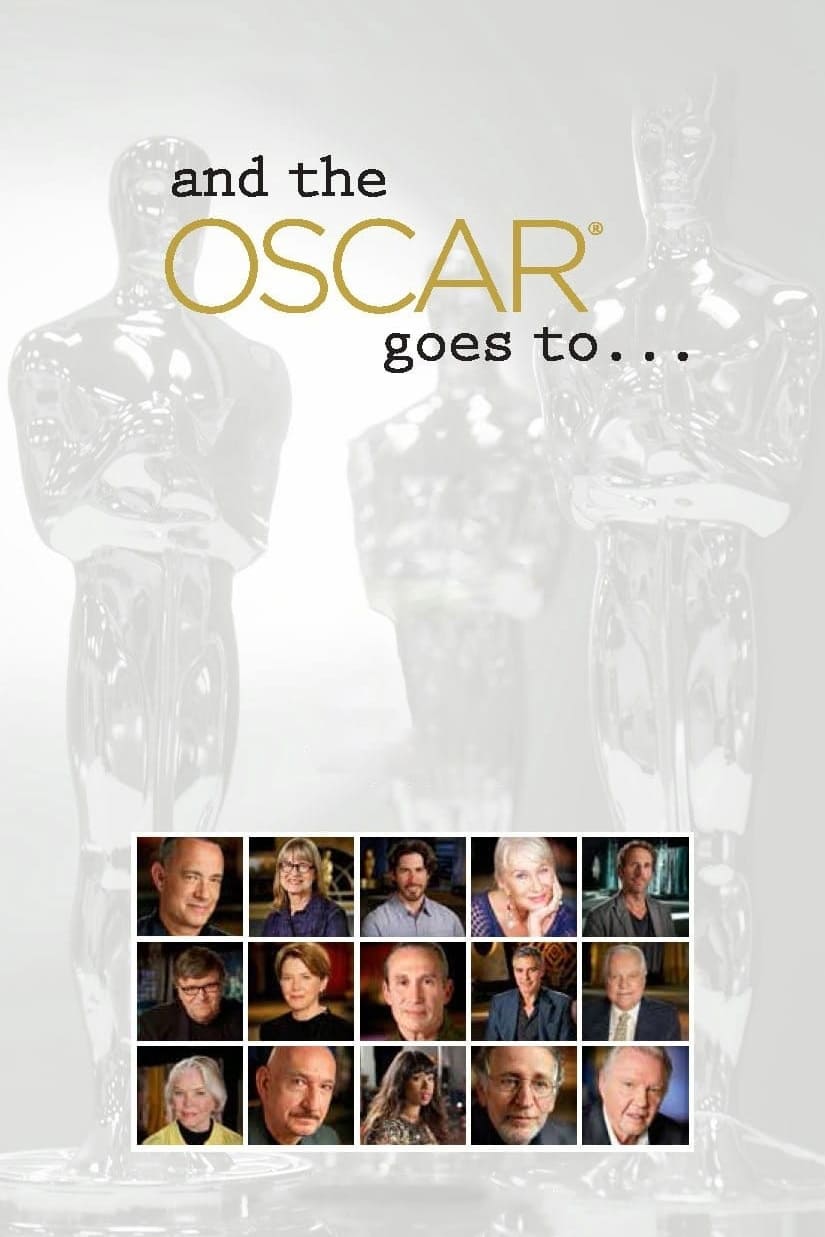
The story of the gold-plated statuette that became the film industry's most coveted prize, AND THE OSCAR GOES TO... traces the history of the Academy itself, which began in 1927 when Louis B. Mayer, then head of MGM, led other prominent members of the industry in forming this professional honorary organization. Two years later the Academy began bestowing awards, which were nicknamed "Oscar," and quickly came to represent the pinnacle of cinematic achievement.
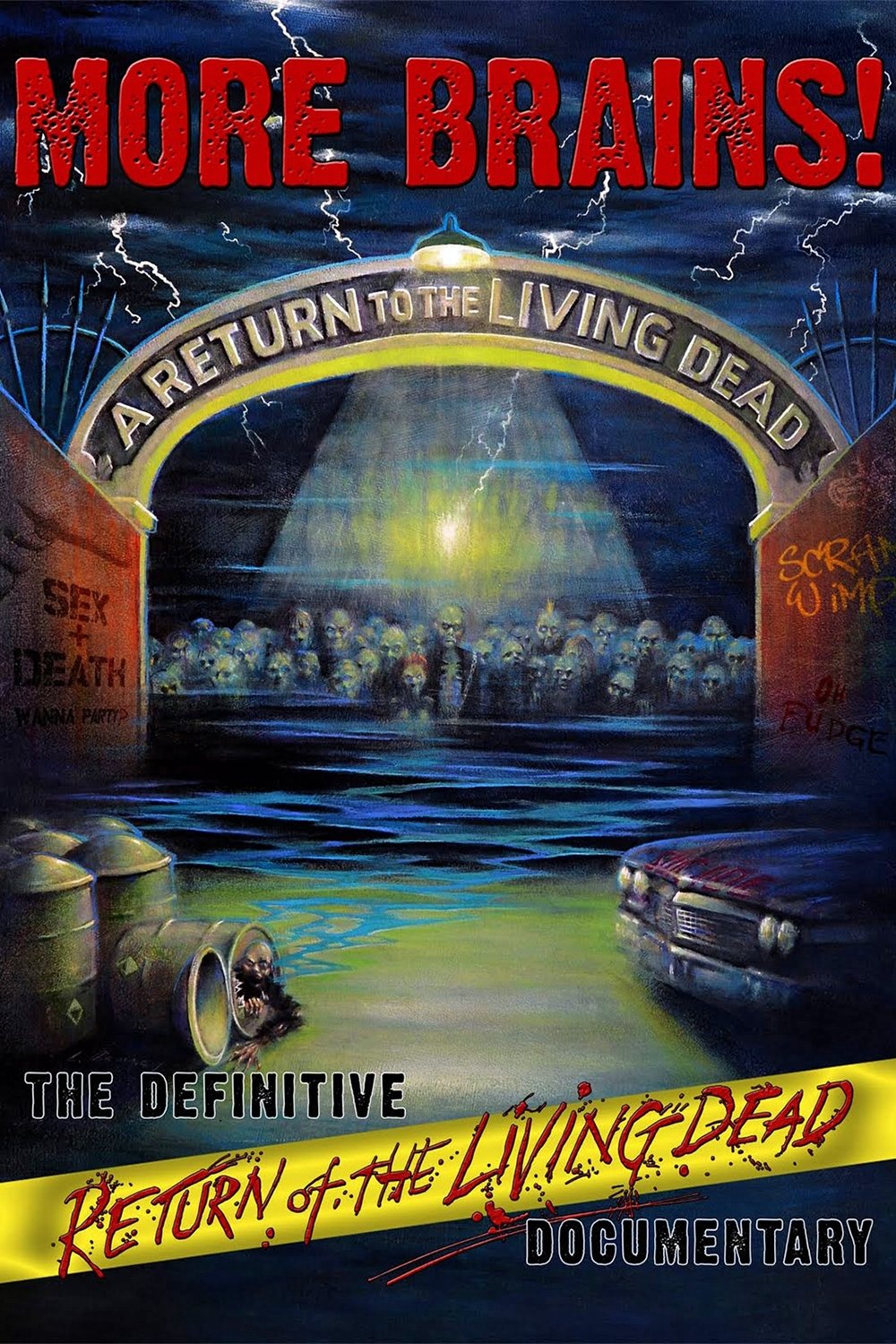
Retrospective documentary about the making of the horror cult classic "The Return of the Living Dead."
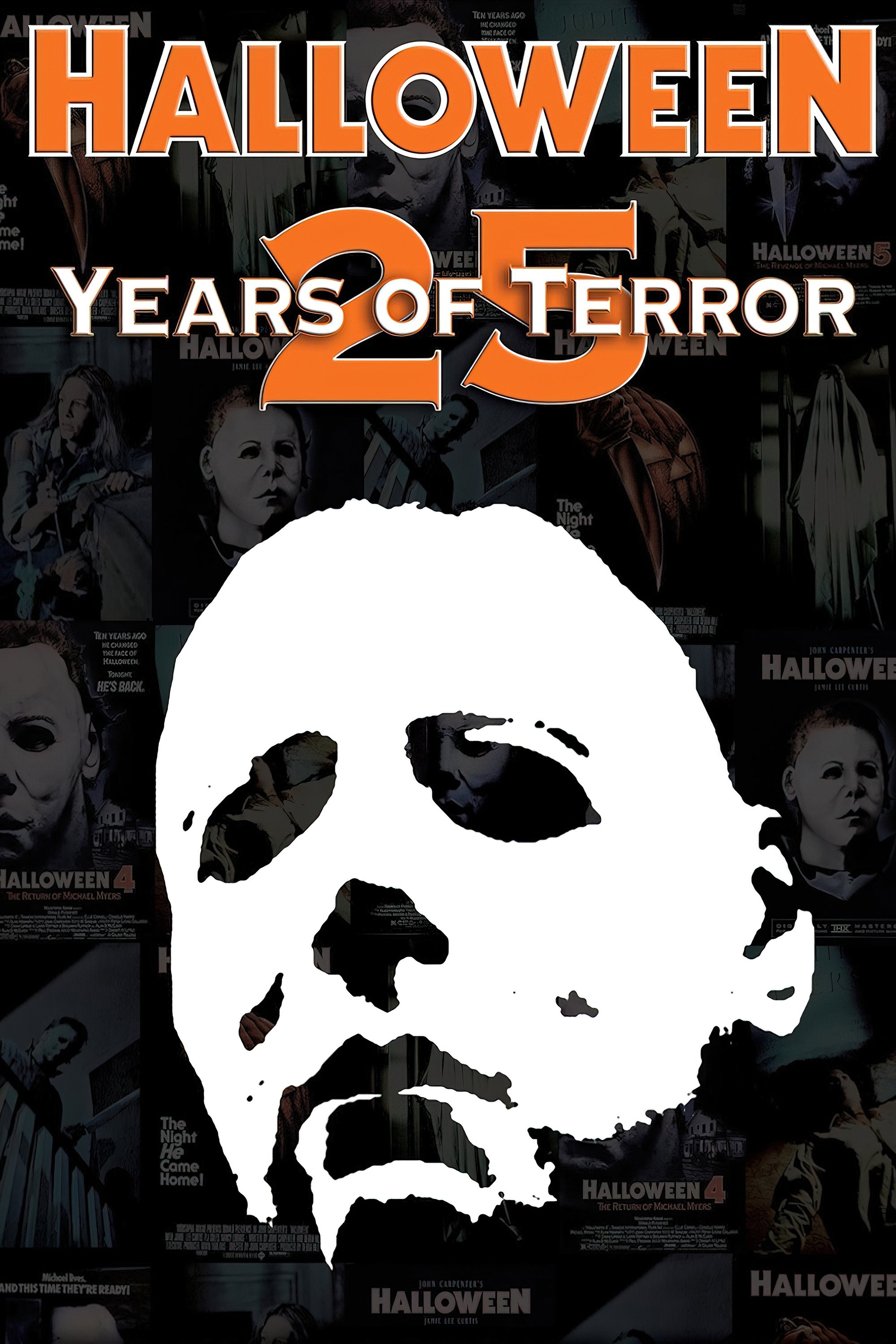
Follow the evolution of the 'Halloween' movies over the past twenty-five years. It examines why the films are so popular and revisits many of the original locations used in the films - seeing the effects on the local community. For the first time, cast, crew, critics and fans join together in the ultimate 'Halloween' retrospective.
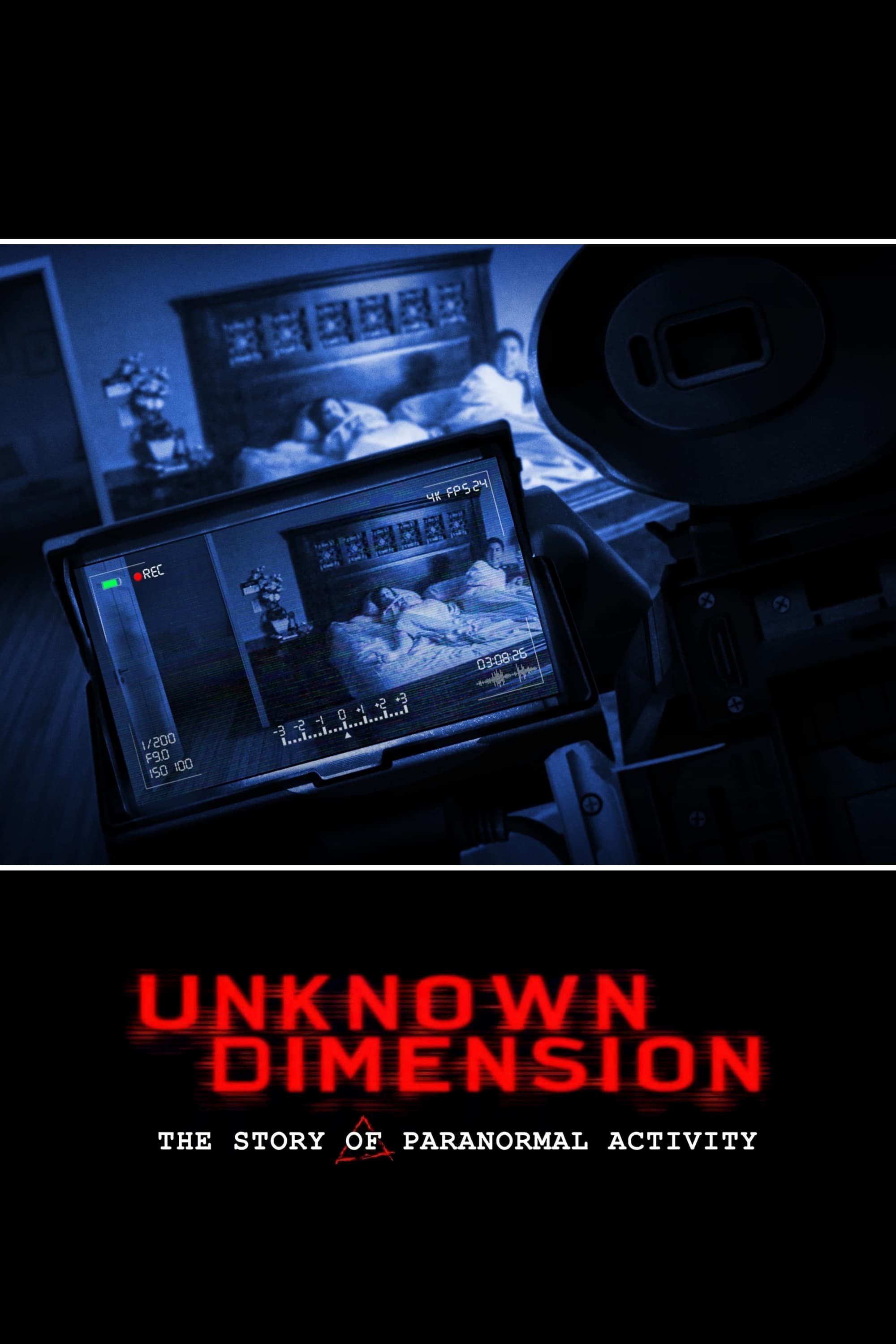
A deep dive into the making of the Paranormal Activity films with first time ever interviews with cast and crew, never-before-seen footage from the movies, and a preview of the seventh installment in the franchise.
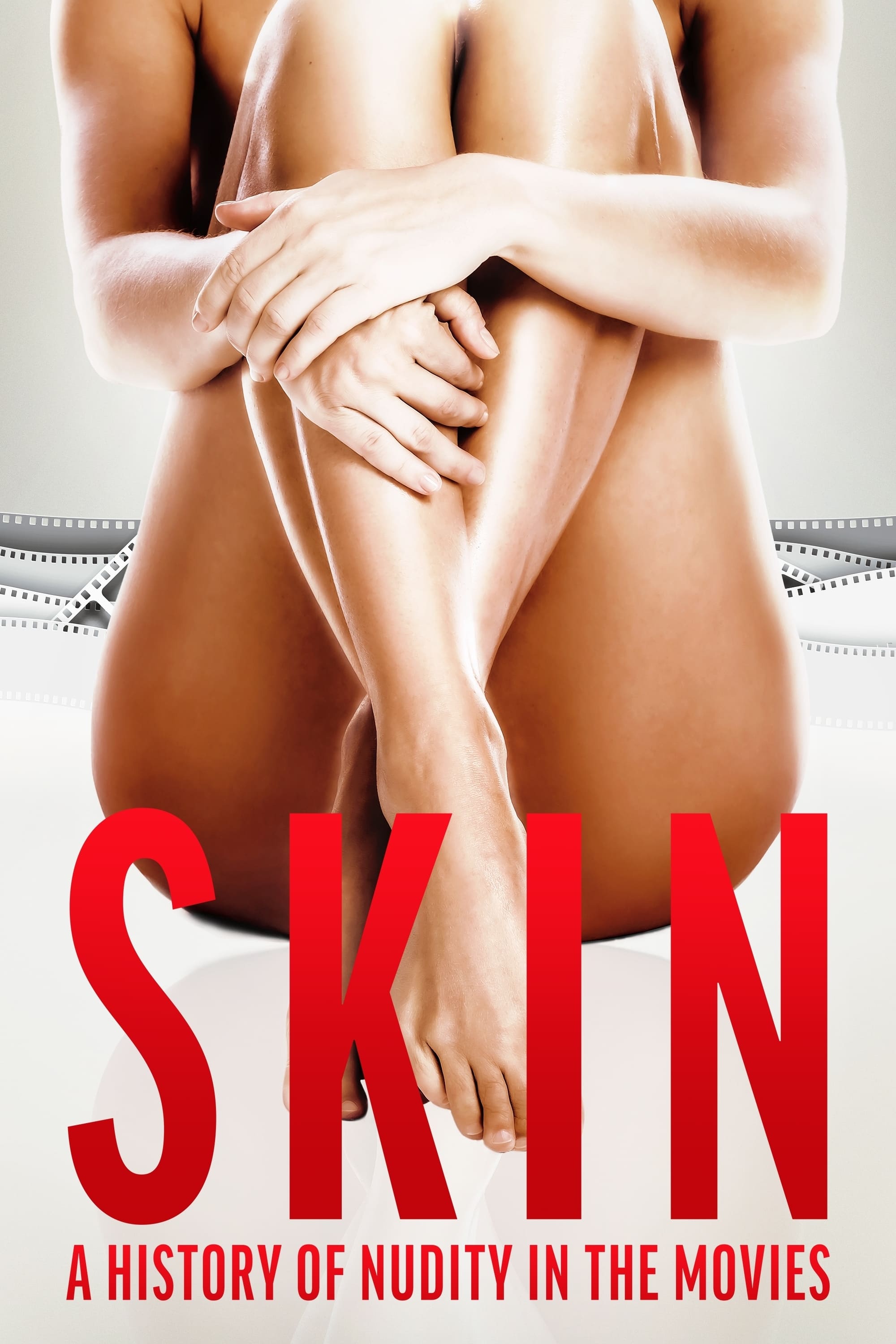
The definitive documentary on the history of nudity in feature films from the early silent days to the present, studying the changes in morality that led to the use of nudity in films while emphasizing the political, sociological and artistic changes that shaped that history. Skin will also study the gender inequality in presenting nude images in motion pictures and will follow the revolution that has created nude gender equality in feature films today.
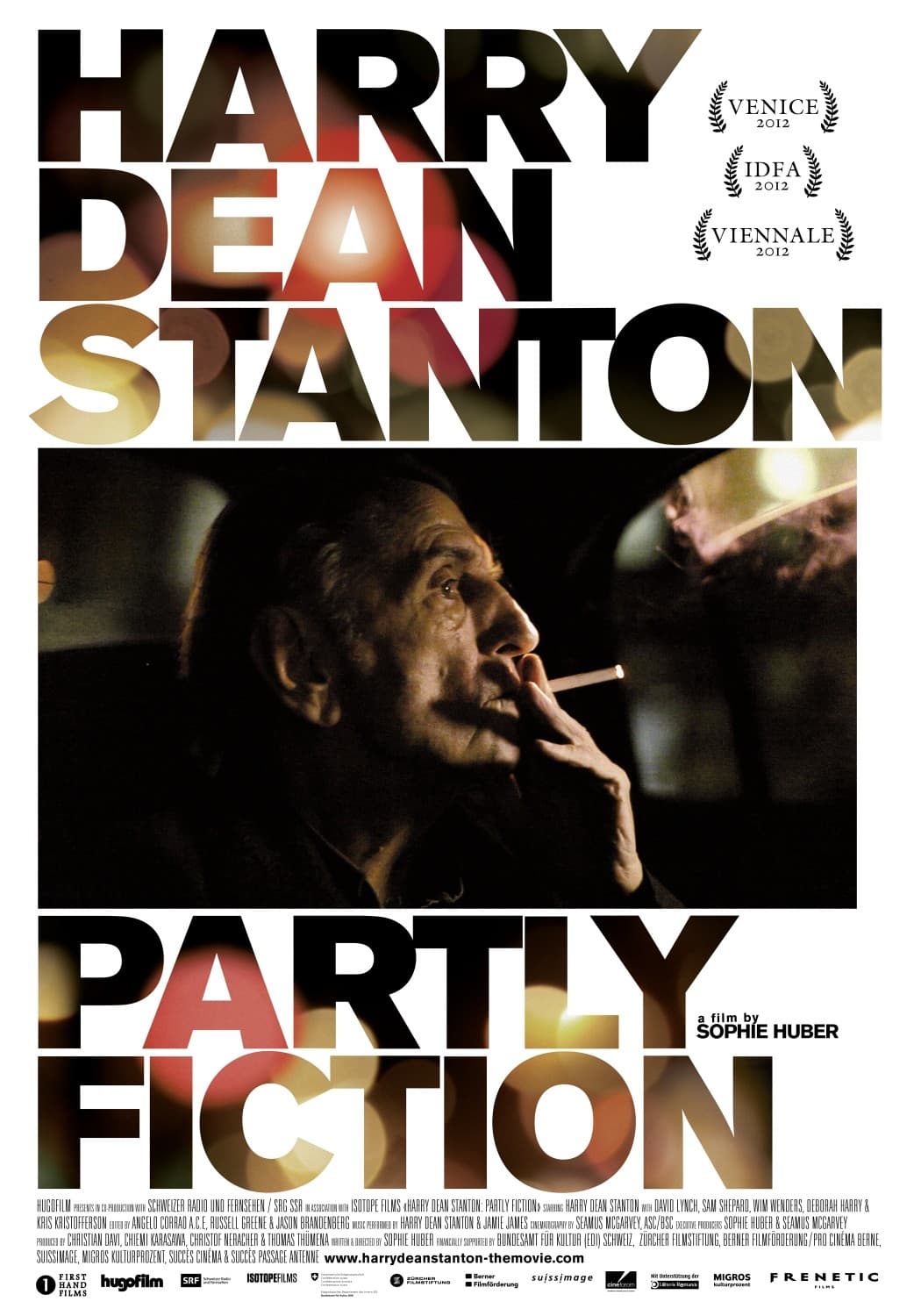
An impressionistic portrait of the iconic actor Harry Dean Stanton comprised of intimate moments, film clips from some of his 250 films and his renditions of American folk songs.
Daniel Craig candidly reflects on his 15 year adventure as James Bond. Including never-before-seen archival footage from Casino Royale to the upcoming 25th film No Time To Die, Craig shares his personal memories in conversation with 007 producers, Michael G Wilson and Barbara Broccoli.
The life and career of an actor, artist, and icon. His own journey through his own camera.
Musician and performance artist Laurie Anderson reflects on the deaths of her husband Lou Reed, her mother and her beloved dog.
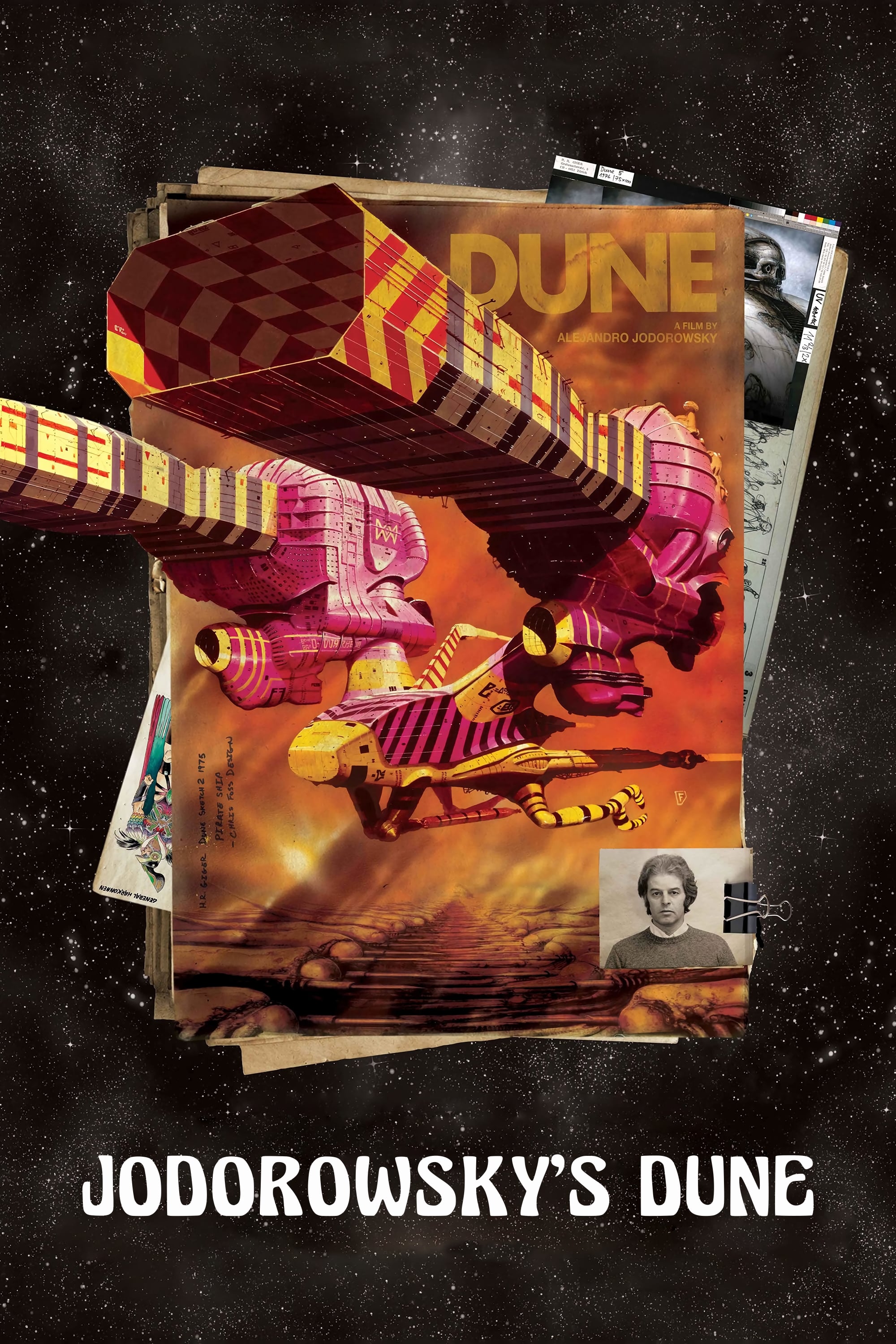
In 1974, Chilean-French director Alejandro Jodorowsky embarked on the quixotic project of adapting Frank Herbert's influential novel Dune (1969) for the big screen. After investing two years, and millions of dollars, the gigantic project ended in failure; but the artists Jodorowsky brought together to carry it out continued to work together, and ended up laying the foundations for modern science fiction cinema.
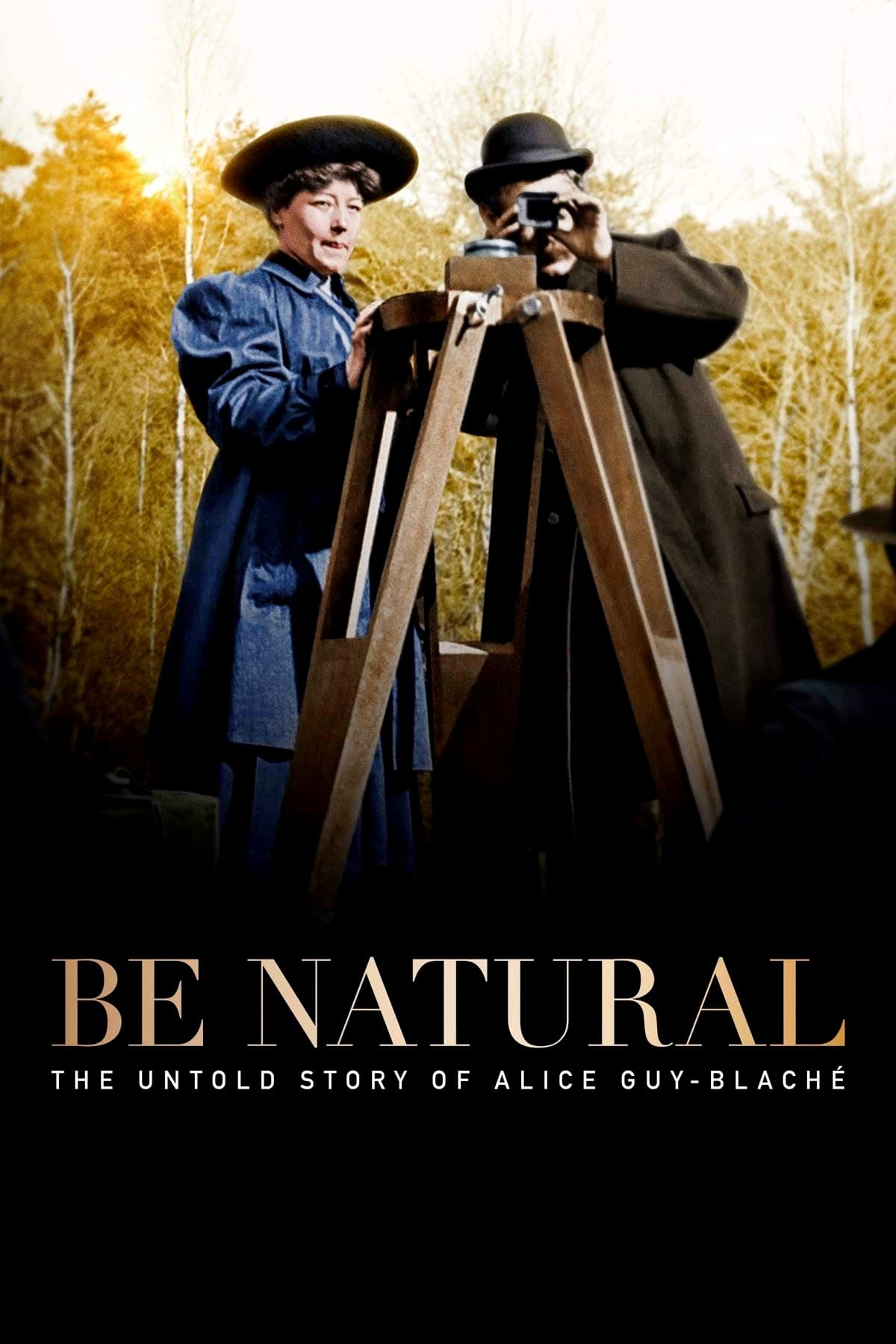
The epic life story of Alice Guy-Blaché (1873–1968), a French screenwriter, director and producer, true pioneer of cinema, the first person who made a narrative fiction film; author of hundreds of movies, but banished from history books. Ignored and forgotten. At last remembered.
A feature length documentary about the all-women team at the helm of Pixar's original feature, Turning Red. With unprecedented behind-the-scenes access to Director Domee Shi and her core leadership crew, this story shines a light on the powerful professional and personal journeys that brought this incredibly comical, utterly relatable, and deeply heartfelt story to the screen.
Robert Altman's life and career contained multitudes. This father of American independent cinema left an indelible mark, not merely on the evolution of his art form, but also on the western zeitgeist. With its use of rare interviews, representative film clips, archival images, and musings from his family and most recognizable collaborators, Altman is a dynamic and heartfelt mediation on an artist whose expression, passion and appetite knew few bounds.
Go behind the scenes with stars, puppeteers and creators as they bring Jim Henson's magical world of Thra back to life in a sweeping fantasy series.
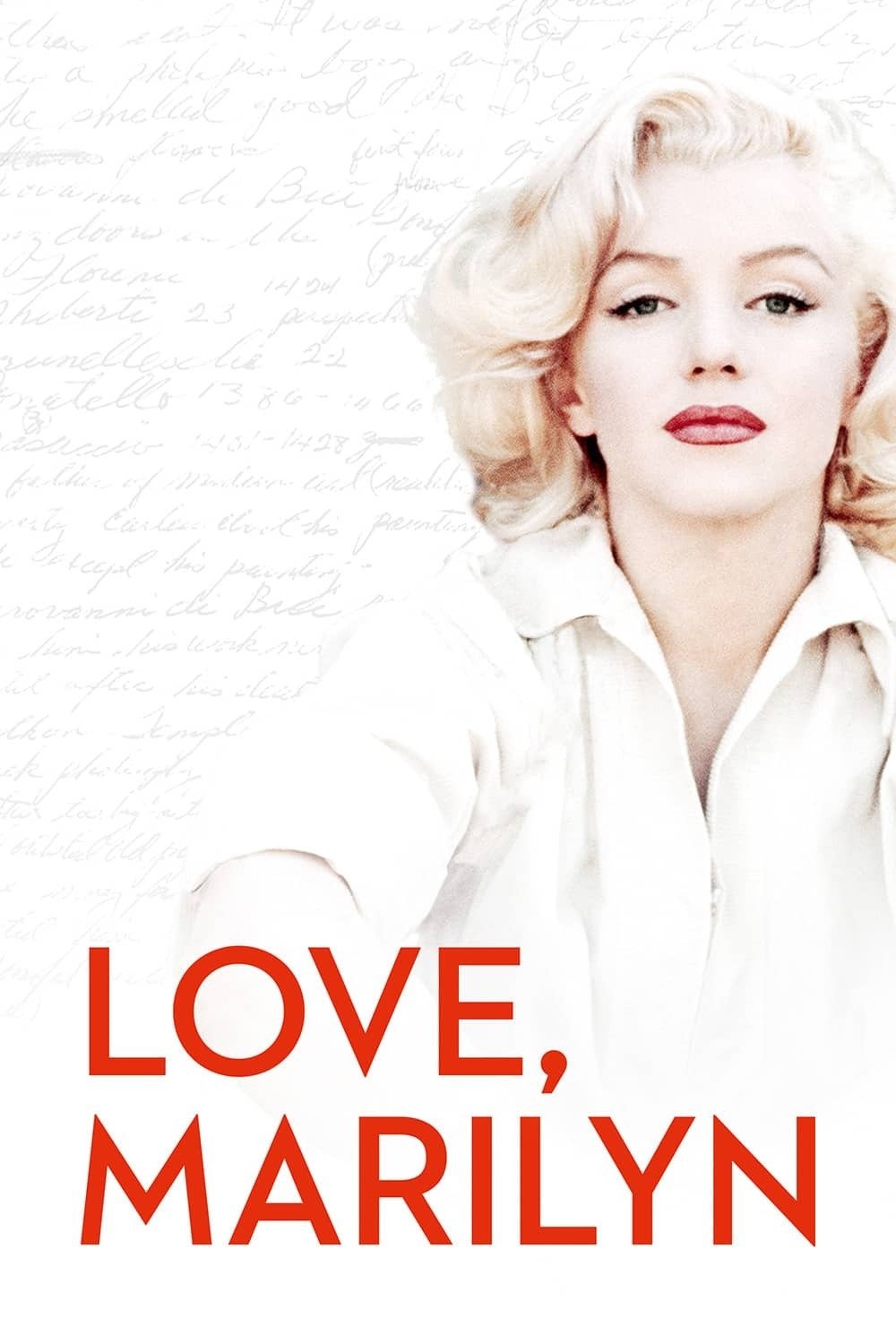
Using the book 'Fragments', which collects Marilyn Monroe's poems, notes and letters, and with participation from the Arthur Miller and Truman Capote estates who have contributed more material, each of the actresses will embody the legend at various stages in her life.
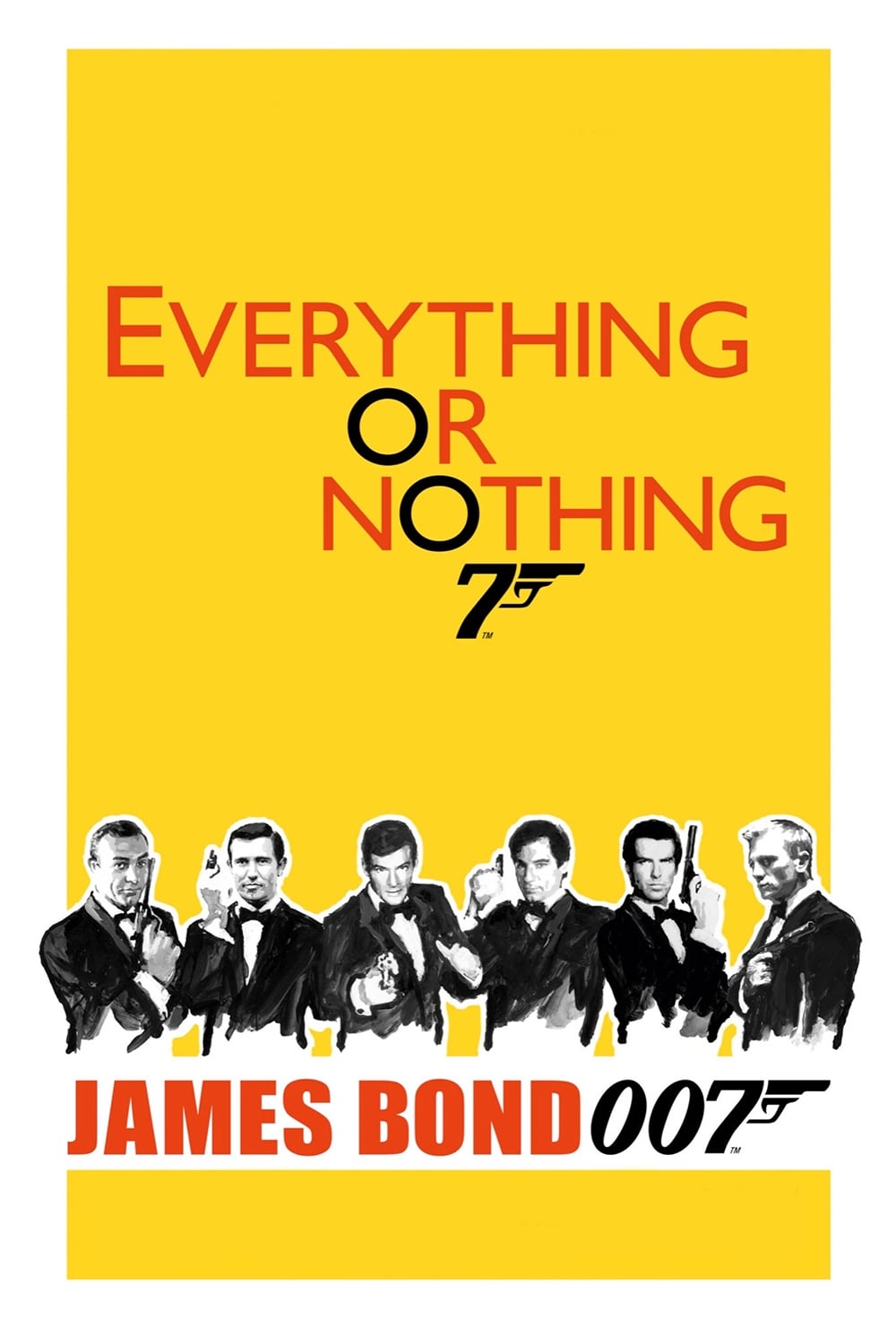
The story of three men with a shared dream: James Bond franchise producers Albert R. Broccoli and Harry Saltzman, and Bond creator and author Ian Fleming. It’s the thrilling and inspiring narrative behind the longest running film franchise in cinema history, which began in 1962.
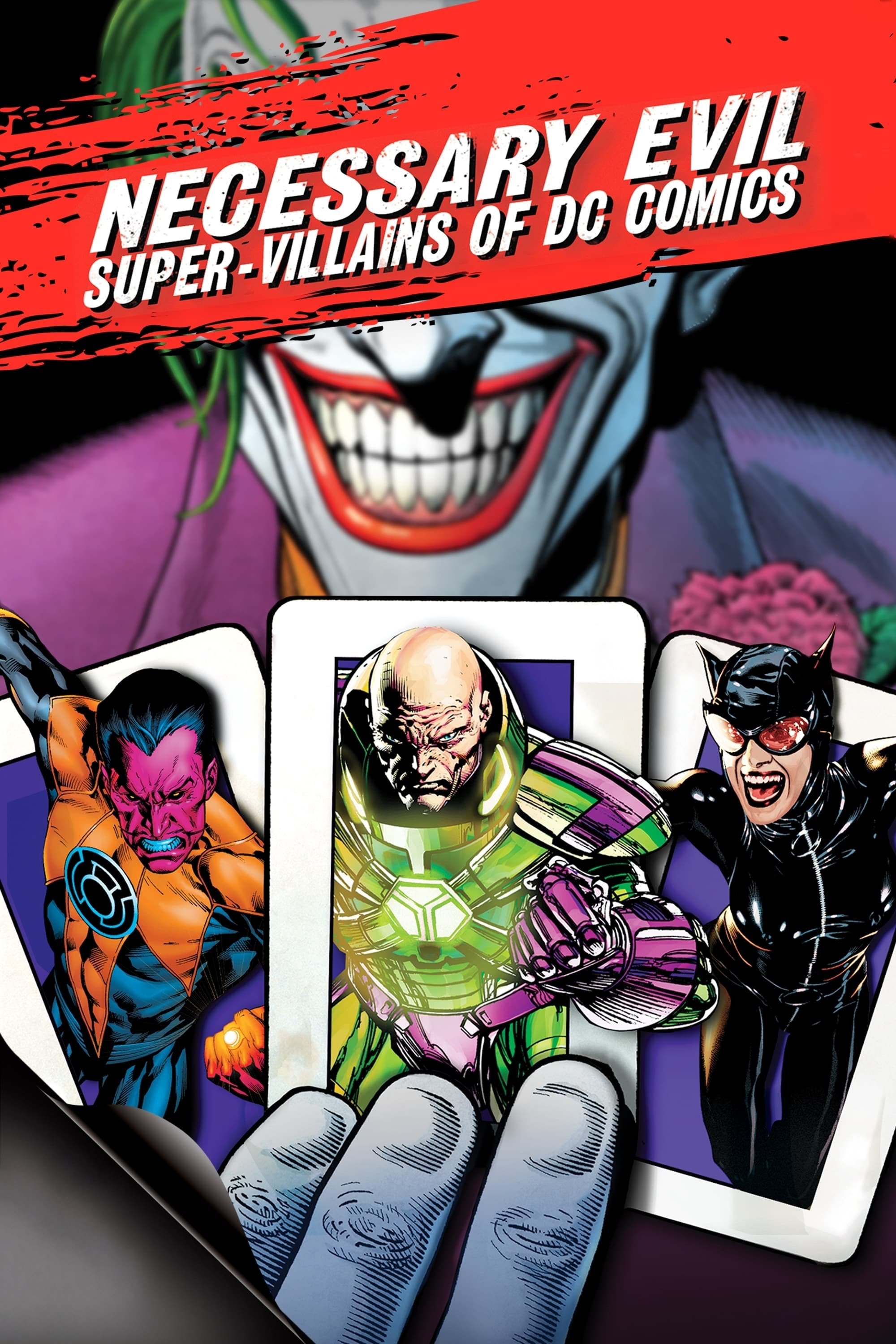
A documentary detailing the epic Rogues' Gallery of DC Comics from The Joker and Lex Luthor, Sinestro, Darkseid and more, this documentary will explore the Super Villains of DC Comics.
Filmmaker Lawrence Shapiro discusses voice-over acting with the talented people behind the characters.
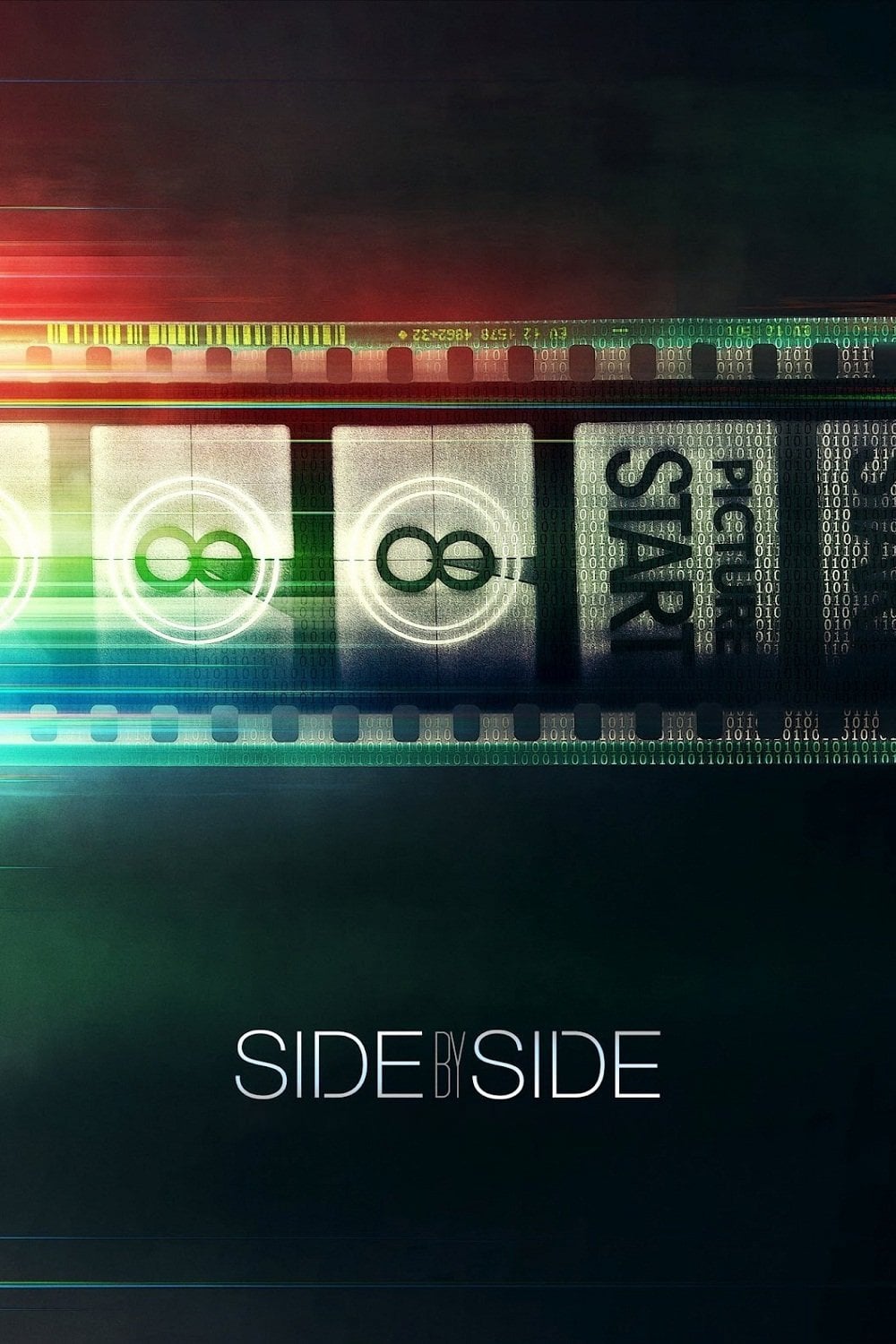
Since the invention of cinema, the standard format for recording moving images has been film. Over the past two decades, a new form of digital filmmaking has emerged, creating a groundbreaking evolution in the medium. Keanu Reeves explores the development of cinema and the impact of digital filmmaking via in-depth interviews with Hollywood masters, such as James Cameron, David Fincher, David Lynch, Christopher Nolan, Martin Scorsese, George Lucas, Steven Soderbergh, and many more.