Social & External
The people behind it
A renewed and truthful vision of how Spanish America was born and prospered, an epic story developed over more than three hundred years, that of those who bequeathed to humanity an immense architectural, sculptural, pictorial, literary and musical heritage.
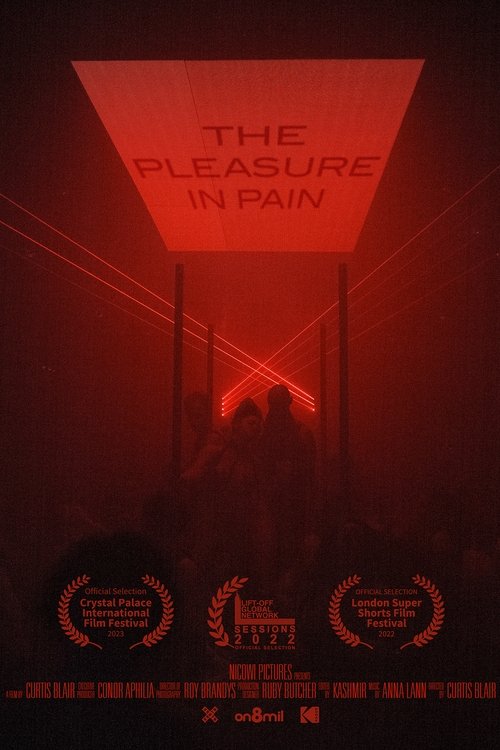
A short film that follows key figures of the London kink scene on an exploration into BDSM and the notorious fetish event Klub Verboten. The film touches upon themes of psychology, trauma, LGBTQ+ rights and black representation.
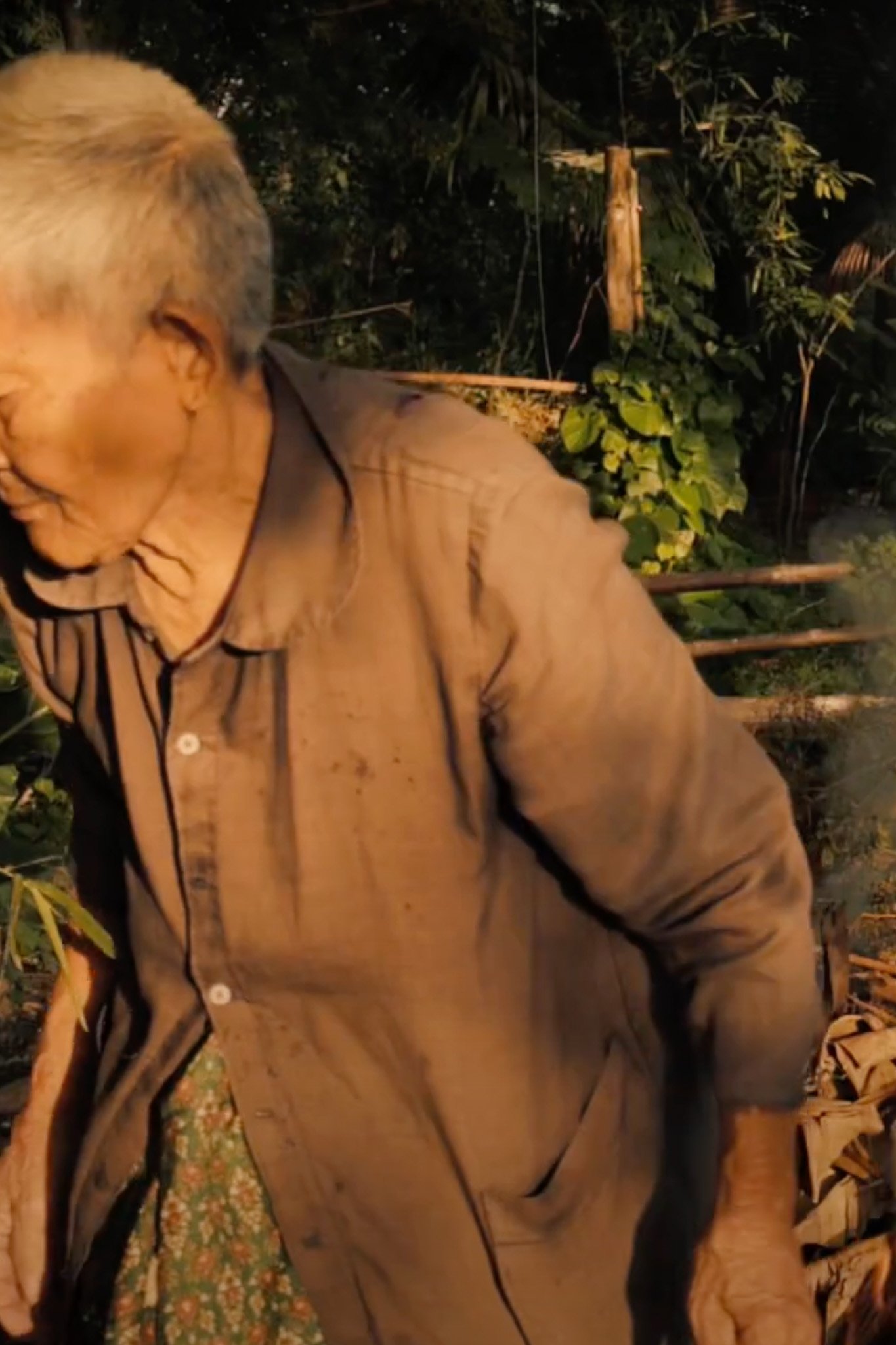
Grandma Kham, an 87 year-old-woman, lives lone and is still strong enough to burn charcoal and weed out grass. But what does she have to go through along the way? And how will she prepare for her own final moment?
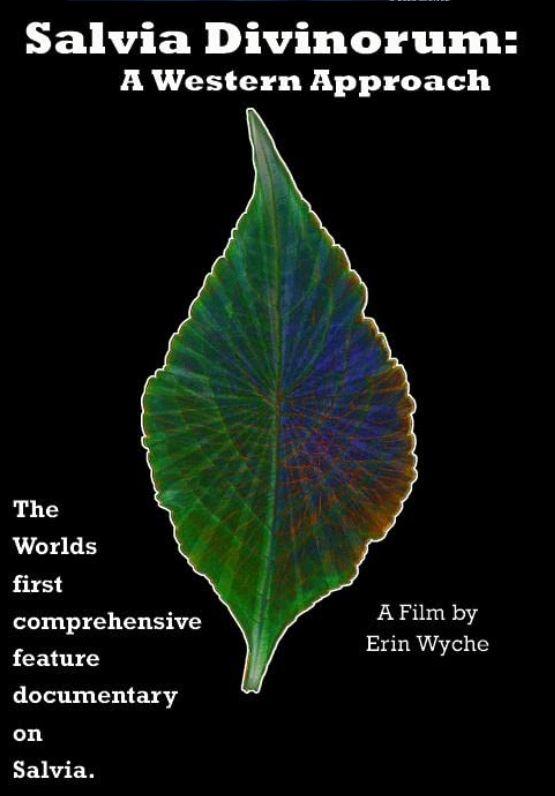
Salvia Divinorum is an often misunderstood and powerful psychedelic plant used by the Mazatec shamans in southern Mexico for centuries. This entheogen's mysteries are thoroughly explored, by Director Erin Wyche, from an American view point.
Documentary dialogue with young women in Algiers on their experience of independence shortly after their country's independence.
Berlin is changing. The film maker interviewed and accompanied real estate agents and investors and filmed tenants struggling to cope with the situation.
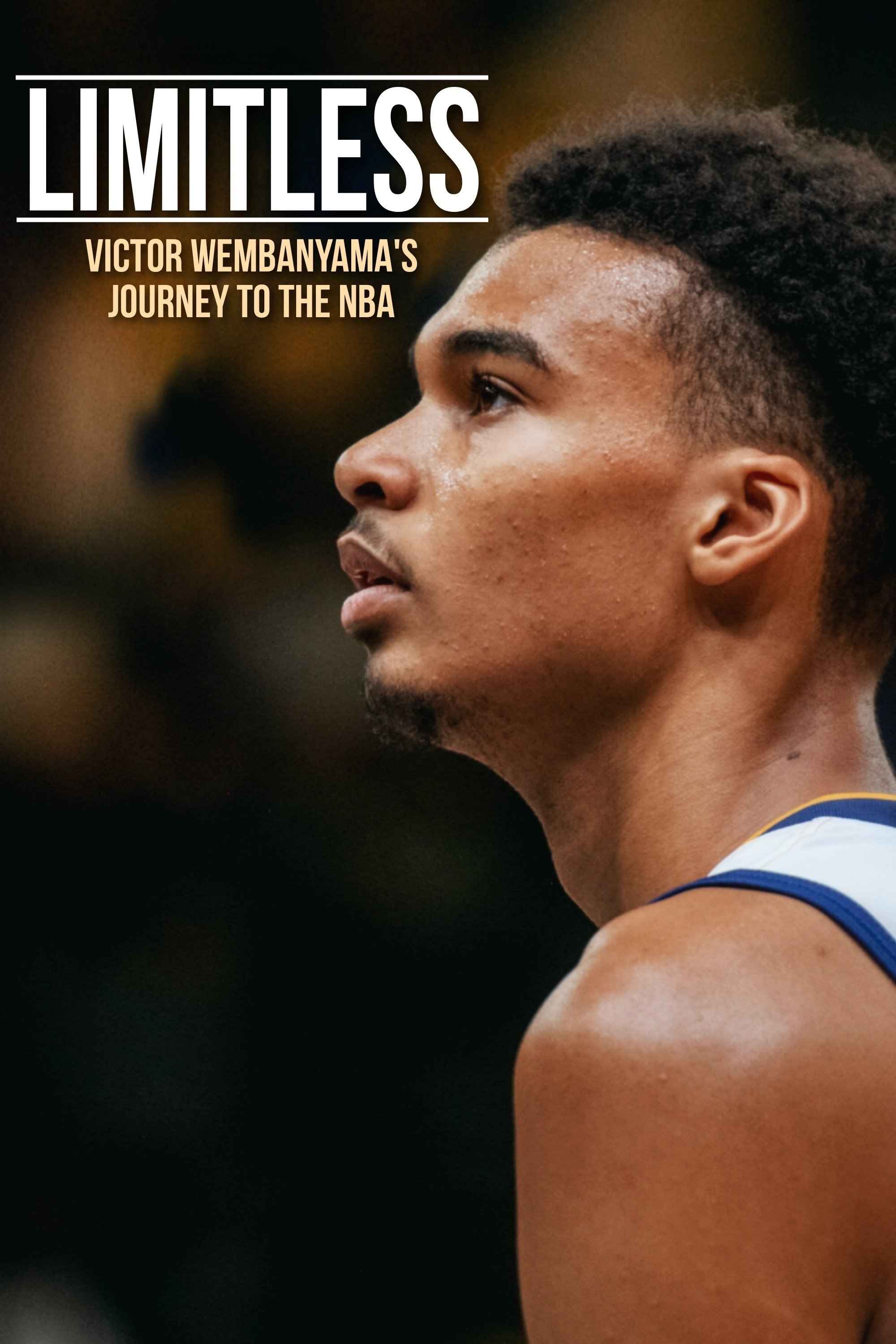
"LIMITLESS", is an original documentary about 7'5 French basketball star Victor Wembanyama and his journey to becoming the projected #1 overall pick in the 2023 NBA Draft.
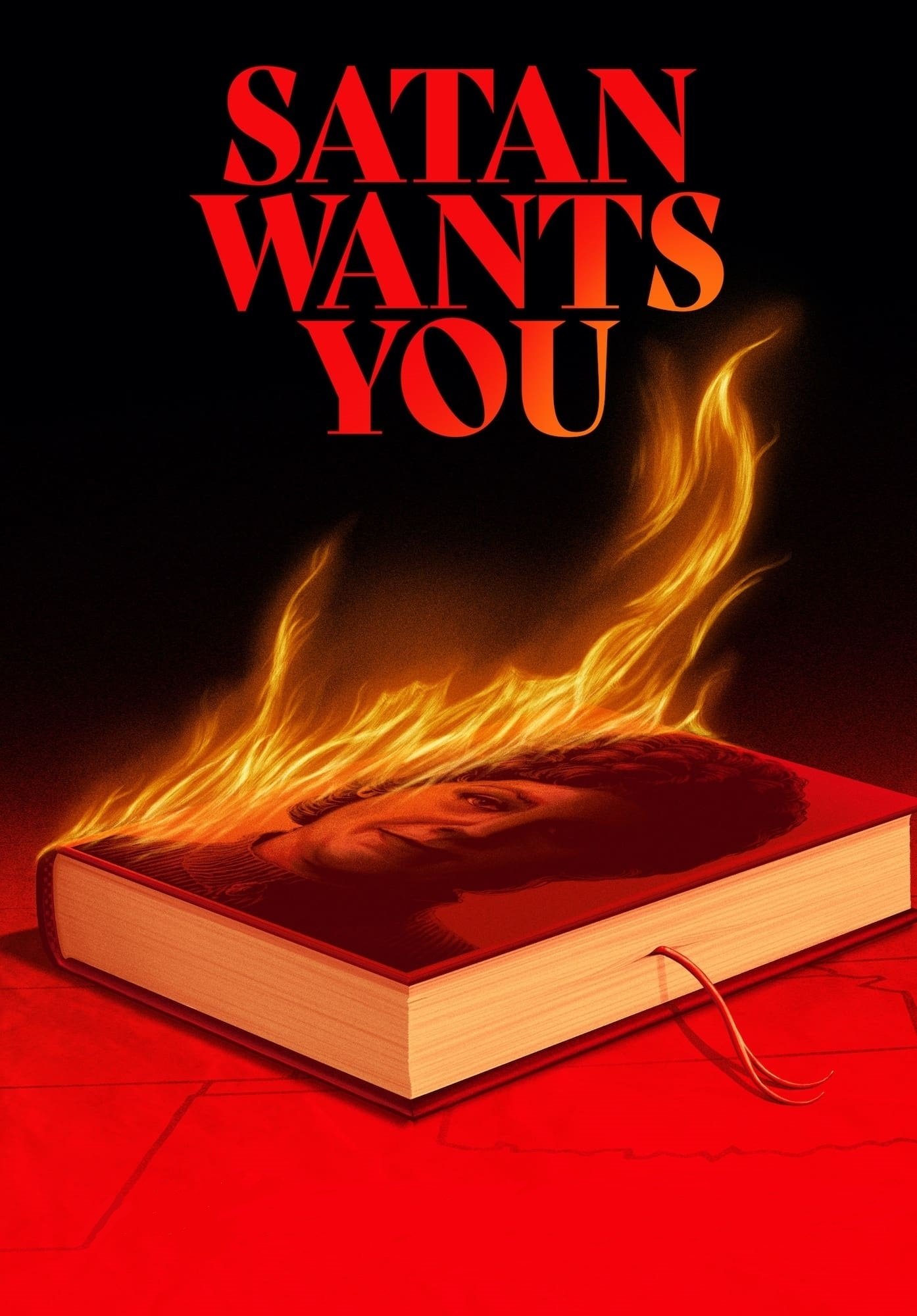
The story of how the Satanic Panic of the 1980s was ignited by "Michelle Remembers", a memoir by psychiatrist and his patient. The book relied on recovered-memory therapy to uncover Michelle's abduction by baby-stealing Satanists.
Jimmy Mullen discusses a podcast project that he created to deal with the realities of the COVID-19 pandemic and addiction.
The origin story of America's first horror theme park and the thrilling journey of its founder. David Bertolino began as a salesman in a Boston joke shop and moved into Halloween products and costuming before becoming a “Hauntrepreneur” and launching the iconic SpookyWorld.
On a small island in the middle of the Irish sea, a giant derelict pier juts out into the rough sea. Closed for decades, now the town is getting a new lease of life thanks to a defiant elderly population building something for the next generation.
A unique documentary following WWE Superstar John Cena in and out of the ring, including his intense preparation for WrestleMania.
Without Bounds to Beat is an experimental documentary that recounts a town’s revival of an ancient folk tradition, placing it in contrast to today’s digital technologies.
This film is a portrait of hypnotist and artist, Marcos Lutyens. It examines the idea of incorporating hypnotism into art through the filmmaker participating in a hypnotic induction.
Territorios extraordinarios is a documentary that delves into the heart of Northern Neuquén. Crossing the peaks and valleys of the imposing Cordillera del Viento, we will get to know some of its ancient settlers, breeders and gold prospectors. Marcelina Aguilera, Ananías Retamal, Felipe Méndez and Conradino Contreras will accompany us on an exploratory journey where, in their stories and experiences, we will see reflected some of the landmarks, myths and rites of these lands.
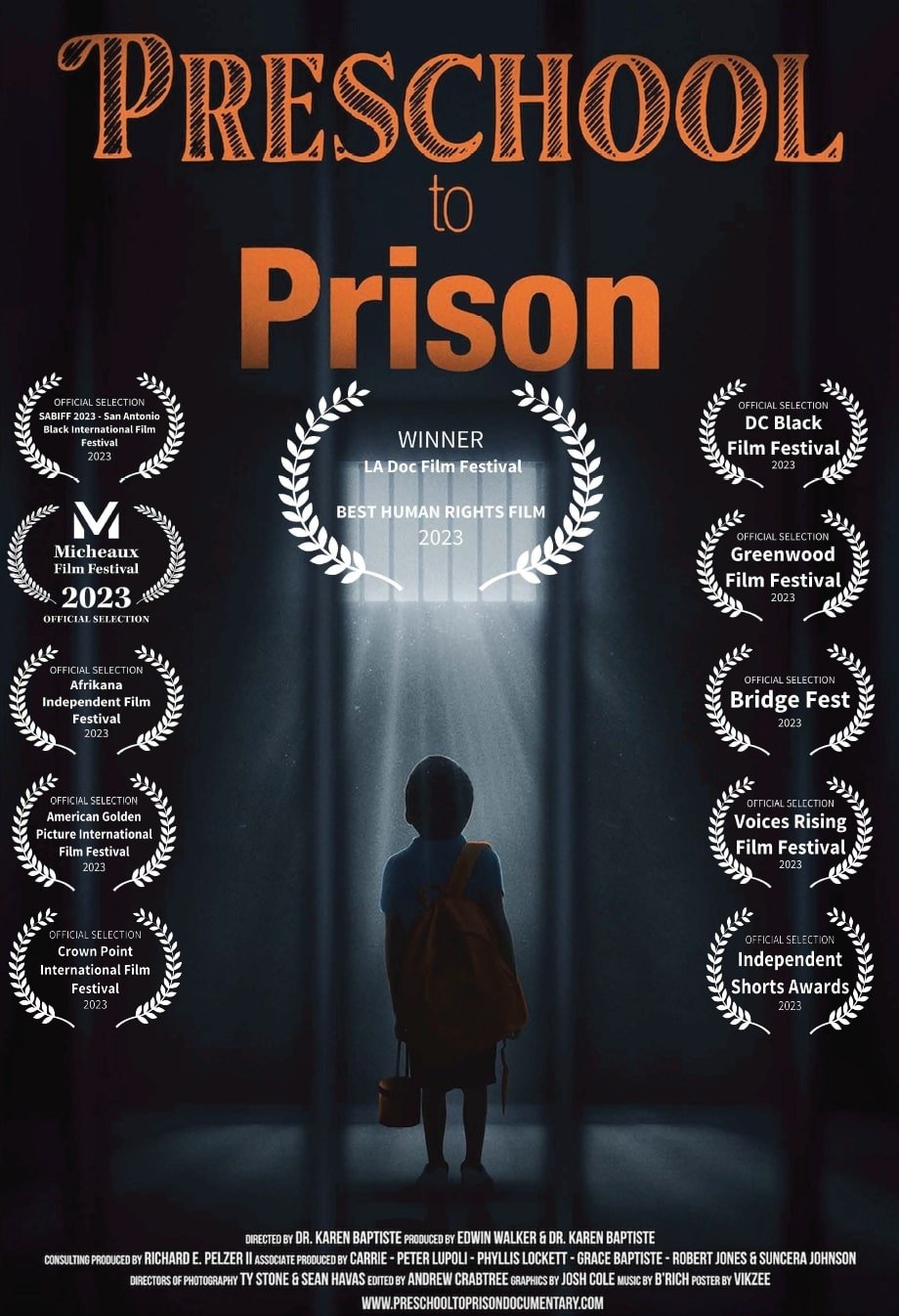
Preschool to Prison is a compelling examination of how the United States public school system is built and operated like prisons. Zero-tolerance policies are used to justify suspension and arrests that set up a pathway to send children of color and children with special needs from school to prison. Children are being suspended, restrained, dragged, physically manhandled, and subsequently arrested for minor offenses such as throwing candy on a school bus. These personal accounts from people affected by the school-to-prison pipeline give riveting tales about the generational impact on society.
Alexander McQueen's rags-to-riches story is a modern-day fairy tale, laced with the gothic. Mirroring the savage beauty, boldness and vivacity of his design, this documentary is an intimate revelation of McQueen's own world, both tortured and inspired, which celebrates a radical and mesmerizing genius of profound influence.
A visual montage portrait of our contemporary world dominated by globalized technology and violence.
In an intimate and joyful story of love in the face of loss, celebrated poets Andrea Gibson and Megan Falley find strength—and unexpected hilarity—in what might be their final year together.
A documentary on the expletive's origin, why it offends some people so deeply, and what can be gained from its use.
A woman narrates the thoughts of a world traveler, meditations on time and memory expressed in words and images from places as far-flung as Japan, Guinea-Bissau, Iceland, and San Francisco.
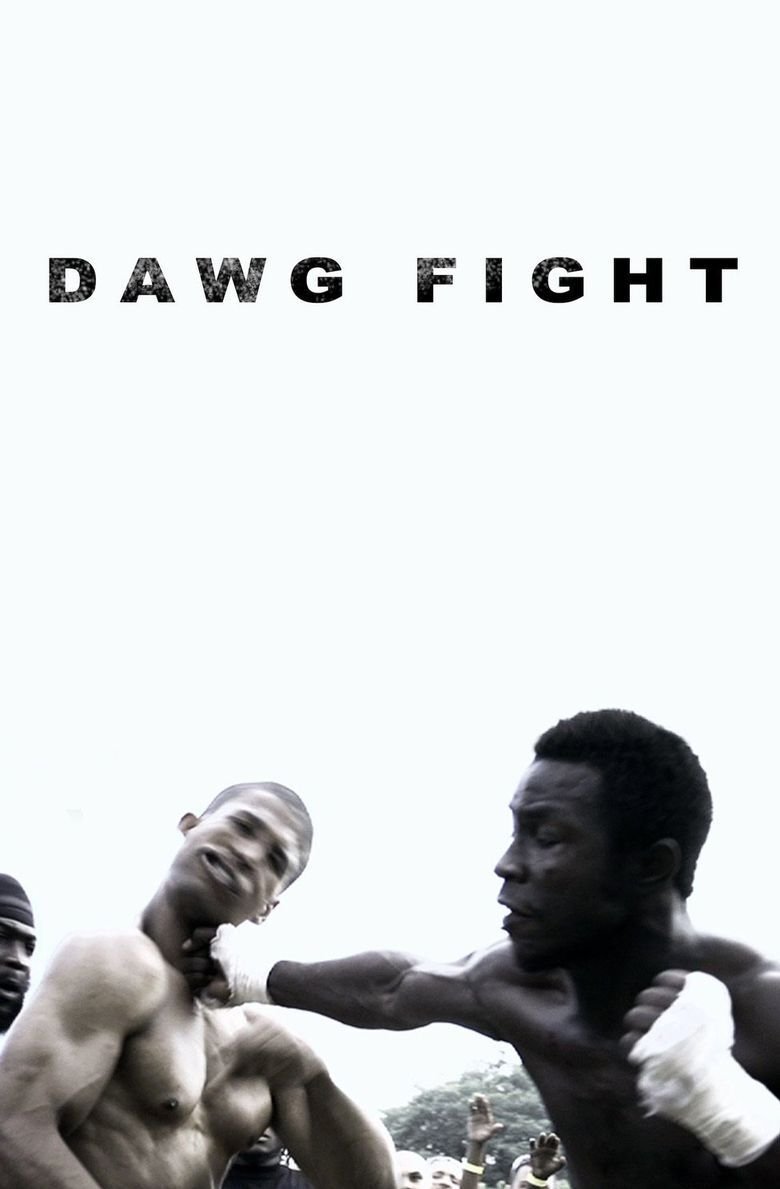
In a crime-plagued neighborhood near Miami, brutal, bare-knuckled backyard fights give young men a chance to earn money -- and self-respect.
A detailing of the rise to prominence and global sporting superstardom of six supremely talented young Manchester United football players (David Beckham, Nicky Butt, Ryan Giggs, Paul Scholes, Phil and Gary Neville). The film covers the period 1992-1999, culminating in Manchester United's European Cup triumph.
Candid interviews of ordinary people on the meaning of happiness, an often amorphous and inarticulable notion that evokes more basic and fundamentally egalitarian ideals of self-betterment, prosperity, tolerance, economic opportunity, and freedom.
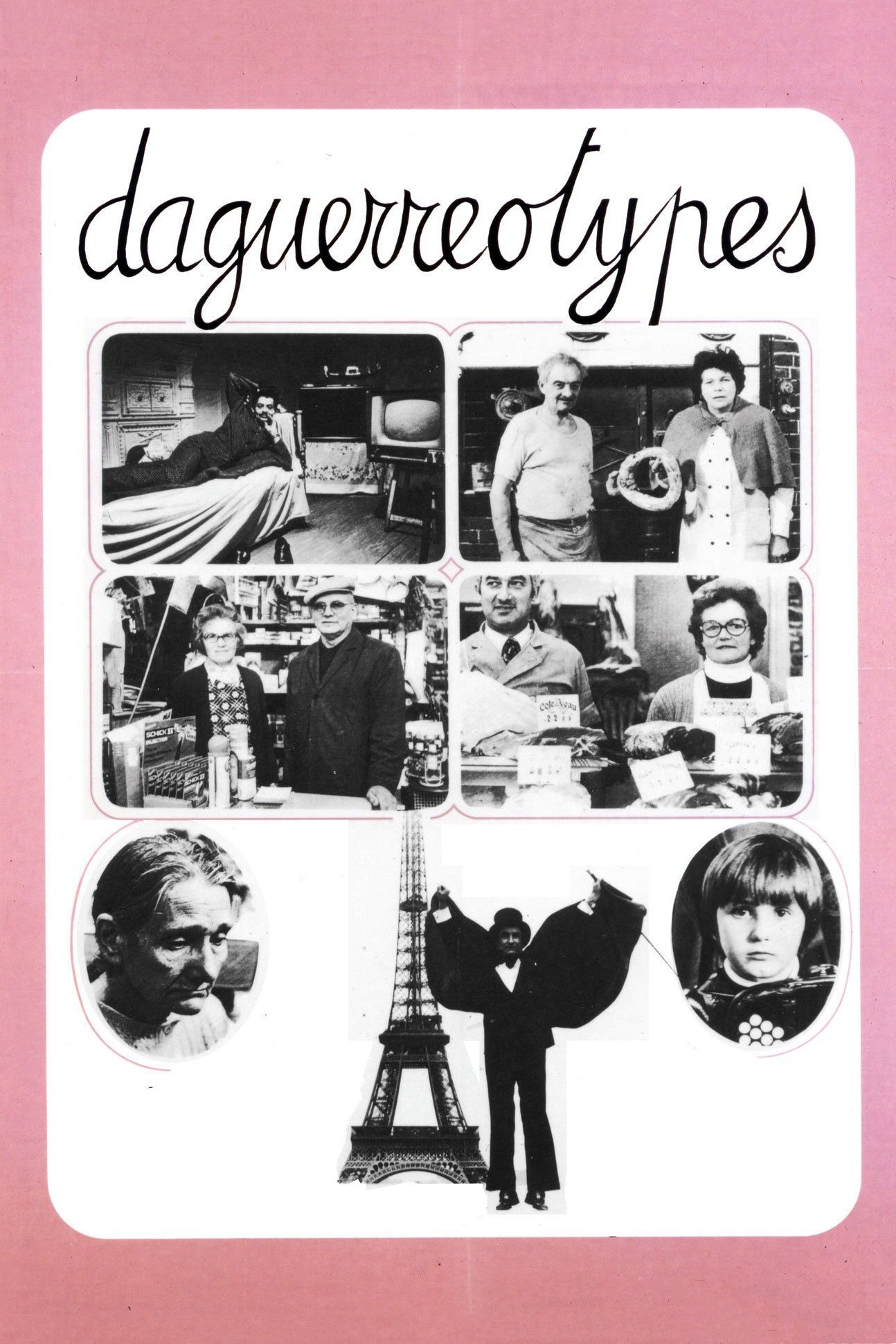
An intimate portrait of the small shops and shopkeepers of the Rue Daguerre in Paris, a picturesque street that has been the filmmaker’s home for more than 50 years.
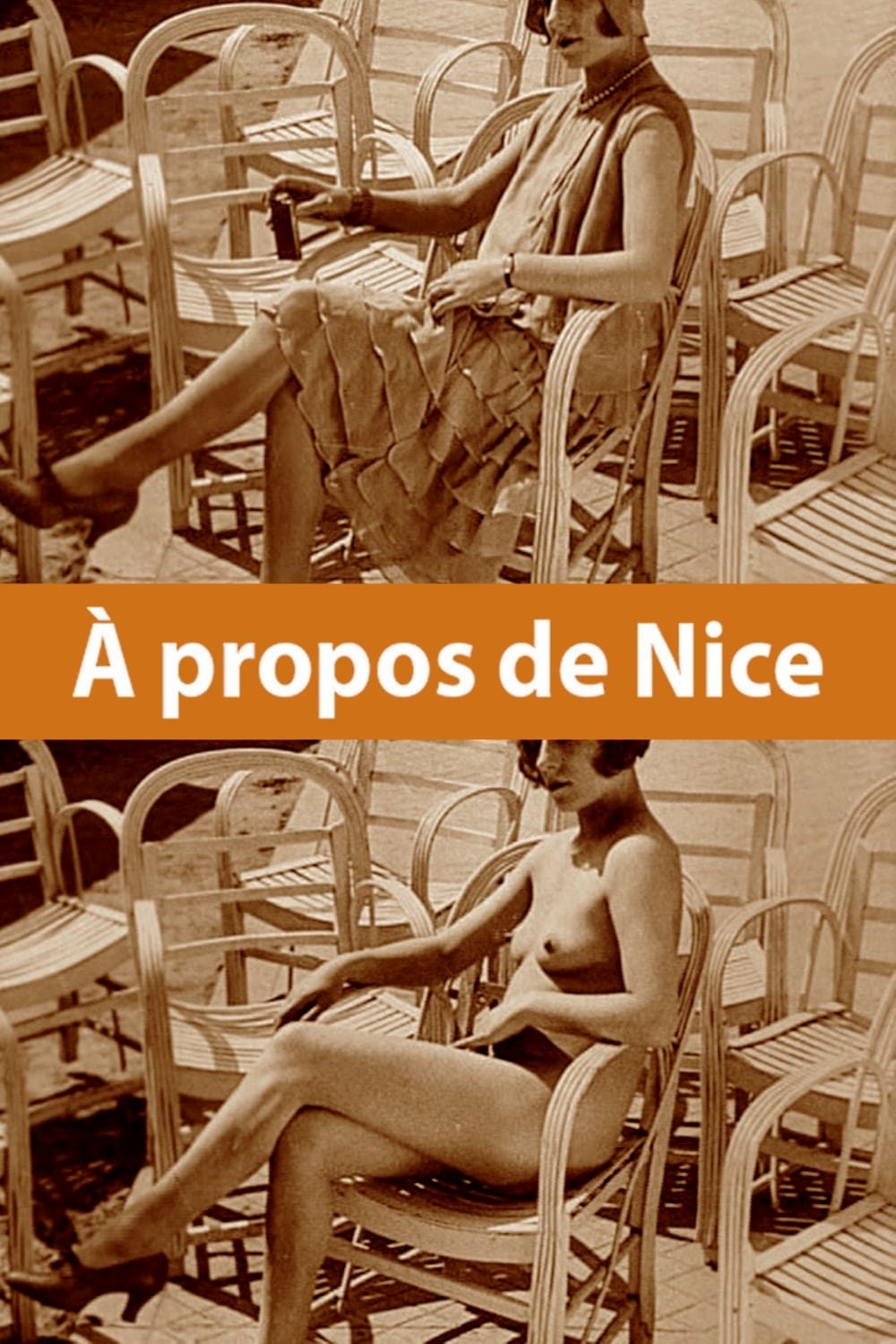
What starts off as a conventional travelogue turns into a satirical portrait of the town of Nice on the French Côte d'Azur, especially its wealthy inhabitants.
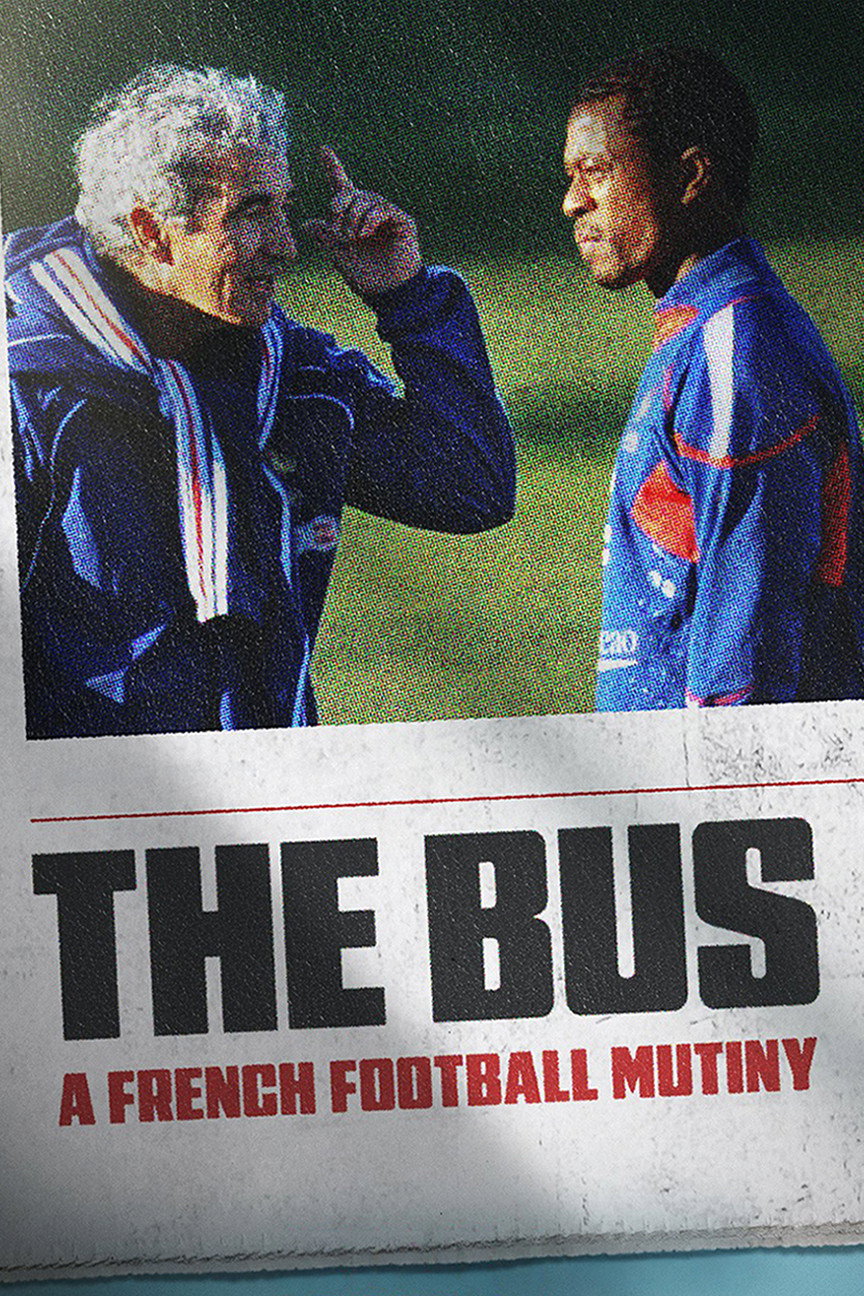
This documentary revisits the French football team's controversial 2010 World Cup and the bus strike that sparked global headlines and national outrage.
Join the likes of Jeremy Renner, Hailee Steinfeld, Florence Pugh, and Vincent D’Onofrio as they reveal how Marvel Studios’ “Hawkeye” was conceived and created. Witness firsthand what it took to pull off the show’s pulse-pounding action set pieces, and discover how iconic characters from the pages of Marvel Comics such as Kate Bishop were adapted and brought to life for the six-episode series.
Through deeply personal interviews with her siblings and an examination of the photographs, letters, and belongings left behind, Mariska assembles a new portrait of her mother Jayne Mansfield, an extraordinary and complex woman.
A documentary about the life and films of director John Ford.
Those who knew iconic funnyman John Candy best share his story, in their own words, through never-before-seen archival footage, imagery, and interviews.
SEDUCED AND ABANDONED combines acting legend Alec Baldwin with director James Toback as they lead us on a troublesome and often hilarious journey of raising financing for their next feature film. Moving from director to financier to star actor, the two players provide us with a unique look behind the curtain at the world's biggest and most glamourous film festival, shining a light on the bitter-sweet relationship filmmakers have with Cannes and the film business. Featuring insights from directors Martin Scorsese, 'Bernando Bertolucci' and Roman Polanski; actors Ryan Gosling and Jessica Chastain and a host of film distribution luminaries.
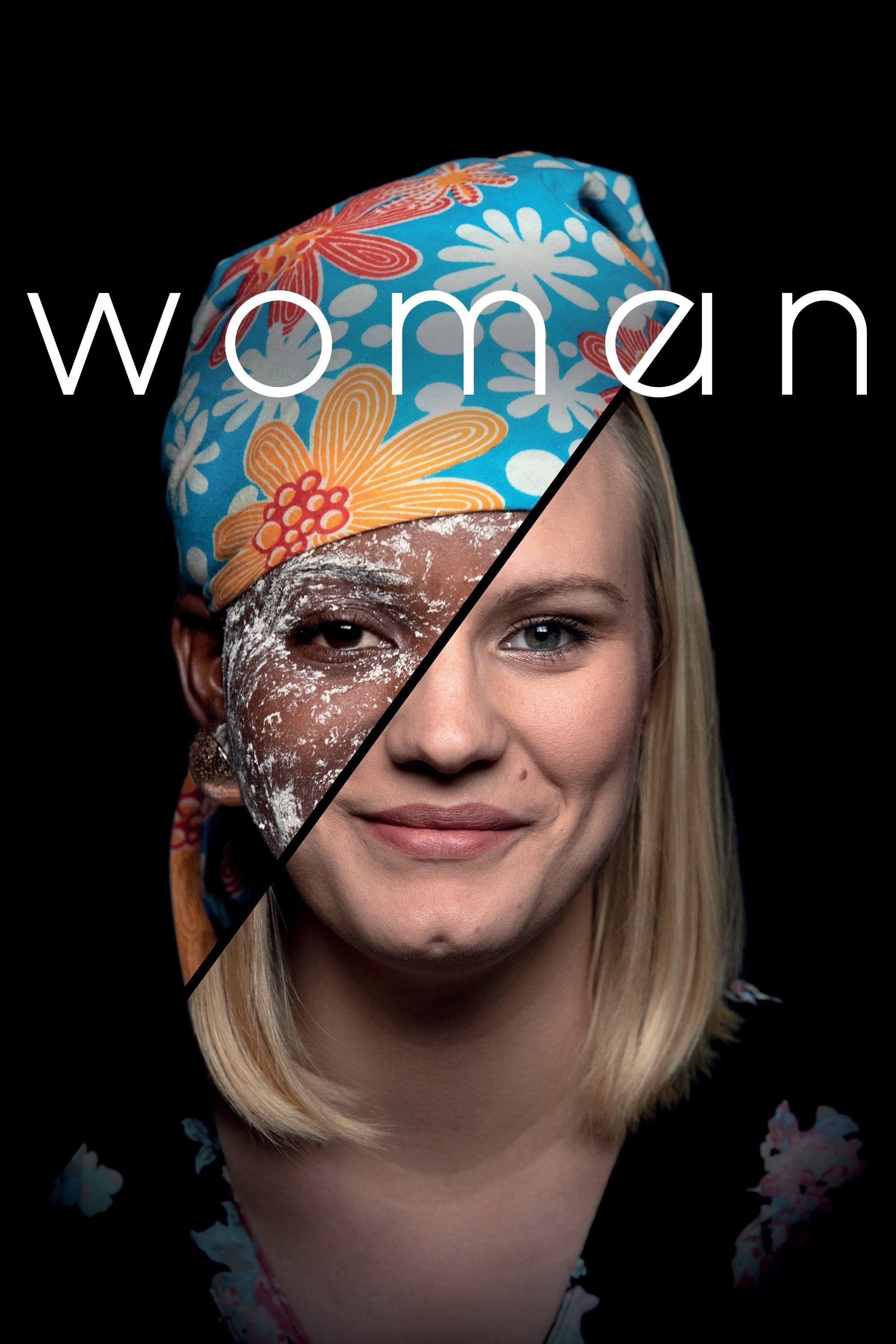
The film is based on interviews with 2,000 women from 50 countries, and covers the status of women all over the world. The topics covered include forced marriages, sexual assault, female genital mutilation, acid attacks, motherhood, sexuality, menstruation, education and the professional success of women.
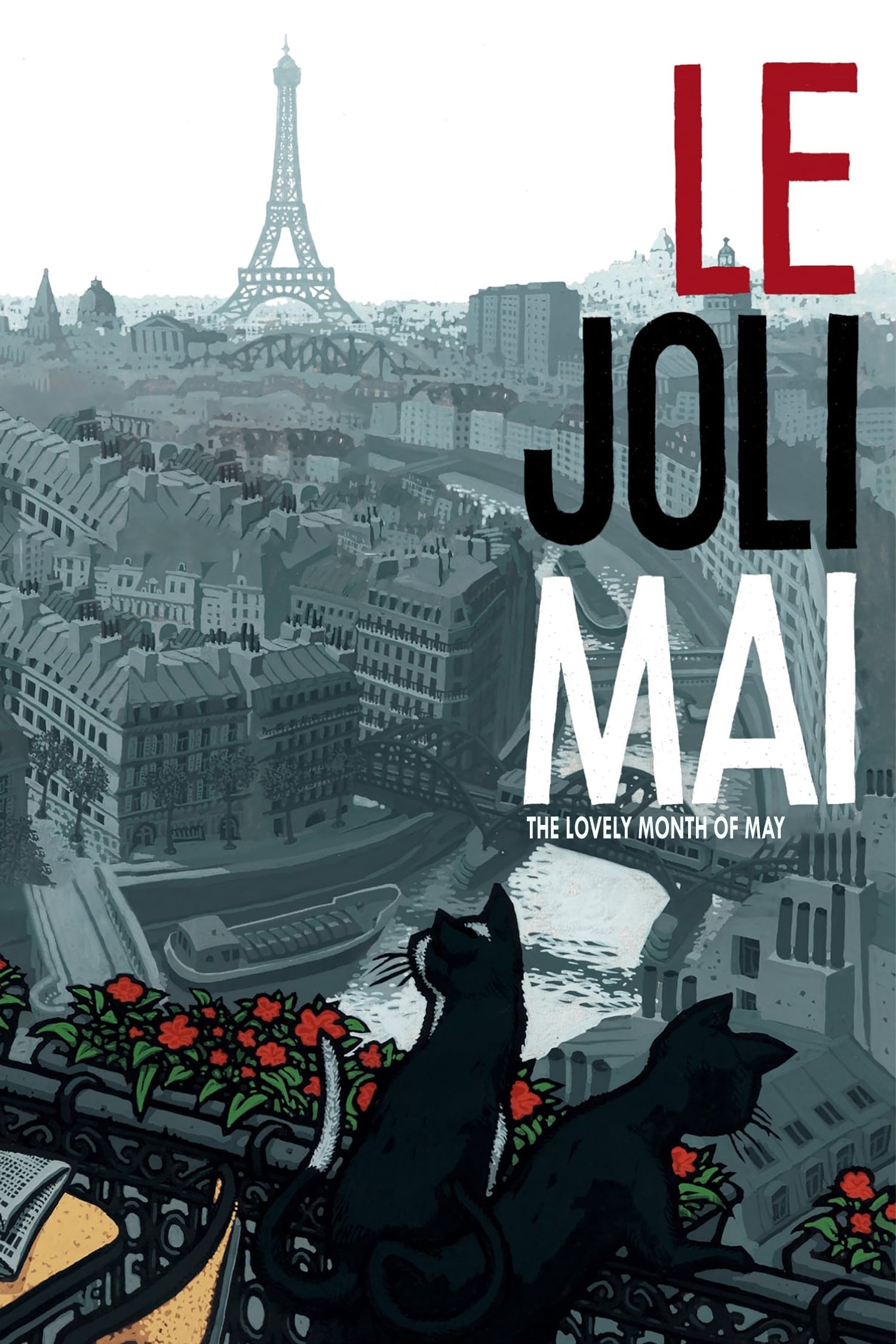
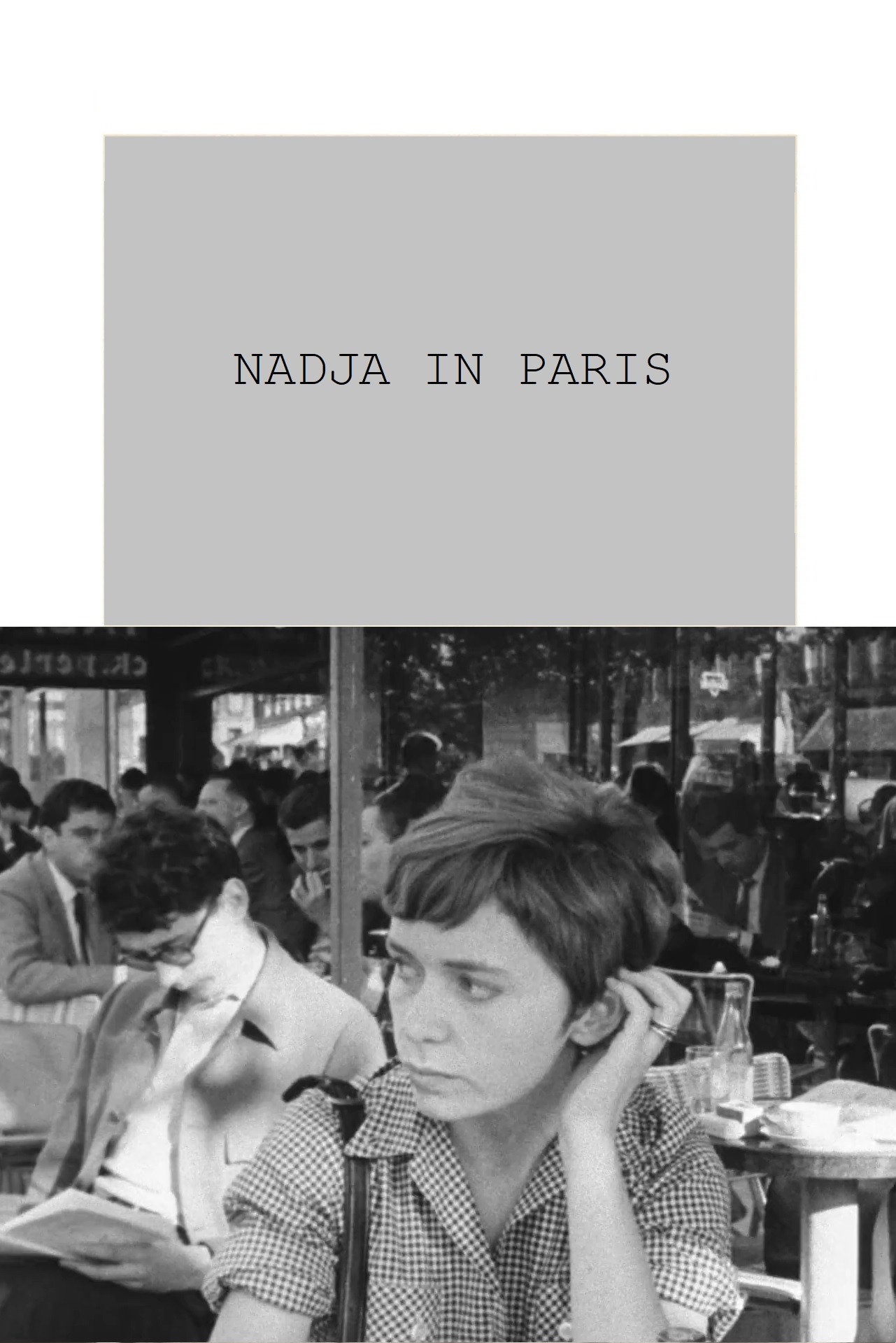
Nadja is a guest student, who stays at Cité Universitaire and visits the Sorbonne, while preparing a thesis on Proust; she also likes to stroll about Paris.
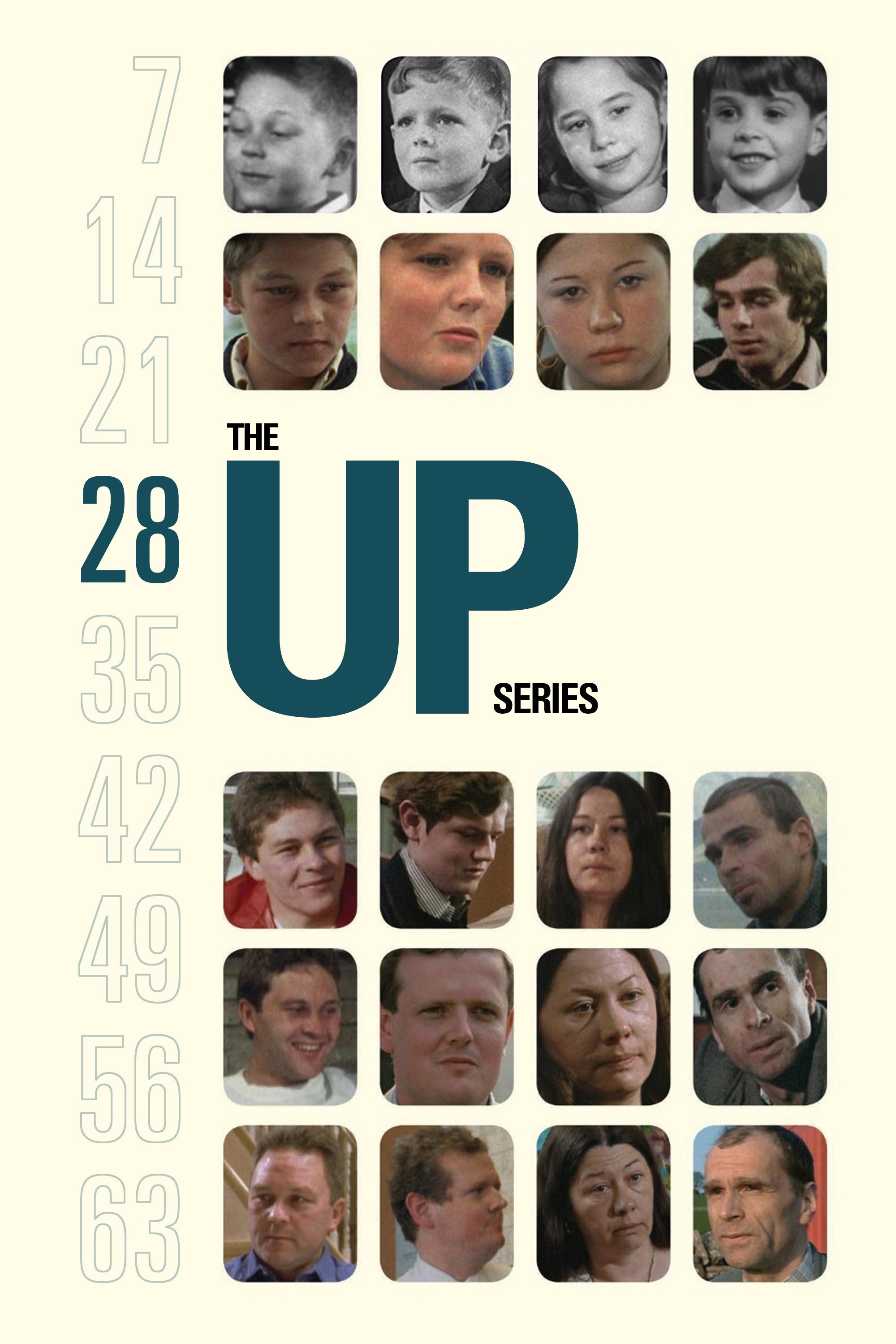
Just two years away from turning 30, participants in Michael Apted's documentary series are facing serious questions of identity and purpose, wondering whether they've found their place in the world.
After years in the limelight, Selena Gomez achieves unimaginable stardom. But just as she reaches a new peak, an unexpected turn pulls her into darkness. This uniquely raw and intimate documentary spans her six-year journey into a new light.