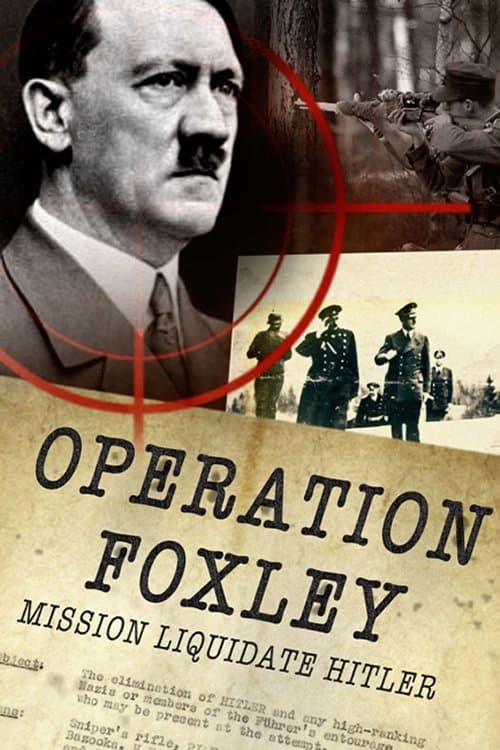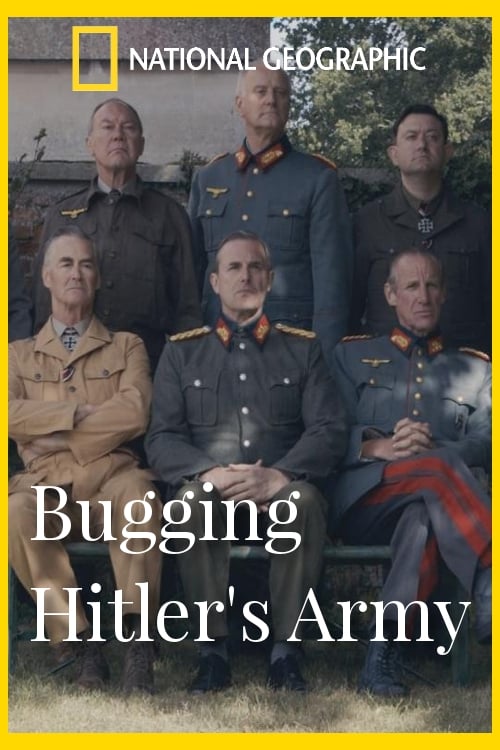
An examination of British Intelligence's World War II systematic eavesdropping on German prisoners of war.
Social & External
A documentary about the portrayal of Adolf Hitler in popular culture.
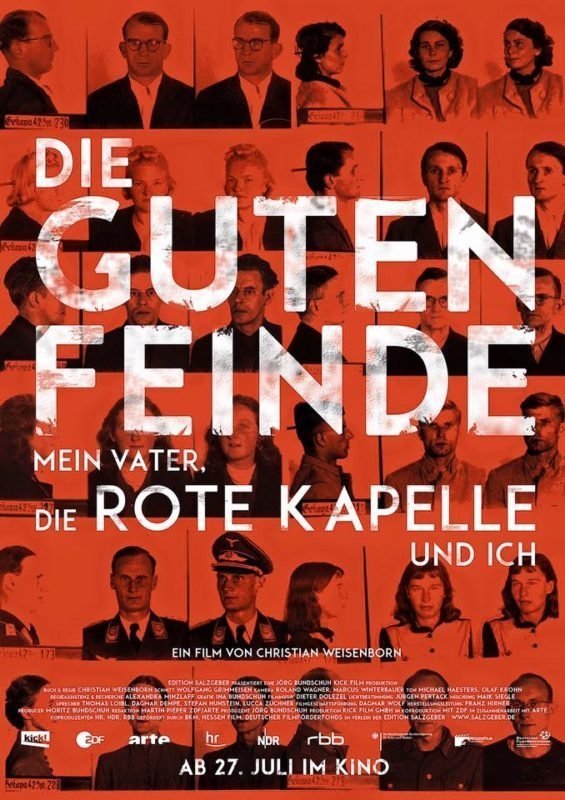
An intimate quest by a son to understand the identity of his father; a look back at the Berlin of the 30s and a special group of friends who loved life and, in the darkest hours of German history, ultimately chose good over evil.
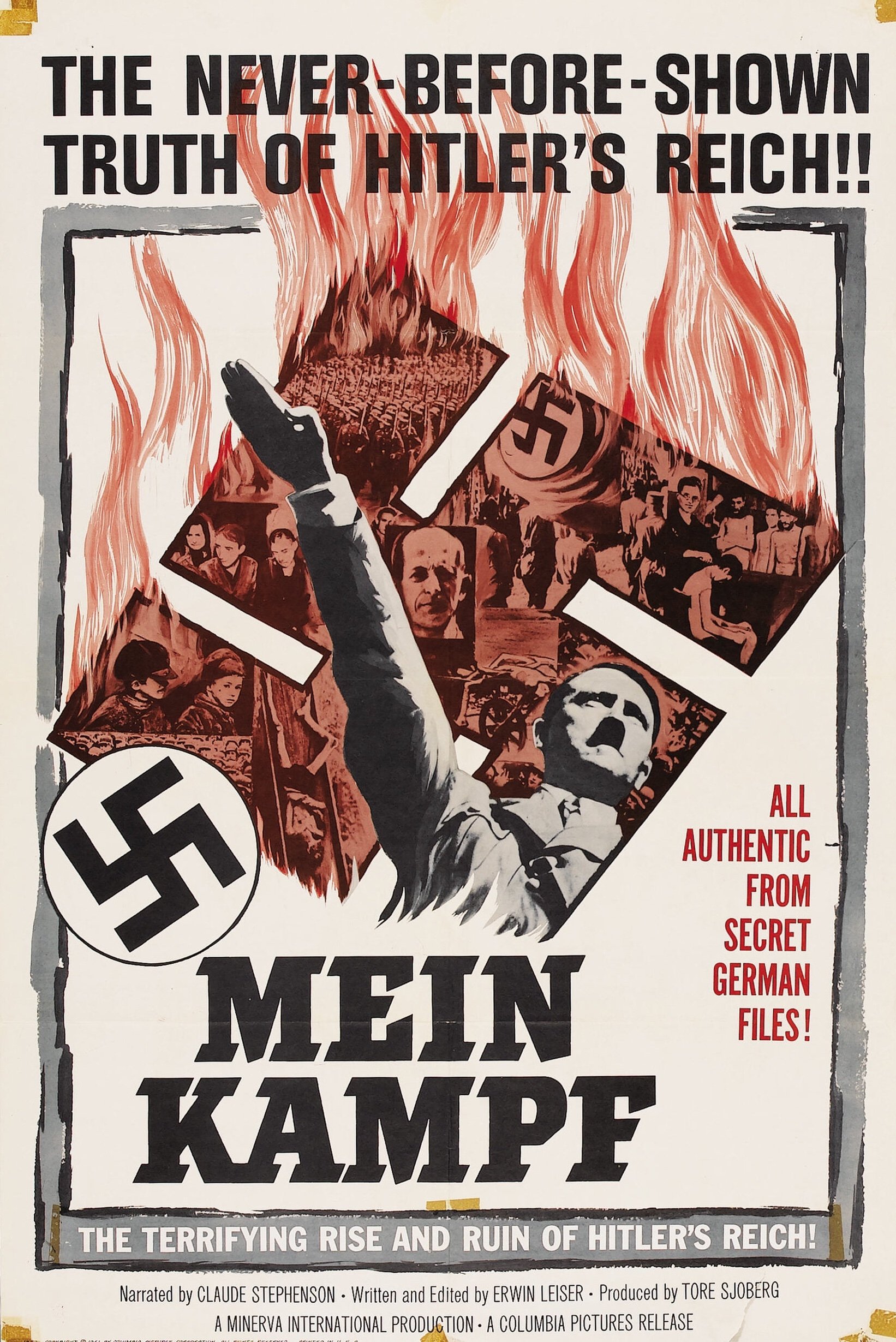
Hitler's biography told like never before. Besides brief historical localizations by a narrator, only contemporaries and Hitler himself speak: no interviews, no reenactment, no illustrative graphics and no technical gadgets. The testimonies from diaries, letters, speeches and autobiographies are assembled with new, often unpublished archive material. Hitler's life and work are thus reflected in a unique way in interaction with the image of the society in the years 1889 to 1945.
A group of friends come up with the brilliant idea of testing the non-existent drink known as "Tea Coffee".
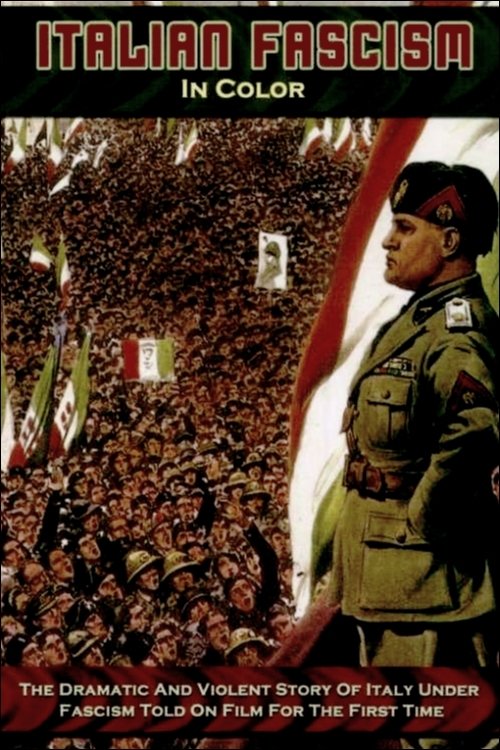
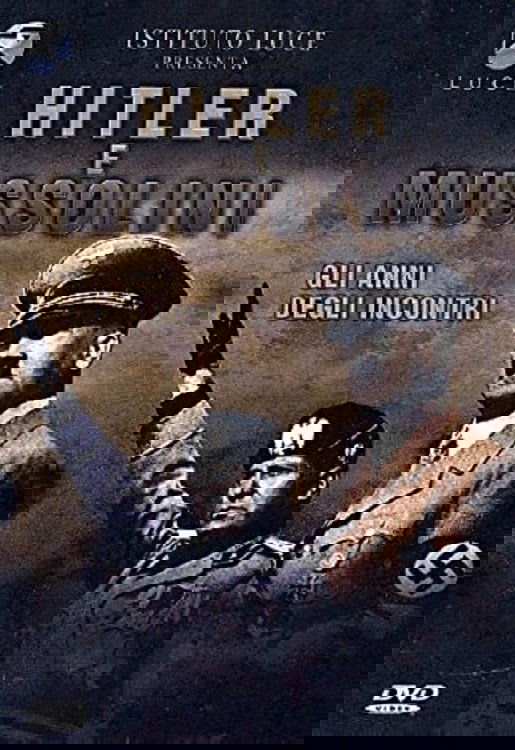
After the World War I, Mussolini's perspective on life is severely altered; once a willful socialist reformer, now obsessed with the idea of power, he founds the National Fascist Party in 1921 and assumes political power in 1922, becoming the Duce, dictator of Italy. His success encourages Hitler to take power in Germany in 1933, opening the dark road to World War II. (Originally released as a two-part miniseries. Includes colorized archival footage.)


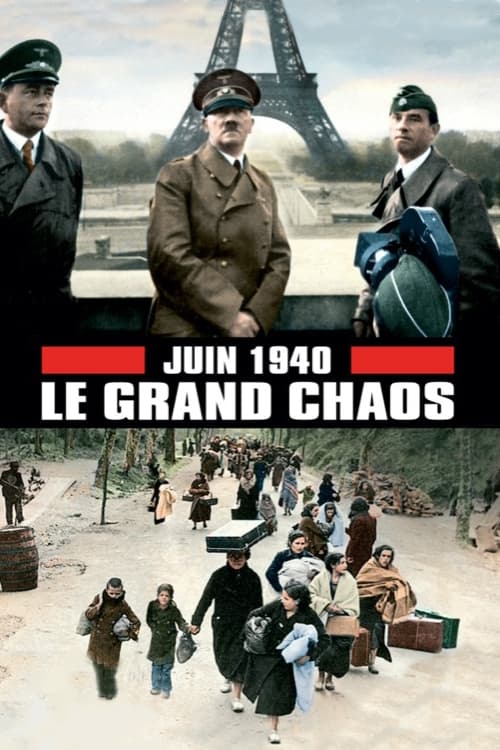
From May 10, 1940, France is living one of the worst tragedies of it history. In a few weeks, the country folds, and then collapsed in facing the attack of the Nazi Germany. On June 1940, each day is a tragedy. For the first time, thanks to historic revelations, and to numerous never seen before images and documents and reenacted situations of the time, this film recounts the incredible stories of those men and women trapped in the torment of this great chaos.
A showcase of German chancellor and Nazi Party leader Adolf Hitler at the 1934 Nuremberg Rally.
A double portrait of two dictators who were thousands of miles apart but were constantly fixated on each other.
The night of November 8, 1923, is arguably the most significant and transformative in the history of the twentieth century. A localised uprising in the Bavarian capital of Munich, led by a small man with a toothbrush moustache and a poisonous yet compelling grandiloquence, would have repercussions that would lead to the political shackling of an entire nation, the most abhorrent crimes of the century and a world war. You might say, Adolf Hitler came of age amid the smell of sweat and sawdust of a Munich beer hall. In the political chaos of 1923, he was a local irritant, gaining popularity among workers and soldiers, the ethos of his Nazi Party spreading like a virus. His first attempt at attaining true power came with an attempted putsch on the already separatist government of Bavaria, which left him imprisoned.
Winston Churchill, one of the most revered men of the twentieth century. Adolf Hitler, one of the most hated leaders in contemporary history. Between 1940 and 1945, these two enormously contradictory personalities faced each other in both politics and war. A clash of giants whose story begins in the trenches of the World War I and ends with the debacle of the World War II.
The Obersalzberg retreat was the summer residence and retreat of Adolf Hitler, Eva Braun and his closest confidants in the Nazi regime. The public are mainly familiar with fi lm footage and photographs from the alleged Nazi idyll. For the first time, eye witnesses are willing to talk about their experiences in Obersalzberg.
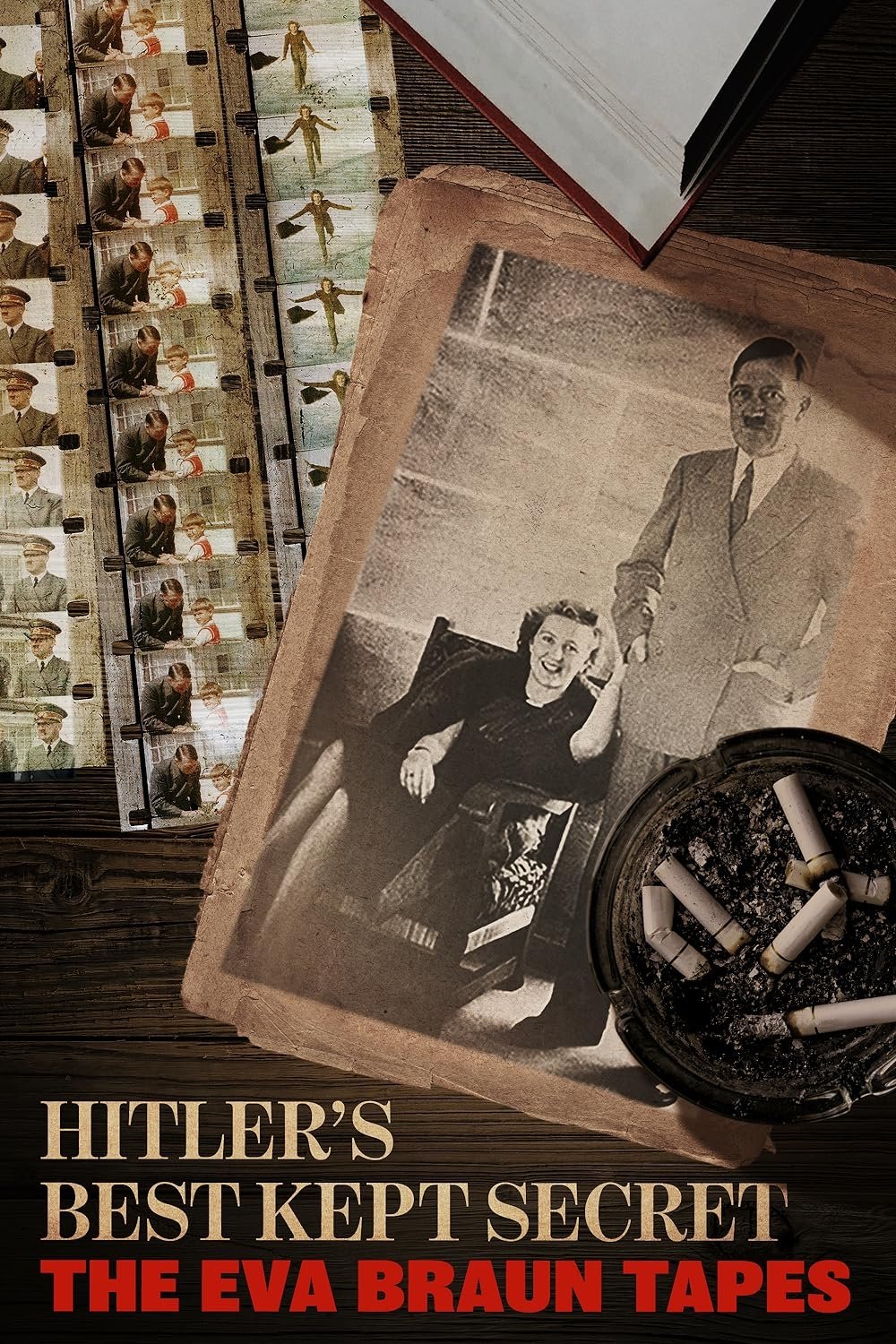
Comprised of video shot during the Nazi regime, including propaganda, newsreels, broadcasts and even some of Eva Braun's colorized personal home movies, we explore the way in which the Third Reich infiltrated the lives of the German population, from 1933 to 1945.
A keen chronicle of the unlikely rise to power of Adolf Hitler (1889-1945) and a dissection of the Third Reich (1933-1945), but also an analysis of mass psychology and how the desperate crowd can be deceived and shepherded to the slaughterhouse.
Where do flying saucers originate? Do they carry aliens from other worlds? Or is the truth actually a lot stranger. During World War II the Nazi's employed scientists to re-imagine the boundaries of scientific thought and practise. Many in the field of advanced weapon design - the programme that produced the V1 and V2 rockets that rained on Britain. But did this same unit produce rudimentary flying saucers? Declassified military documents detail the numerous reports by allied pilots of 'foo fighters', unusual craft with incredible acceleration engaging them in the skies above Germany. In addition there was the Nazi 'Der Glocke' or 'The Bell' project for a vertical take-off vehicle, which resembles eyewitness reports of a UFO crash in Pennsylvania after the war. Thousands of Nazi scientists were brought to the US at the end of the war. Are these men, and the projects they continued to work on in America, responsible to little green men, 400 UFO sightings a month and even the ...
Documentary about the legal system in Nazi Germany.
In 1961, history was on trial... in a trial that made history. Just 15 years after the end of WWII, the Holocaust had been largely forgotten. That changed with the capture of Adolf Eichmann, a former Nazi officer hiding in Argentina. Through rarely-seen archival footage, The Eichmann Trial documents one of the most shocking trials ever recorded, and the birth of Holocaust awareness and education.