Social & External
The people behind it
E. F. Burian
Self
Otakar Brousek
Commentary (voice)
František Holar
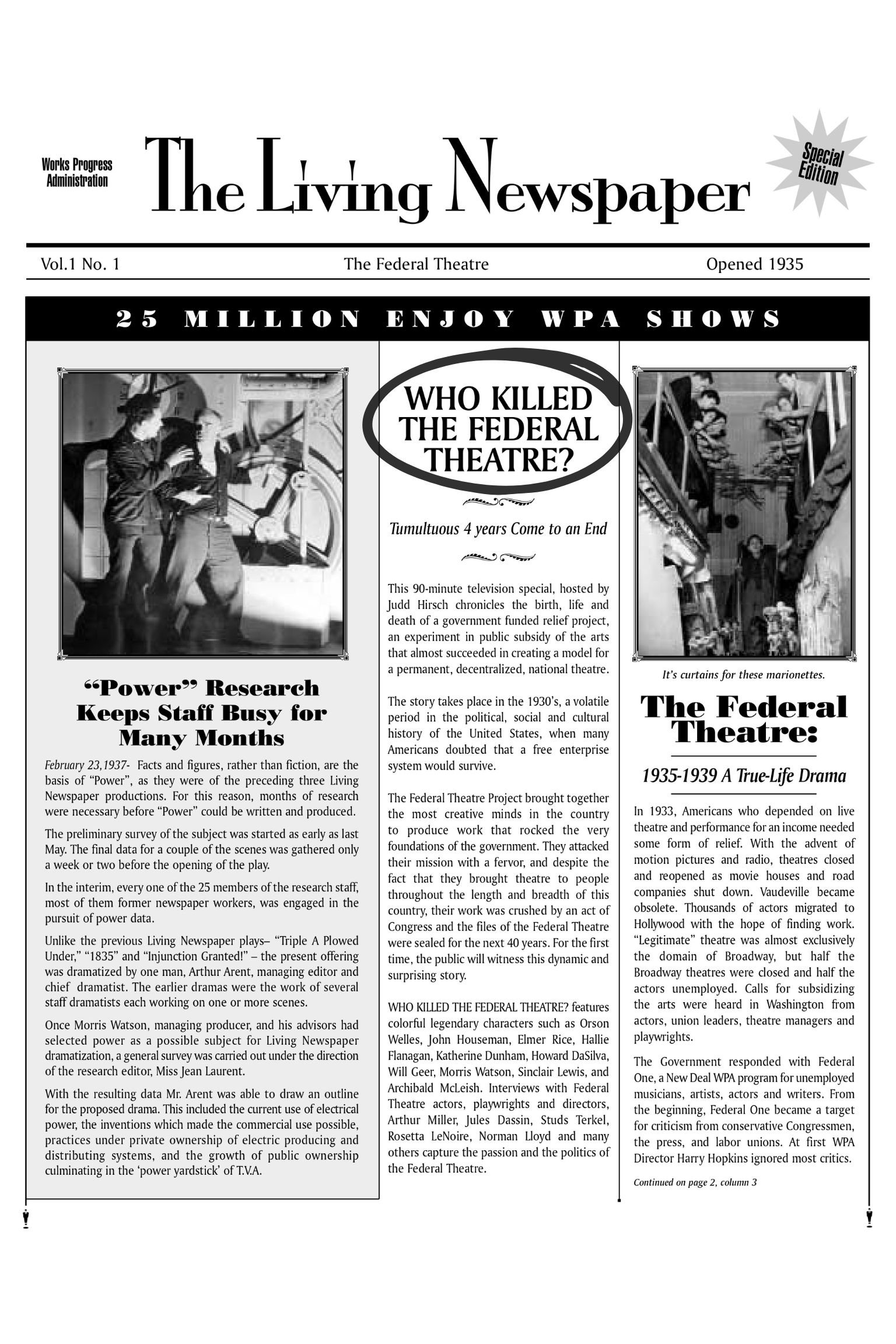
Part journalistic investigation and part performance documentary, "Who Killed The Federal Theater?" tells the story of the Federal Theatre Project within the context of a volatile period in the political, social and cultural history of the United States. The film features interview segments with playwrights, including Arthur Miller, and with actors, directors, designers, and historians. It also incorporates rare archival materials and dramatic sequences, including professionally re-created scenes from Federal Theatre productions that transport viewers back in time to a bygone era in American history and entertainment.
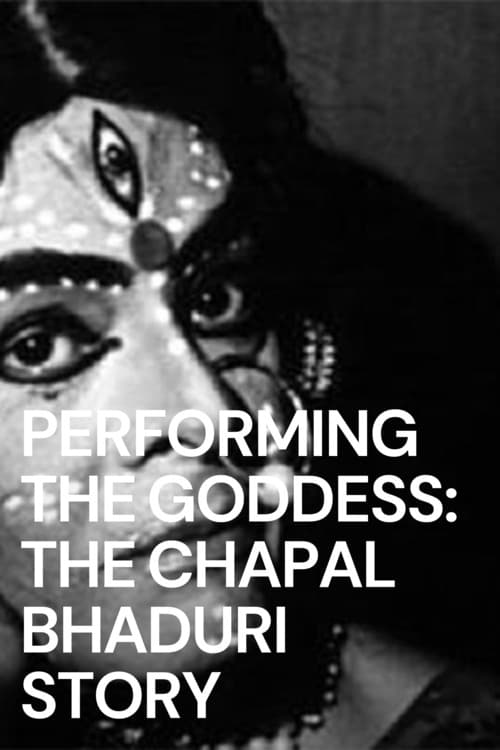
"Chapal Bhaduri, a leading lady of Bengal’s traditional folk traveling theatre-in-the-round, the Jatra, spent his life playing women. This film is an intimate biography that brings you face to face with this unique individual, sharing what it means to him to become a woman night after night, talking of the woman inside his body, of troubled sexuality, of a long partnership with his older lover, of the loneliness of living on the edges of conventional society–and showing how he metamorphoses into the goddess to perform her story." - The Bangalore International Centre
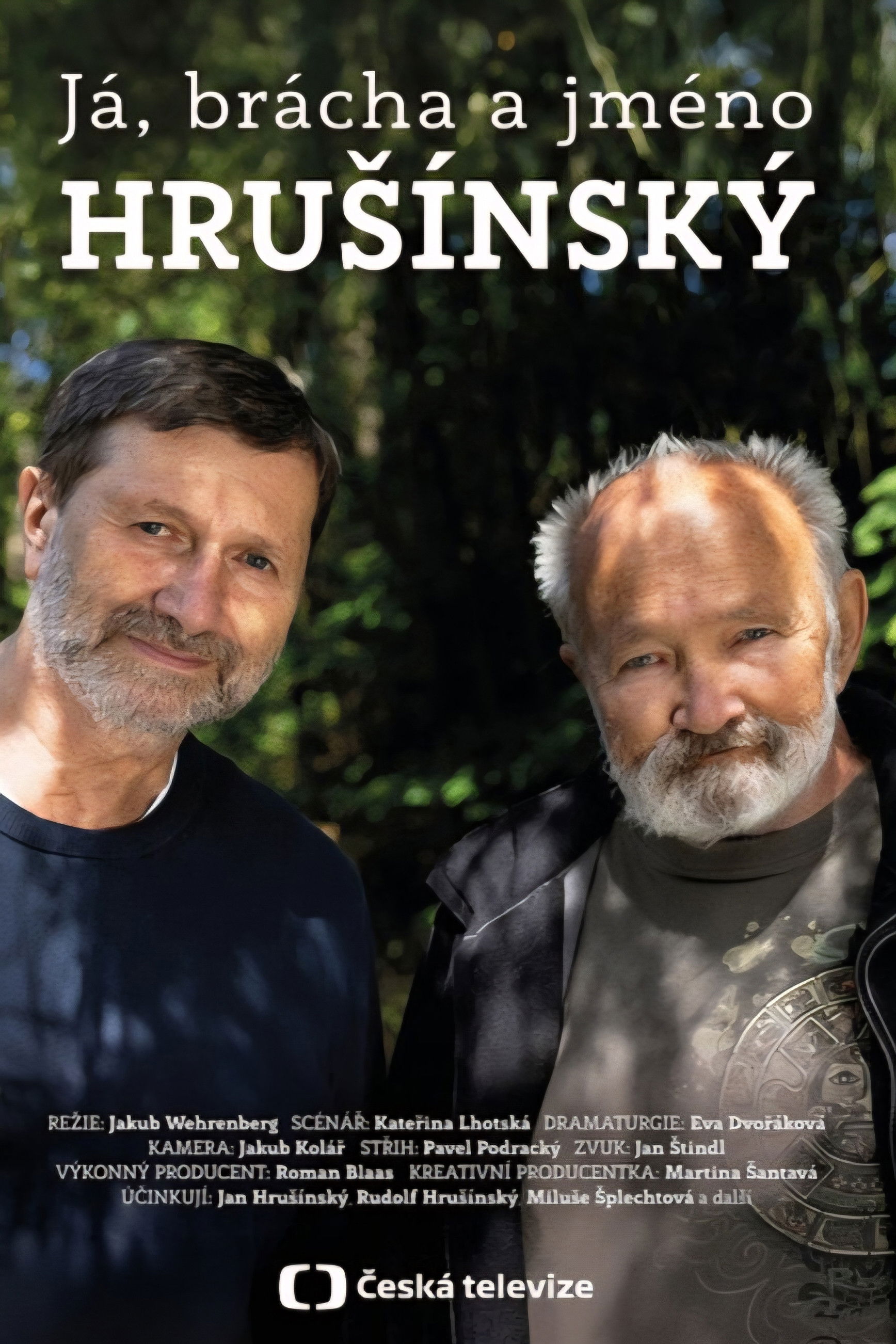
According to family legend, the name Hrušínský was born after Rudolf and Jan Hrušínský's grandfather Rudolf Böhm was caught stealing pears on a theater stage. The German name Böhm suddenly became Hruškovský and shortly after that Hrušínský. Grandfather Rudolf, later known as Rudolf Hrušínský the eldest, adopted the surname as his own and began using it in 1935. However, the history of the Hrušínský acting family goes back much further. It is therefore not surprising that the brothers Rudolf and Jan also took the same path. The documentary charts their acting beginnings alongside their father Rudolf Hrušínský Sr., from their first roles, through theater engagements at the Drama Studio in Ústí nad Labem and the Drama Club in Prague, to unforgettable film and television roles, when three generations of Hrušínskýs often met in front of the camera.
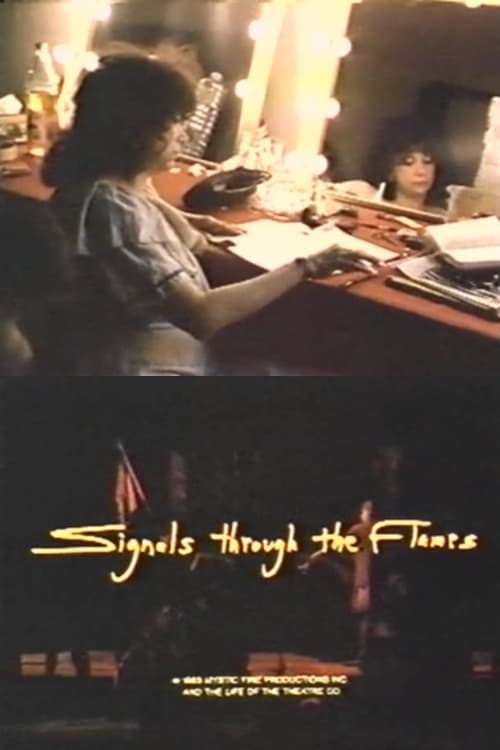
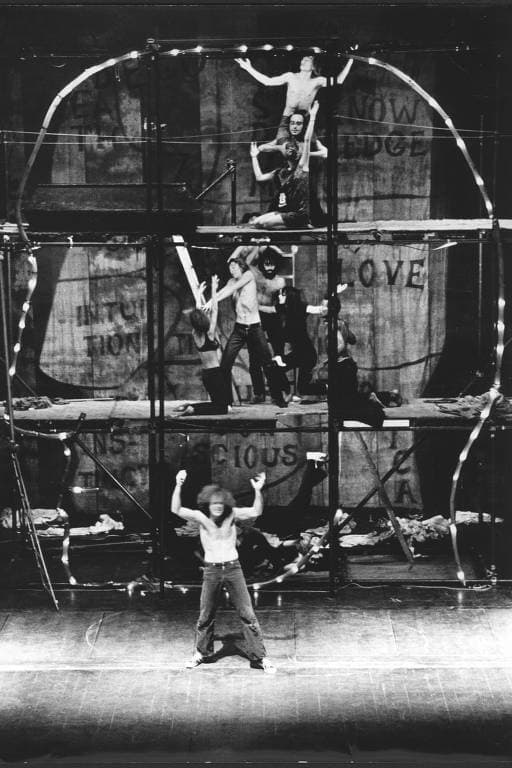
Signals Through the Flames is at once a history and a celebration of the Living Theatre. Founded in the late 1940s by husband-and-wife performers Julian Beck and Judith Malina, the Living Theatre was for many years the predominent American outlet for the avant-garde movement. There were occasional self-imposed exiles to Europe in the 1950s and 1960s, but the group returned full-force during the Aquarius Age to entertain a new generation of theatregoers.
The Living Theatre is an experimental company founded in New York in 1947 by Julian Beck (New York 1925-1985), painter and poet, and the actress and stage director Judith Malina (Kiel 1926), a student of Erwin Piscator. From the very beginning the group’s activities bore the stamp of social and political commitment, imbued with a strong libertarian matrix. A video montage of films and videos from The Living Theatre Archives.
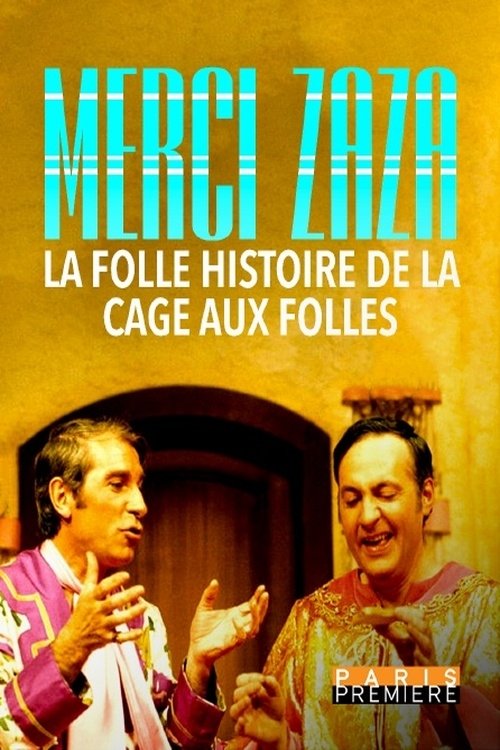
A look back at "La Cage aux Folles", which ran non-stop for five years, from February 1973, on the stage of the Théâtre du Palais Royal in Paris. At a time when homosexuality was considered a crime by the law, Poiret and Serrault achieved great success in boulevard theater. Their success continued on the silver screen, with three Oscar nominations and a Broadway musical. Combining never-before-seen archives from the play, extracts from the film, confessions by Poiret and Serrault, and interviews with witnesses, this is the story of a wild epic.
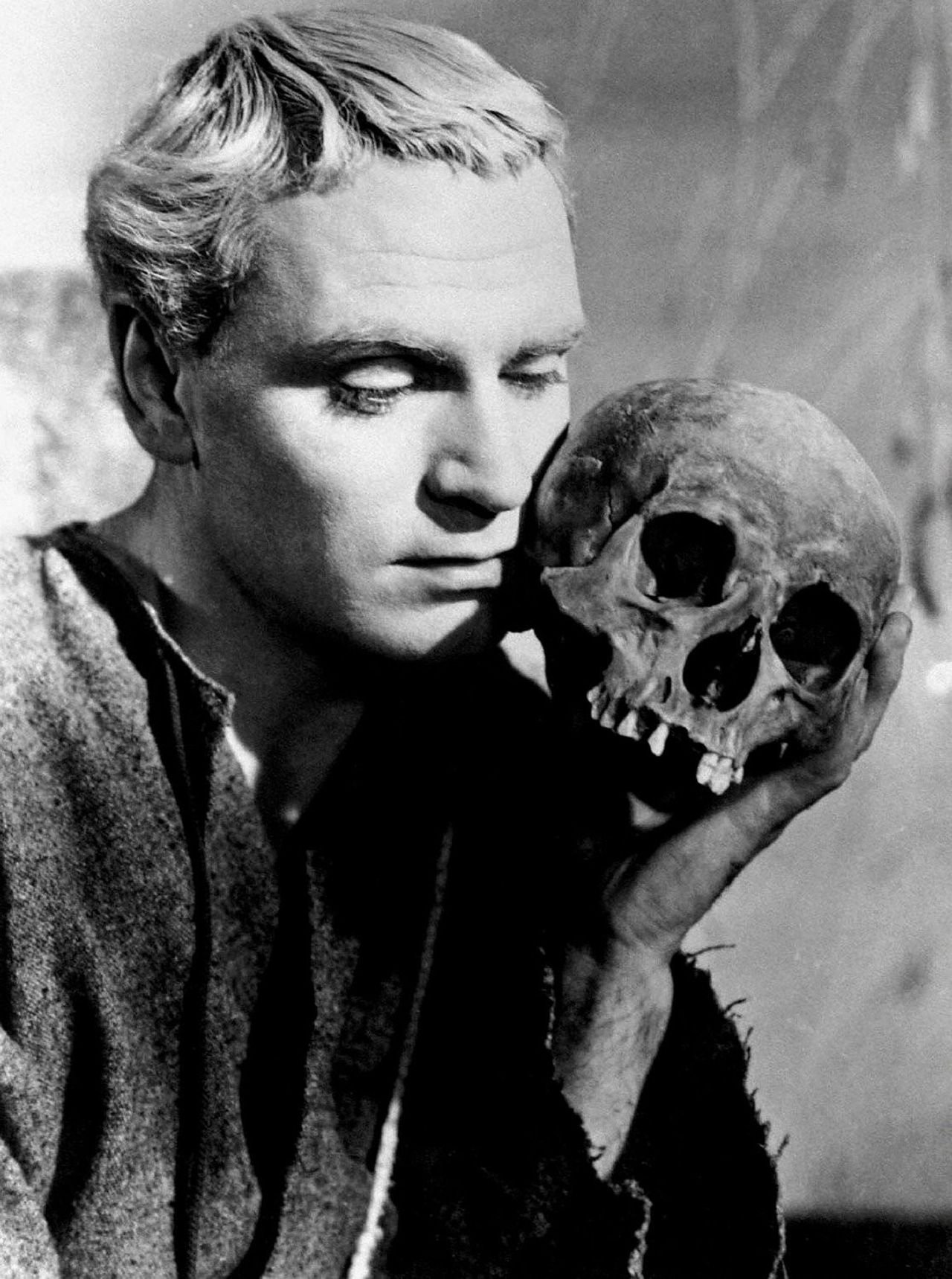
Journey into "Hamlet"-the play and the man-through the experiences of some of the major actors and directors who have brought Shakespeare's great tragedy to life. Christopher Plummer, David Tennant, John Nettles, John Simm, Sir Trevor Nunn, Franco Zeffirelli, Philip Saville, and others explore the enduring appeal of the Prince of Denmark more than 400 years after his stage debut.
Truth becomes the source of creativity; actions are a result of being, not thinking. This film, INSIDE/OUTSIDE is based upon Monika’s processes over many years. Robert Golden has had the privilege of meeting and photographing some of Monika’s late work. Although her teaching is for performers, Robert has said that her gift of understanding humanity has been gifted in some small ways to him. Monika’s inspirational way of working, helps actors to find a unity between their inner psyche and its outer expression. The 46-minute film shows a precise description of her work. Monika explains it in detail along with thoughts about movement, performance and theatre. The insightful and entertaining book and film are relevant to actors, dancers, Laban yoga, Feldenkrais, Pilates and other sports and movement systems and to people working with children.
In early 20th-century Naples, a theatrical parody lands beloved thespian and playwright Eduardo Scarpetta in court, facing a malicious lawsuit that could compromise his freedom of expression and the economic security of his extended family—including his son's, young Eduardo De Filippo.
England, 1890s. The brutal and embittered Marquis of Queensberry, who believes that his youngest son, Bosie, has an inappropriate relationship with the famous Irish writer Oscar Wilde, maintains an ongoing feud with the latter in order to ruin his reputation and cause his fall from grace.
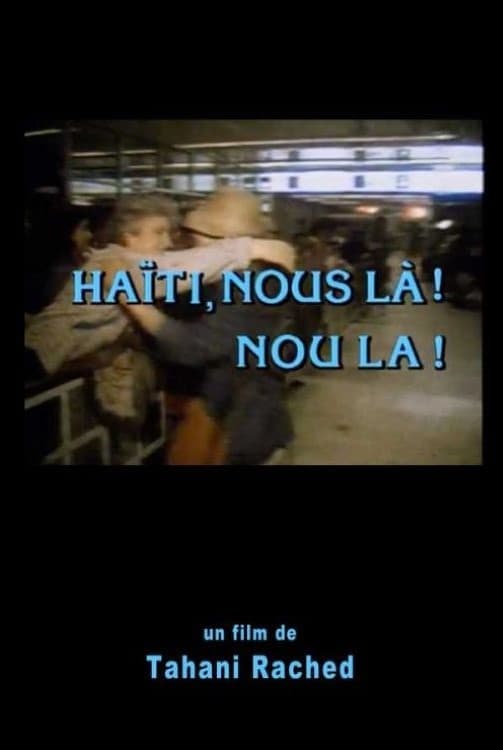
From Haiti, images and testimonies that describe the climate that reigned during the aborted elections of November 29, 1987. A powerful military police in the service of a despotic power terrorized an impoverished people that they wanted to keep submissive. The government had succeeded in ousting Duvalier. However, another dictatorship has taken over, and nothing has changed. However, both on the radio and in the streets, the voice of the Haitians was heard with strength and courage. But what if it was all a sham of democracy?
The trial of Alfred Plock differed from previous trials in that it did not have an explicitly political background. A group of engineers from the Ministry of Post, Industry, and Standard Electric were charged solely because they wanted to implement a revolutionary technological innovation and turn Prague into the headquarters of a new pan-European telecommunications system. Among other things, they wanted to enhance their country's prestige on the international stage. However, it was precisely this intention that aroused the suspicion of the security authorities and Soviet advisers. They therefore decided to take decisive action.
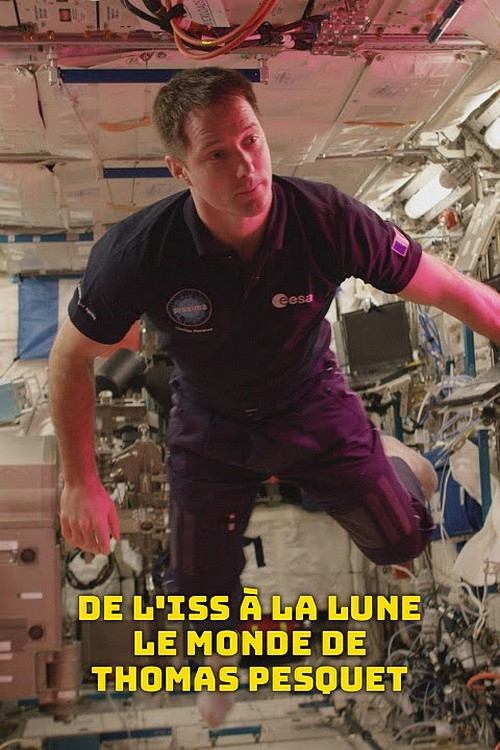
From space, 400 kilometers above our heads, one man has won the hearts of the French: Thomas Pesquet. Traveling to the stars is an almost impossible dream, but for Thomas Pesquet it is a reality that he recounts in detail in an exclusive interview. You will discover the magic of living in space, the wonder of our planet, but also the reality of everyday life in zero gravity: how they sleep, how they wash, what happens to their bodies. Why do they have to exercise for two hours a day? How do they communicate with their families? With Thomas Pesquet and the help of specialists, scientists, doctors, instructors, directors, and computer-generated images, you will discover what goes on behind the scenes of a mission and understand how the International Space Station works.
This revealing documentary honors the legendary Sidney Poitier—iconic actor, filmmaker, and civil rights activist. Featuring interviews with Denzel Washington, Spike Lee, Halle Berry, and more.
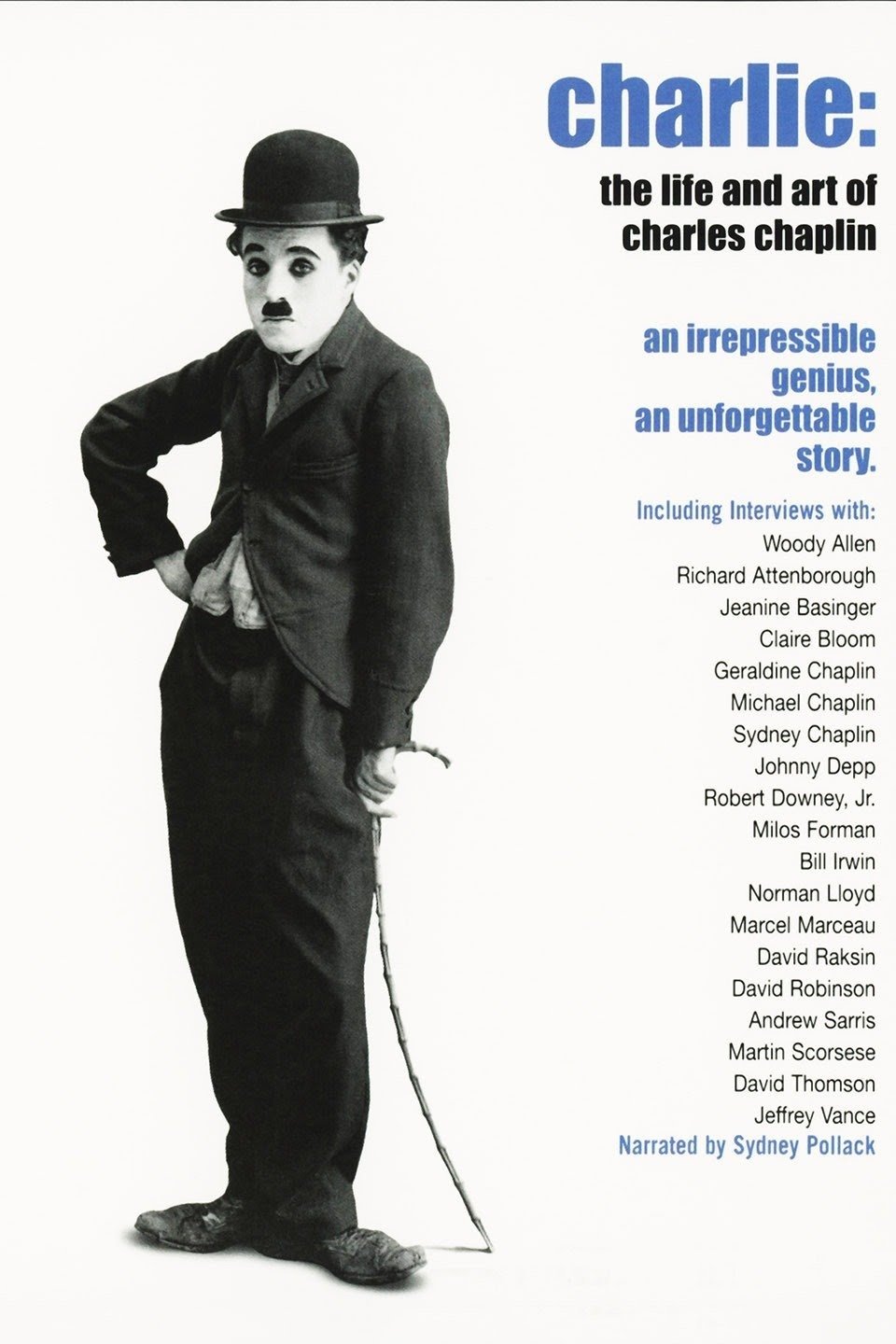
Brilliant, long in-the-works story of the life and art of the world's greatest comedian and the cinema's first genius, Charlie Chaplin. Produced, written and directed by renowned film critic Richard Schickel.
An inside look at one of the most anticipated movie sequels ever with James Cameron and cast.
Al Pacino's deeply-felt rumination on Shakespeare's significance and relevance to the modern world through interviews and an in-depth analysis of "Richard III."
SEDUCED AND ABANDONED combines acting legend Alec Baldwin with director James Toback as they lead us on a troublesome and often hilarious journey of raising financing for their next feature film. Moving from director to financier to star actor, the two players provide us with a unique look behind the curtain at the world's biggest and most glamourous film festival, shining a light on the bitter-sweet relationship filmmakers have with Cannes and the film business. Featuring insights from directors Martin Scorsese, 'Bernando Bertolucci' and Roman Polanski; actors Ryan Gosling and Jessica Chastain and a host of film distribution luminaries.
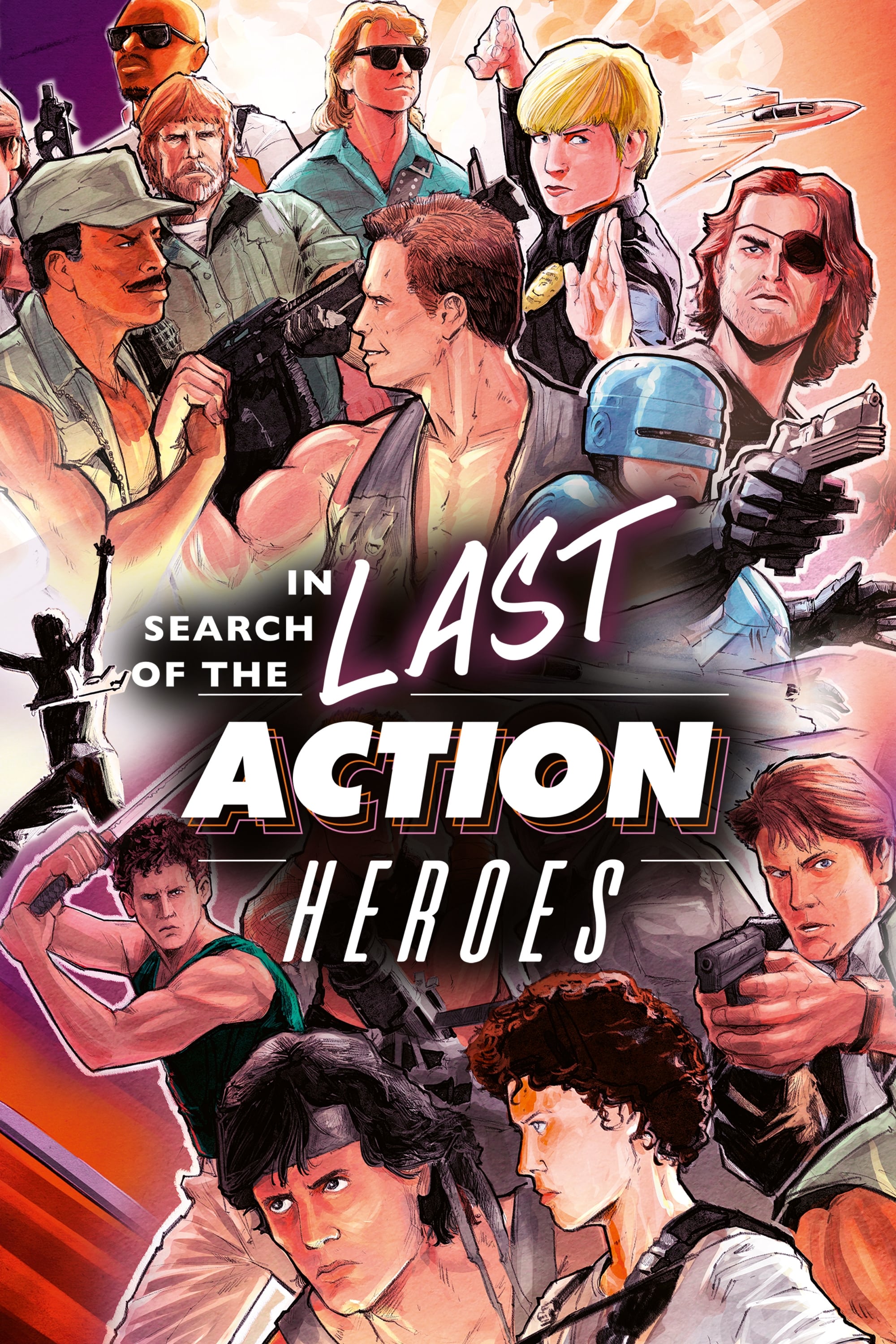
The most comprehensive retrospective of the '80s action film genre ever made.
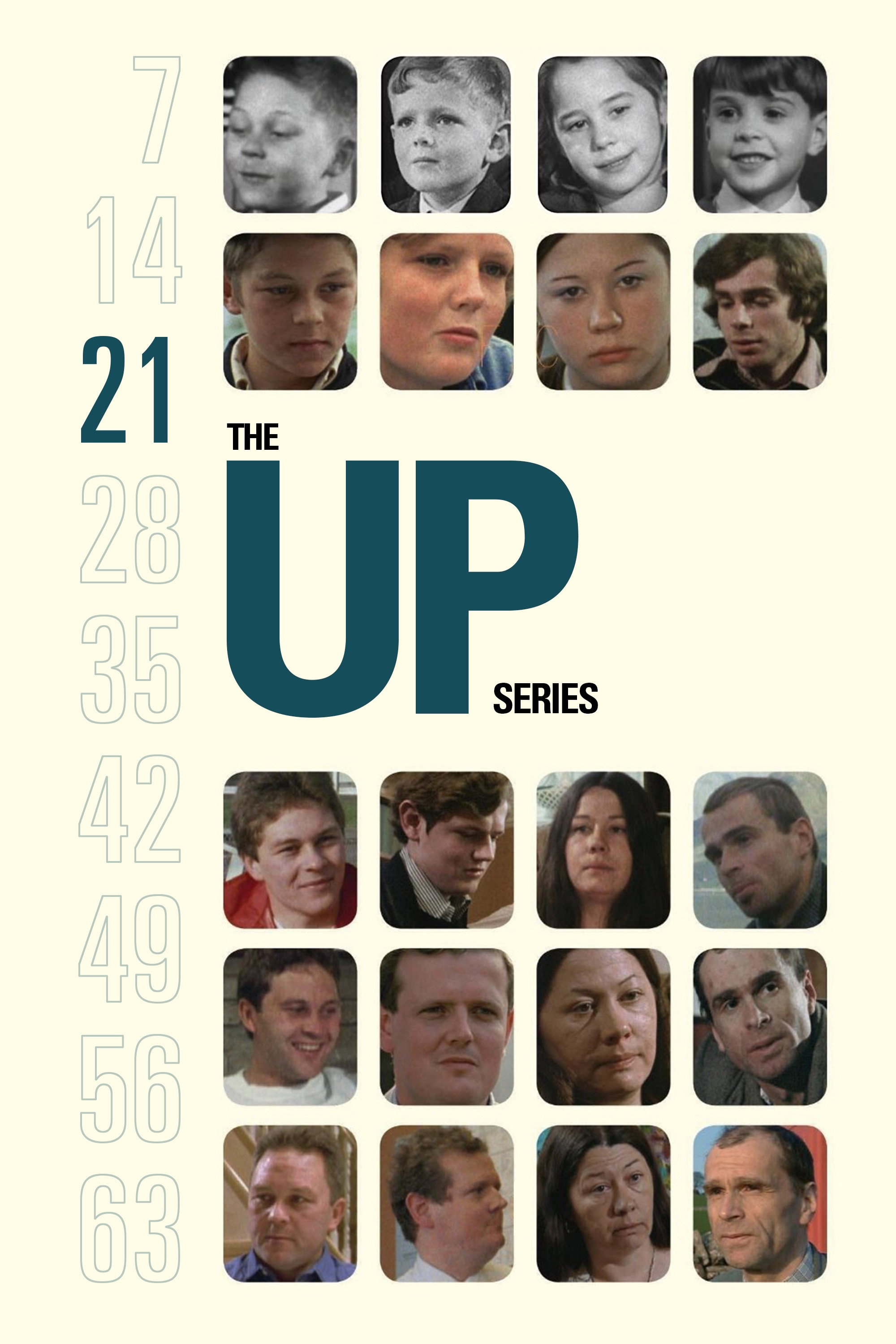
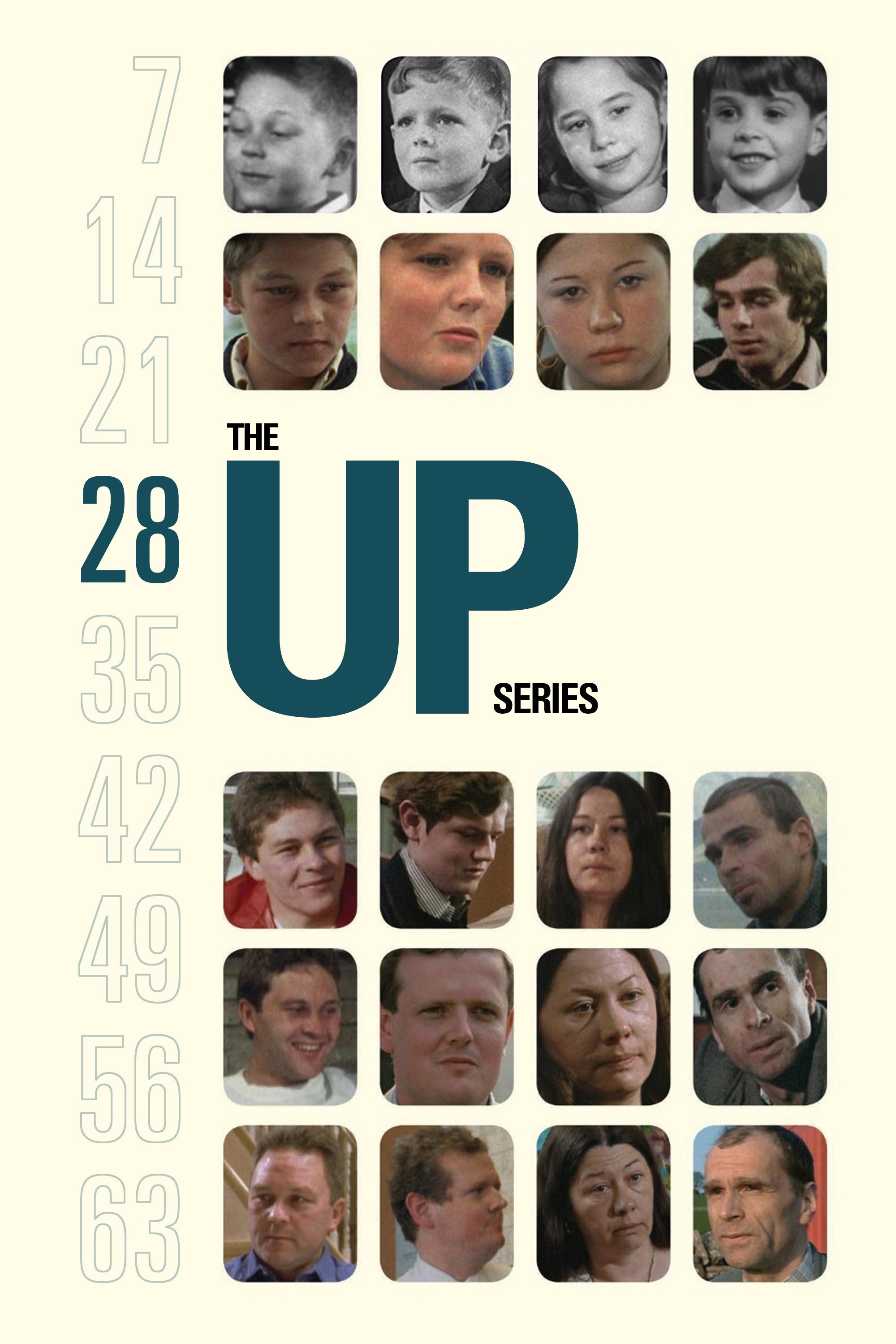
After another 7 year wait, director Michael Apted revisits the same group of British-born children from Seven Up! and 7 Plus Seven. The subjects are interviewed as to the changes that have occurred in their lives during the last seven years.
A string of threatening emails escalates into a revenge plot involving a newly married US marshal and his ex-girlfriend.
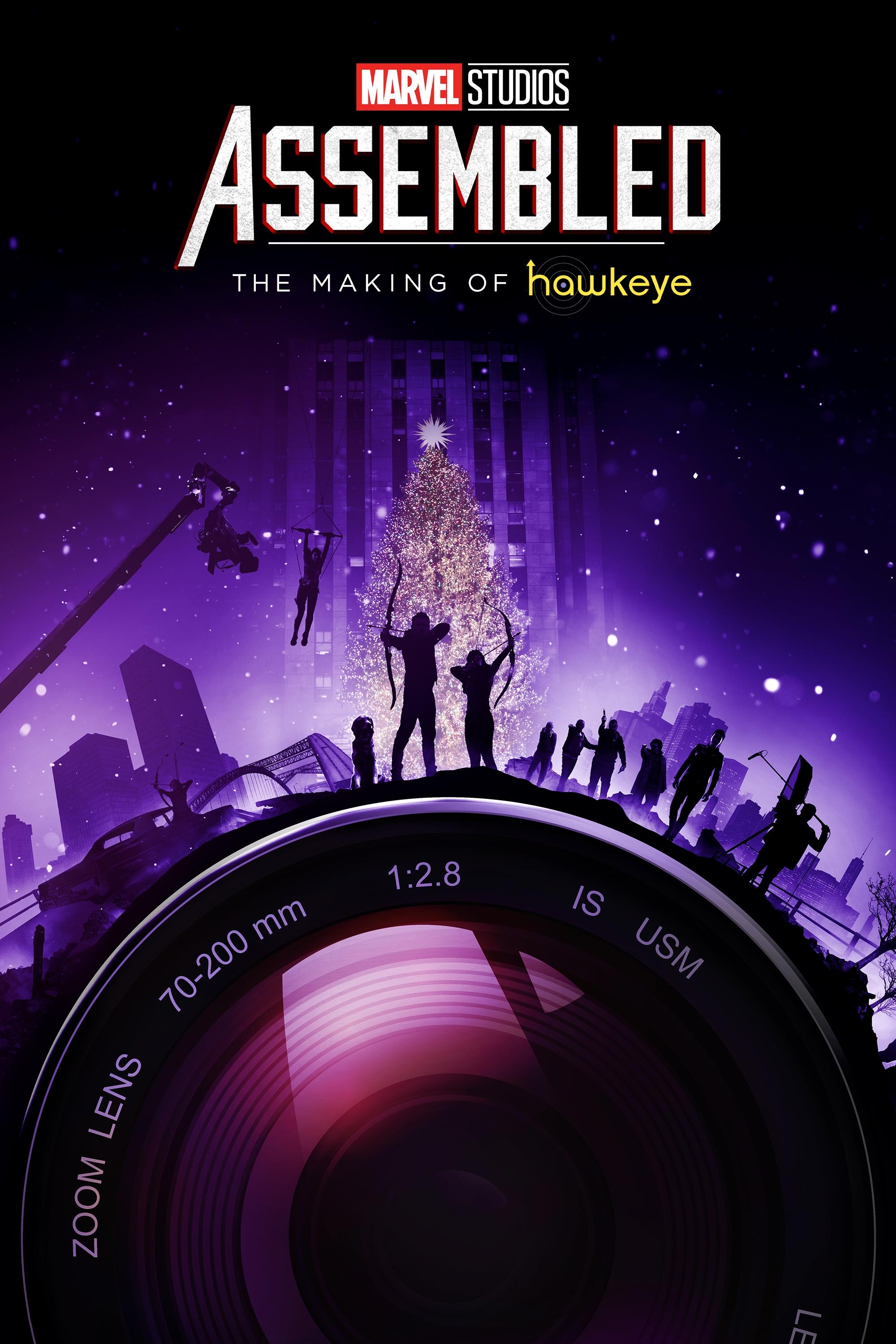
Join the likes of Jeremy Renner, Hailee Steinfeld, Florence Pugh, and Vincent D’Onofrio as they reveal how Marvel Studios’ “Hawkeye” was conceived and created. Witness firsthand what it took to pull off the show’s pulse-pounding action set pieces, and discover how iconic characters from the pages of Marvel Comics such as Kate Bishop were adapted and brought to life for the six-episode series.
The life and career of one of comedy's most inimitable modern voices, Mr. Gilbert Gottfried.
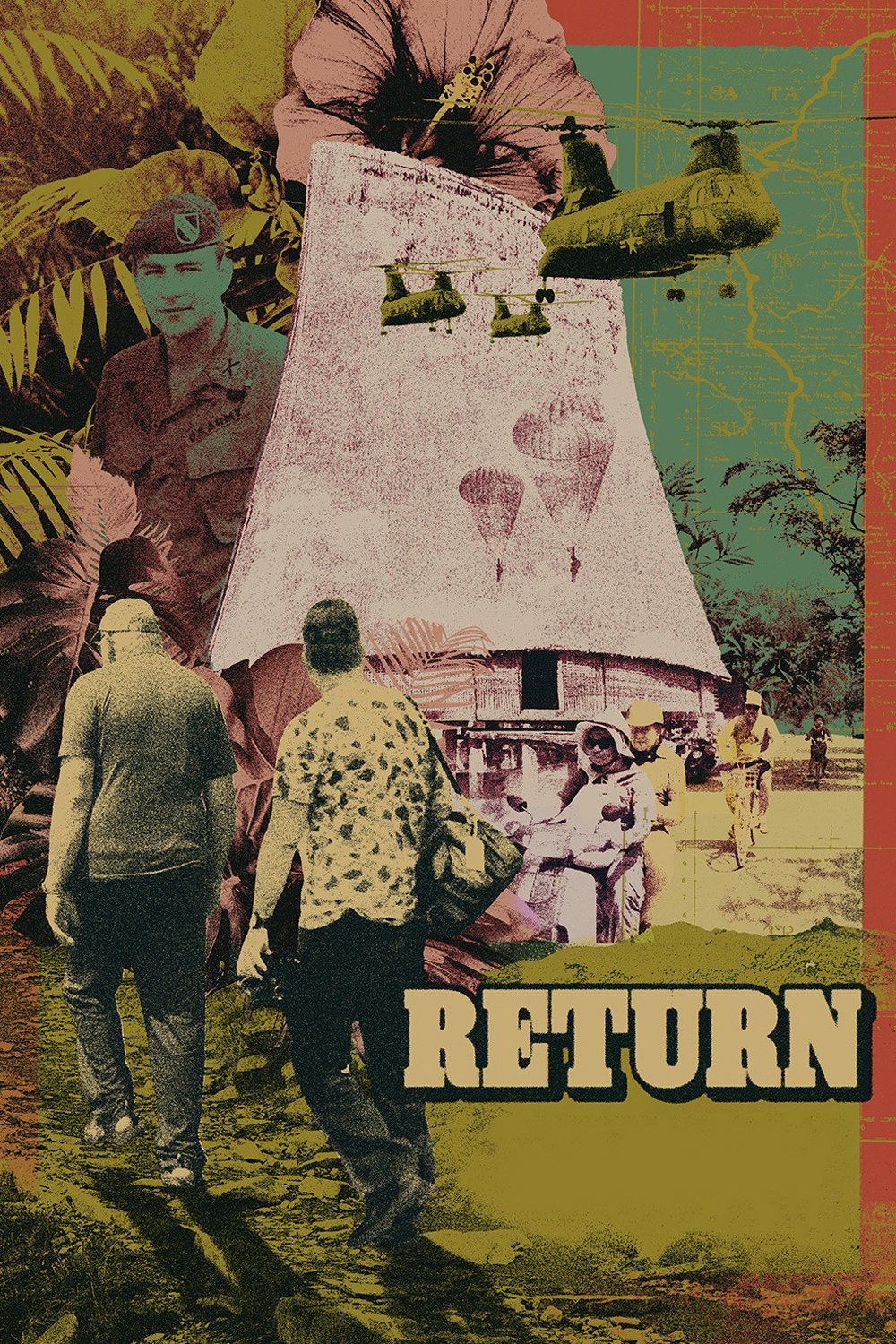
RETURN tells the story of a retired Green Beret who embarks on a healing journey from Montana to Vietnam. There he retraces his steps, shares his wartime experiences with his son, treats his Post-Traumatic Stress Disorder, and seeks out the mountain tribespeople he once lived with and fought alongside as a Special Forces officer.
Just two years away from turning 30, participants in Michael Apted's documentary series are facing serious questions of identity and purpose, wondering whether they've found their place in the world.
This documentary focuses on the actors and their journey over two summers to create the remake to the original IT, by Stephen King. The documentary originally released as bonus material, bundled with IT: Chapter Two.
The life and career of an actor, artist, and icon. His own journey through his own camera.
A documentary about the life and films of director John Ford.
The Making-of James Cameron's Avatar. It shows interesting parts of the work on the set.
Those who knew iconic funnyman John Candy best share his story, in their own words, through never-before-seen archival footage, imagery, and interviews.
Alexander McQueen's rags-to-riches story is a modern-day fairy tale, laced with the gothic. Mirroring the savage beauty, boldness and vivacity of his design, this documentary is an intimate revelation of McQueen's own world, both tortured and inspired, which celebrates a radical and mesmerizing genius of profound influence.
Daniel Craig candidly reflects on his 15 year adventure as James Bond. Including never-before-seen archival footage from Casino Royale to the upcoming 25th film No Time To Die, Craig shares his personal memories in conversation with 007 producers, Michael G Wilson and Barbara Broccoli.
A detailing of the rise to prominence and global sporting superstardom of six supremely talented young Manchester United football players (David Beckham, Nicky Butt, Ryan Giggs, Paul Scholes, Phil and Gary Neville). The film covers the period 1992-1999, culminating in Manchester United's European Cup triumph.