Documentary film about the Slovak Youth Line - a railway line built by the Czechoslovak youth from Hronská Dúbrava to Báňská Štiavnica and Letovice.
Social & External
The people behind it
Ladislav Chudík
Commentary (voice)
Viliam Záborský
Short documentary about the new ICE. On March 19, 1985, the ICE was officially handed over to the Bundesbahn at Krupp in Essen during a rollout ceremony attended by invited guests, experts and media representatives.
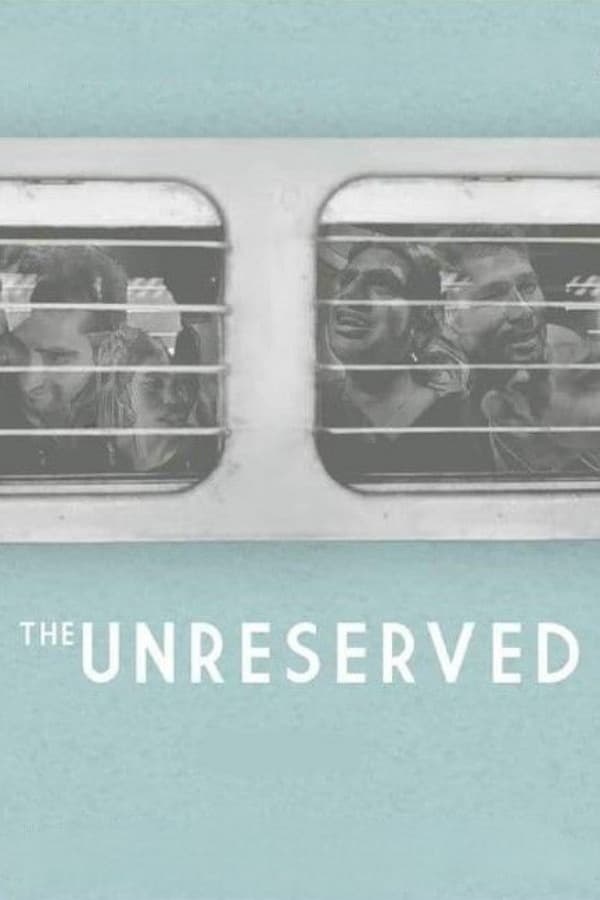
The Unreserved is an inquiry into the lives of passengers who use the Unreserved Compartment, the cheapest way to travel across India on the Indian Railways system. The film portrays the passengers’ aspirations, efforts and opinions through conversations and personal stories.
Educational film about Locomotive driver training
The German railroad has been in operation since 1835, but the darkest chapter in German railroad history is often forgotten. Extensive original film material from the Nazi era shows the dubious role played by the Deutsche Reichsbahn during the Second World War and how little resistance there was among the railroad workers.
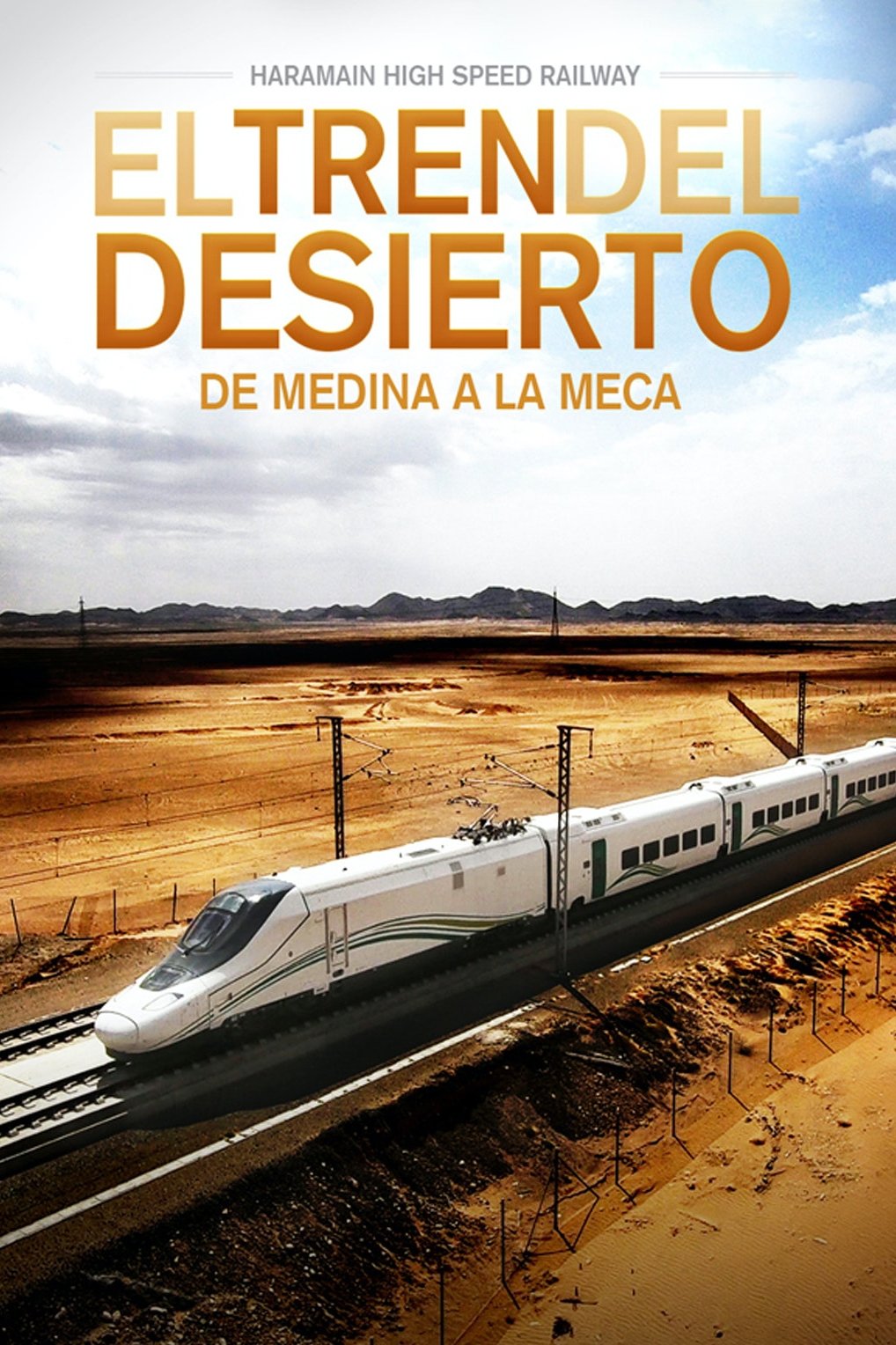
The pilgrimage to Mecca is one of the most important religious journeys for millions of people around the world. But how to get there? This documentary shows us how 12 companies met the immense challenge of running a high-speed train through Saudi Arabia's sandy rocky desert in temperatures of up to 50 degrees Celsius. A true marvel of engineering and cooperation, and together, overcoming obstacles.
First part of a two-part documentary about the now largely defunct network of local railways in the areas around Erlangen and Forchheim, Germany.
Second part of a two-part documentary about the now largely defunct network of local railways in the areas around Erlangen and Forchheim, Germany.
A unique look inside over 70 signal boxes taken from Video 125's archive filmed over a period of 30 years. Features 'boxes of all shapes and sizes, all kinds of operating methods from 19th century mechanical lever frames to 20th century panels to 21st century state-of-the-art Rail Operating Centres.
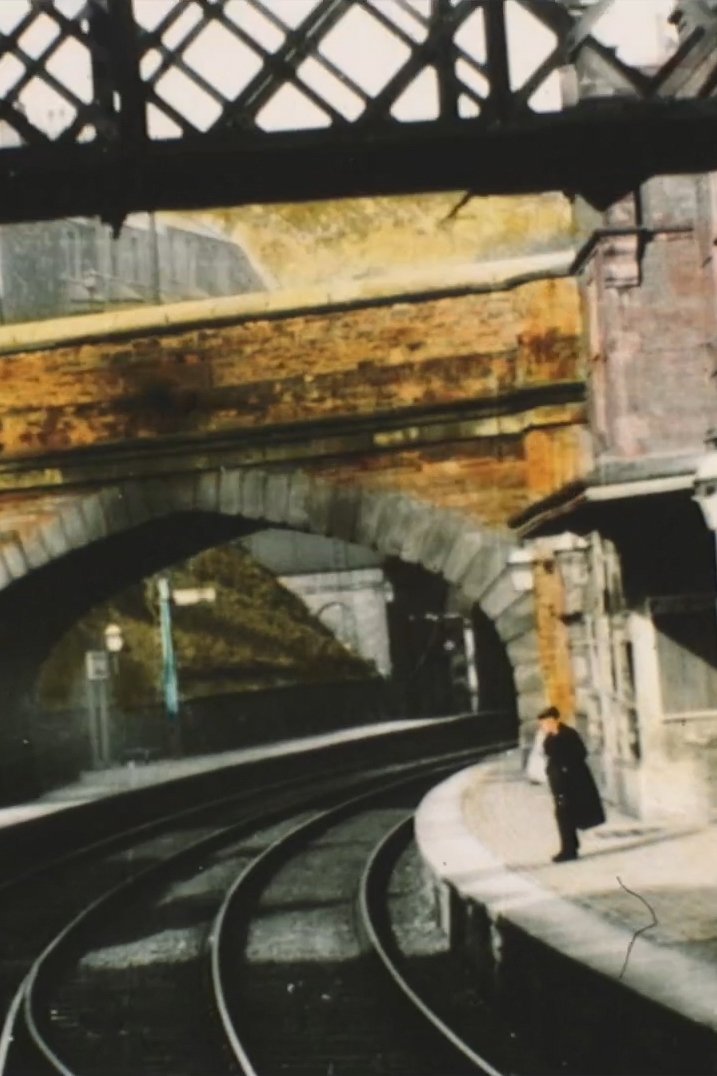
A hand-colored ride along the Bangor-Conwy-Colwyn Bay railroad filmed from an express train from the London and North Western Railway; Stations, vistas and a tunnel under the Conwy Castle (misspelled in the title) in North Wales.
May 27th, 1971 was a rainy day. In the small town Radevormwald, the world seems to be still in order. But on this day, 46 people die in a train crash, amongst them 41 schoolchildren. Since then, Radevormwald has been connected with one of the worst railway catastrophes of Germany. The touching documentary reconstructs the tragedy and shows how much the event still influences the life in the town until today.
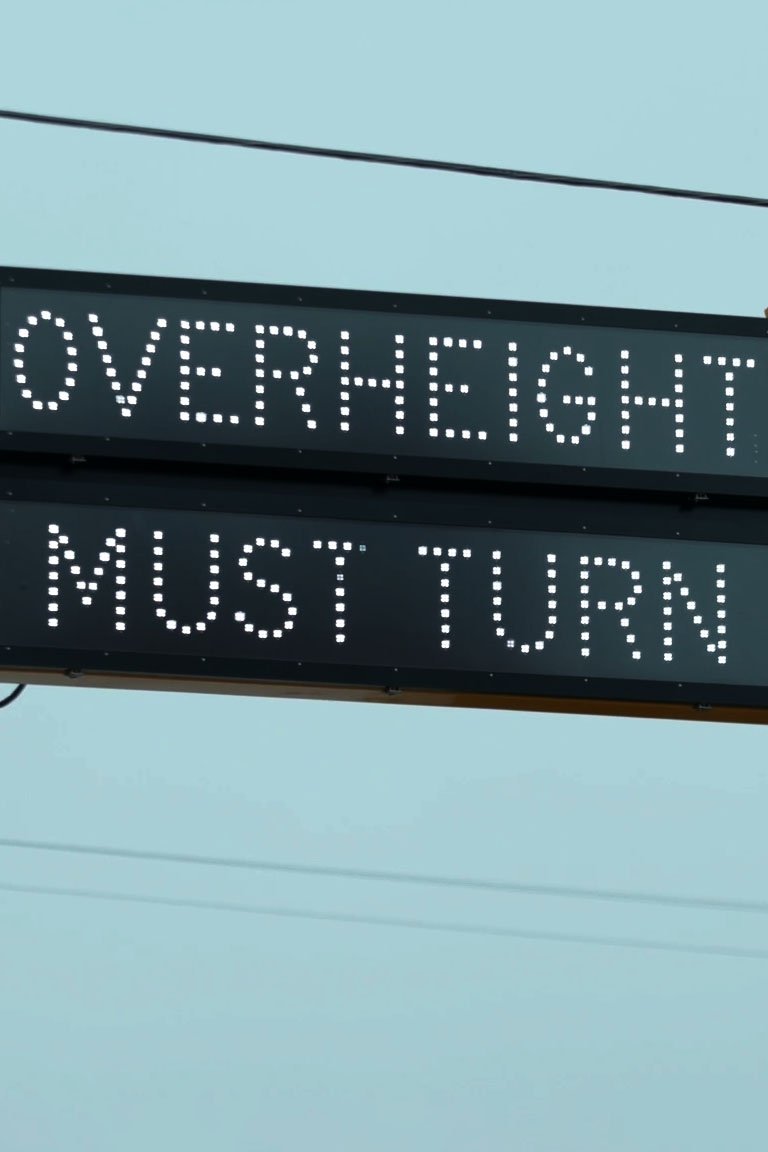
For the past ten years, Jürgen Henn has filmed over-height trucks crashing into the 11foot8 train bridge affectionately nicknamed the "Can Opener." In that time, millions have viewed the crashes online. Regional, national, and international news organizations have dined out on the story and the goofy crash reels. But why do motorists continue to crash despite the many warnings, sensors, and signs? And what is it about these crashes that holds our attention? In this piece, we look for the humanity in human error.
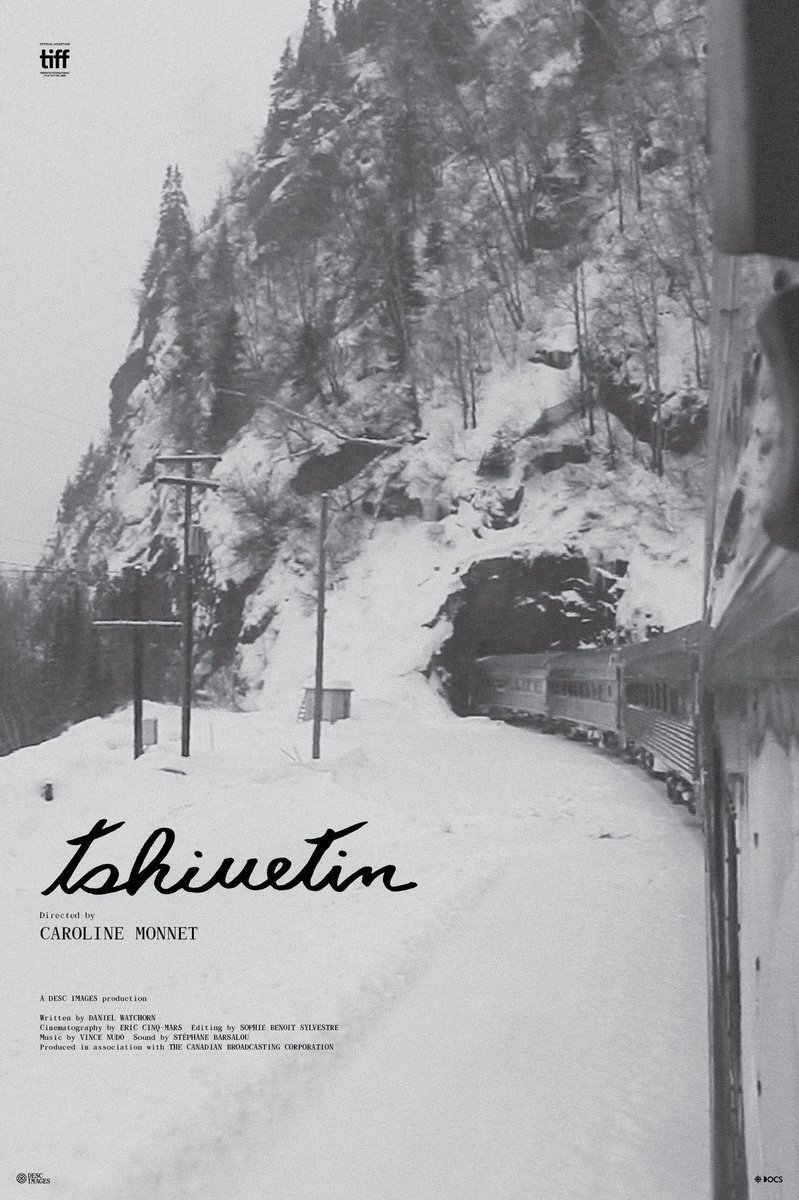
Take a breathtaking train a ride through Nothern Quebec and Labrador on Canada’s first First Nations-owned railway. Come for the celebration of the power of independence, the crucial importance of aboriginal owned businesses and stay for the beauty of the northern landscape.
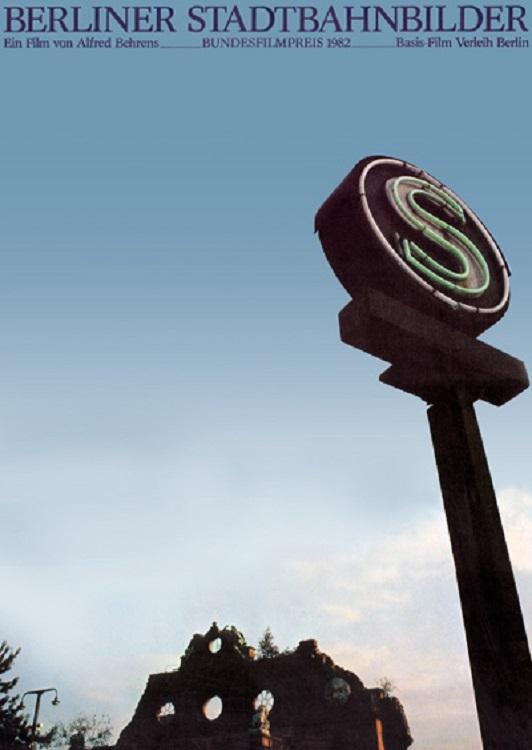
Documentation on the Berlin S-Bahn, which threatened to fall into oblivion as a result of the division of the city.
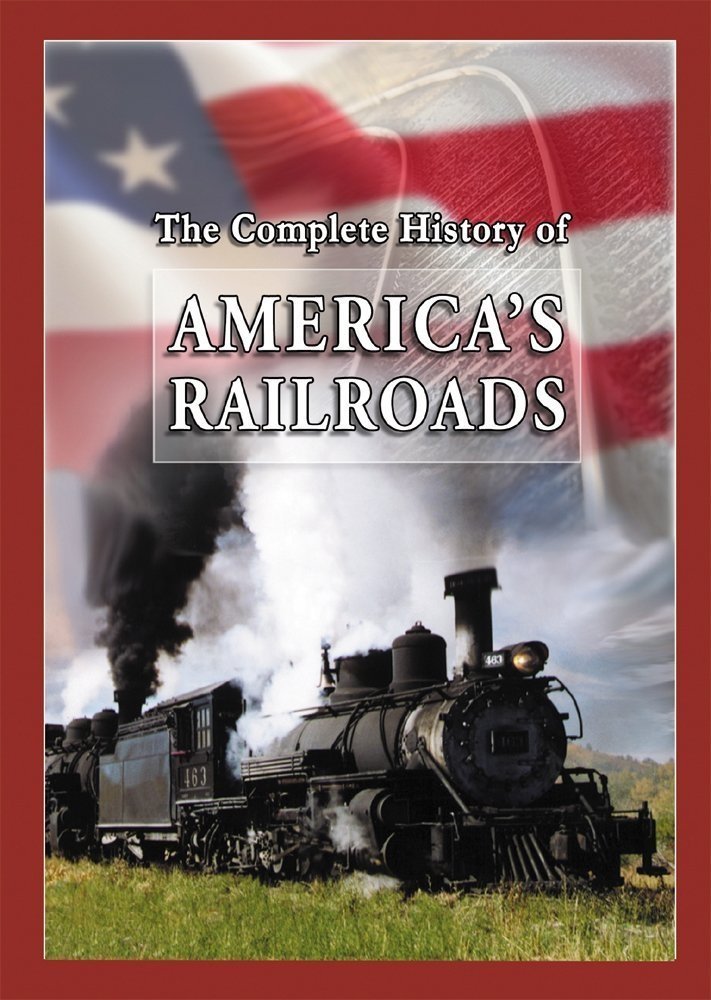
No matter what your age you'll love watching this impressive and comprehensive story of the development of railroading in America. Rail enthusiasts as well as history buffs, teachers and home schoolers, plus kids of all ages will appreciate this magnificent rail adventure covering live action historic operating railroads, rare photos of drawings and valuable memorabilia, and live action re-enactments. Featuring spectacular cinematography and an inspiring musical score, this Award-Winning four part DVD covers over one-hundred years of railroading evolution.
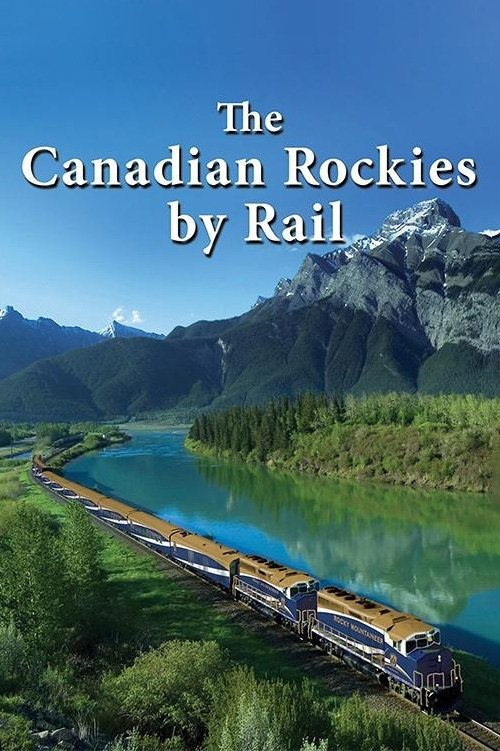
The Canadian Rockies by Rail takes viewers on a journey through the Pacific Northwest and the Canadian Rockies. The trip on board the Rocky Mountaineer train passes through some of North-America’s most stunning wilderness scenery. The trip includes stops in Vancouver, Kamloops, Banff and Jasper as well as a drive along the Icefields Parkway, often described as one of the most scenic drives in the world.
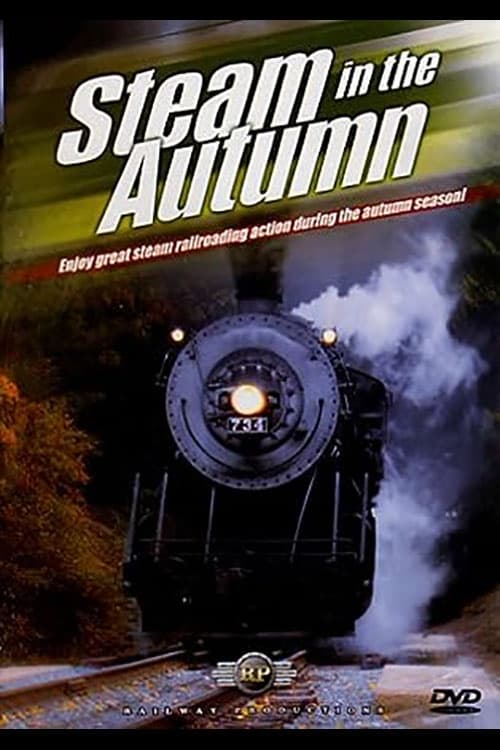
The autumn season is a great time to see steam locomotives in action. There are usually several steam photo charters scattered around the country where participants can get great shots of steam with pretty leaves, or great Indian Summer lighting. In "Steam in the Autumn" you’ll be treated to 7 different locomotives putting on a great steam show during the autumn season. If you like steam action, then this program is for you! Locomotives include: Canadian National 4-6-0 #89 Cliffside Railroad 2-8-0 #40 East Broad Top 2-8-2 #14 Grand Trunk 4-8-4 # 6325 Norfolk & Western 4-8-0 #475 Ohio Central 4-6-2 #1293 Western Maryland Scenic 2-8-0 #734 This is two hours of great steam railroading that you won’t want to miss. Order yours today!
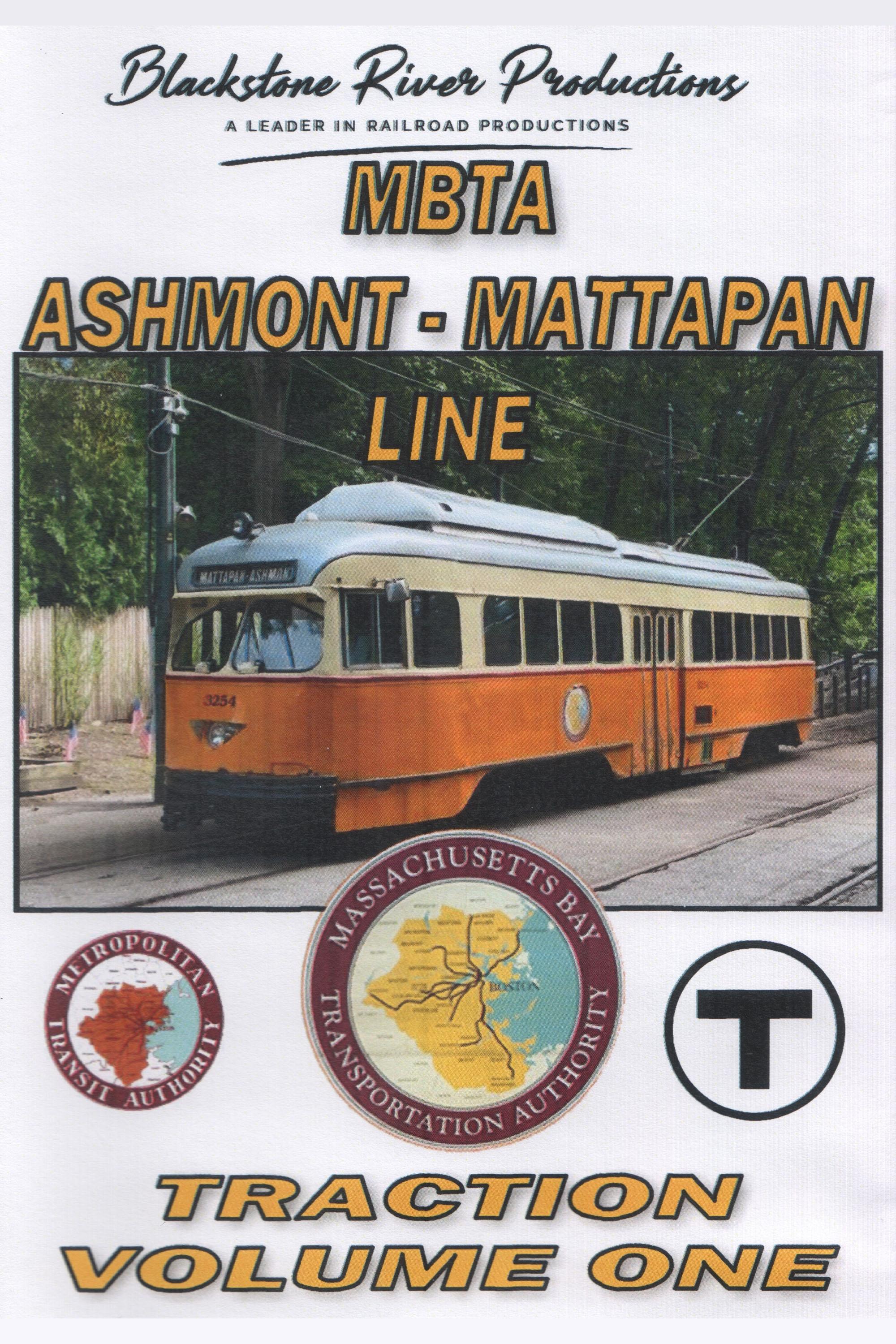
The Ashmont-Mattapan High Speed Line operates 2.6 miles of track from Ashmont Station to Mattapan Station just south of Boston. We capture this neat little commuter operation in the state of Massachusetts. They operate with all PCC trolley cars! This operation offers a vital link to commuters to get to Boston easily from the suburbs of Boston! It is a landlocked line that connects with the Red Line at Ashmont Station! Filmed in 2022 & 2023 at 7 of the 8 stations.
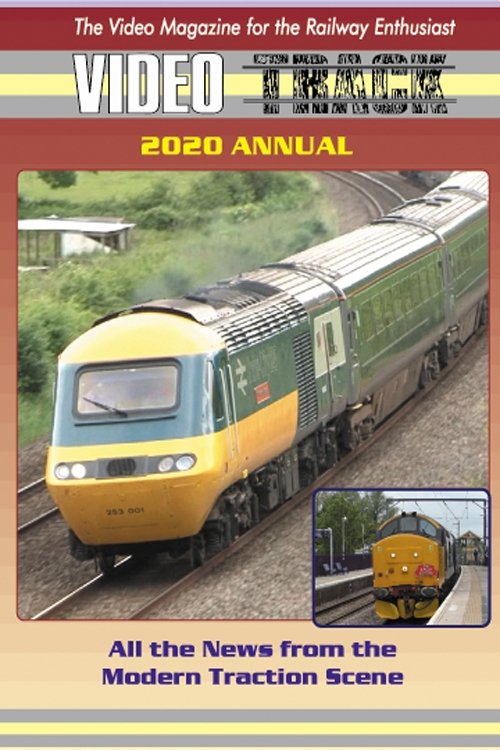
All the news from the Modern Traction Scene during 2019.
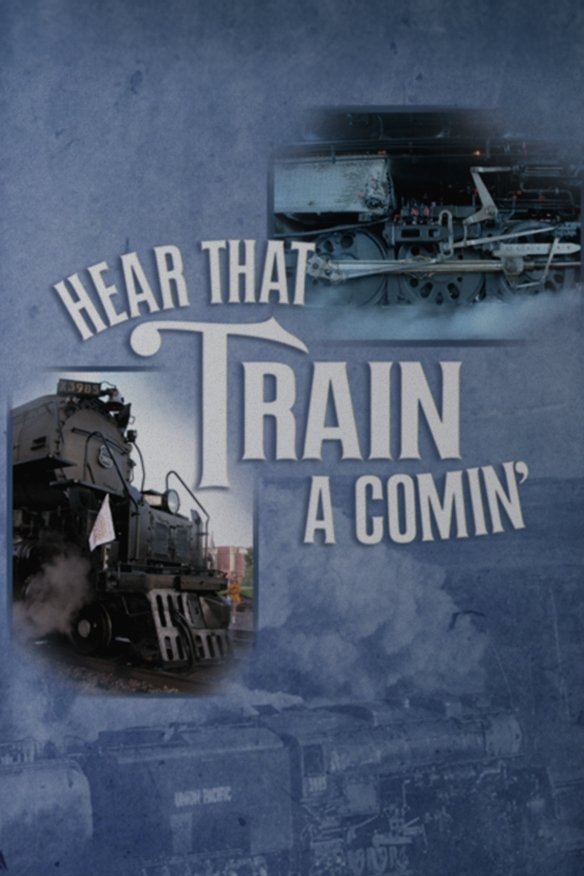
Meet the crew of the Union Pacific Challenger No. 3985, the largest and most powerful steam engine in the world. This colorful documentary is a behind-the-scenes look at the conductors, engineers and mechanics who keep this fickle train running, an engaging history of steam power, and a scenic tour the Great Plains -- from Cheyenne, Wyo., through Denver and across Nebraska to the Omaha headquarters of the Union Pacific.
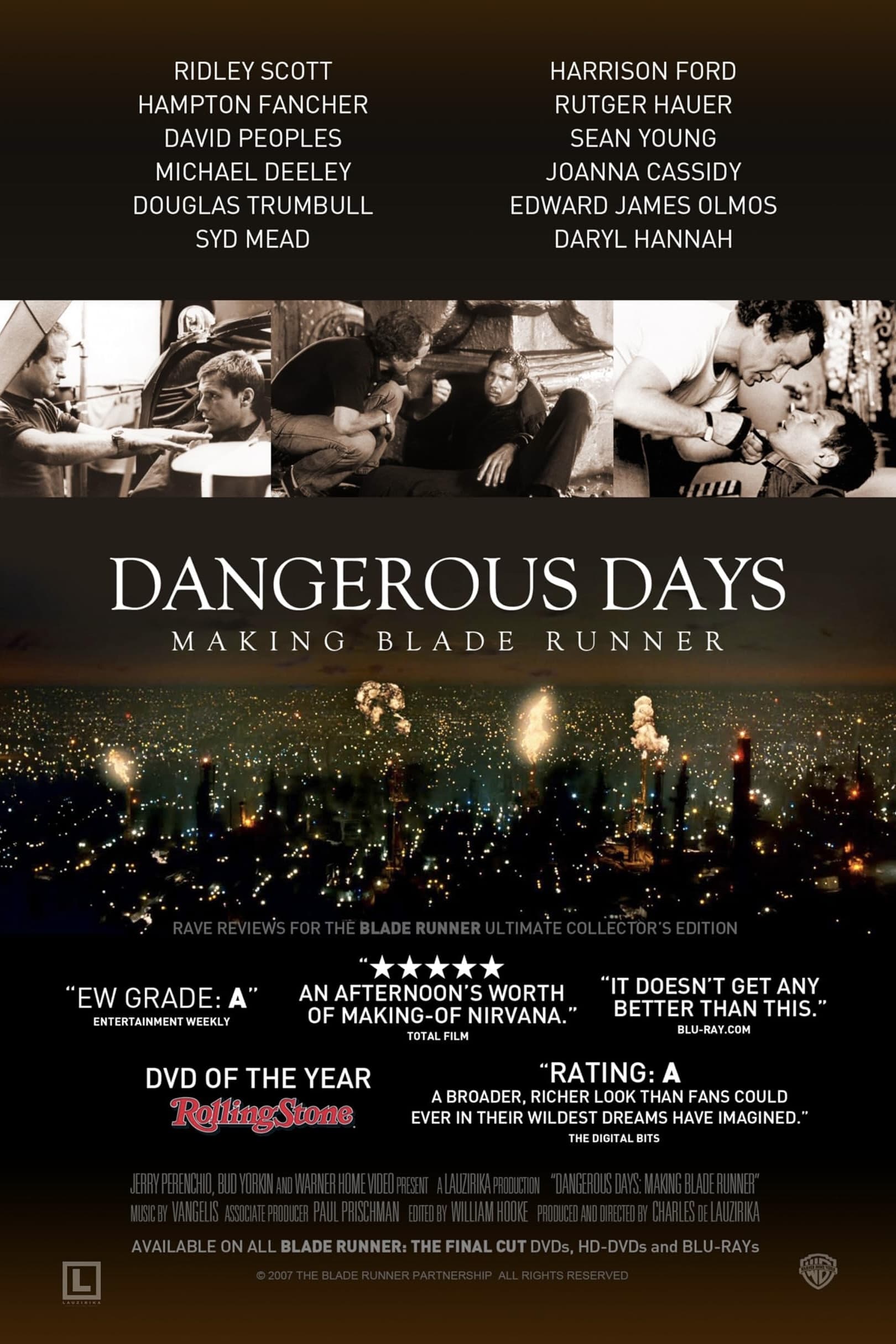
The definitive 3½-hour documentary about the troubled creation and enduring legacy of the science fiction classic 'Blade Runner', culled from 80 interviews and hours of never-before-seen outtakes and lost footage.
SEDUCED AND ABANDONED combines acting legend Alec Baldwin with director James Toback as they lead us on a troublesome and often hilarious journey of raising financing for their next feature film. Moving from director to financier to star actor, the two players provide us with a unique look behind the curtain at the world's biggest and most glamourous film festival, shining a light on the bitter-sweet relationship filmmakers have with Cannes and the film business. Featuring insights from directors Martin Scorsese, 'Bernando Bertolucci' and Roman Polanski; actors Ryan Gosling and Jessica Chastain and a host of film distribution luminaries.
Those who knew iconic funnyman John Candy best share his story, in their own words, through never-before-seen archival footage, imagery, and interviews.
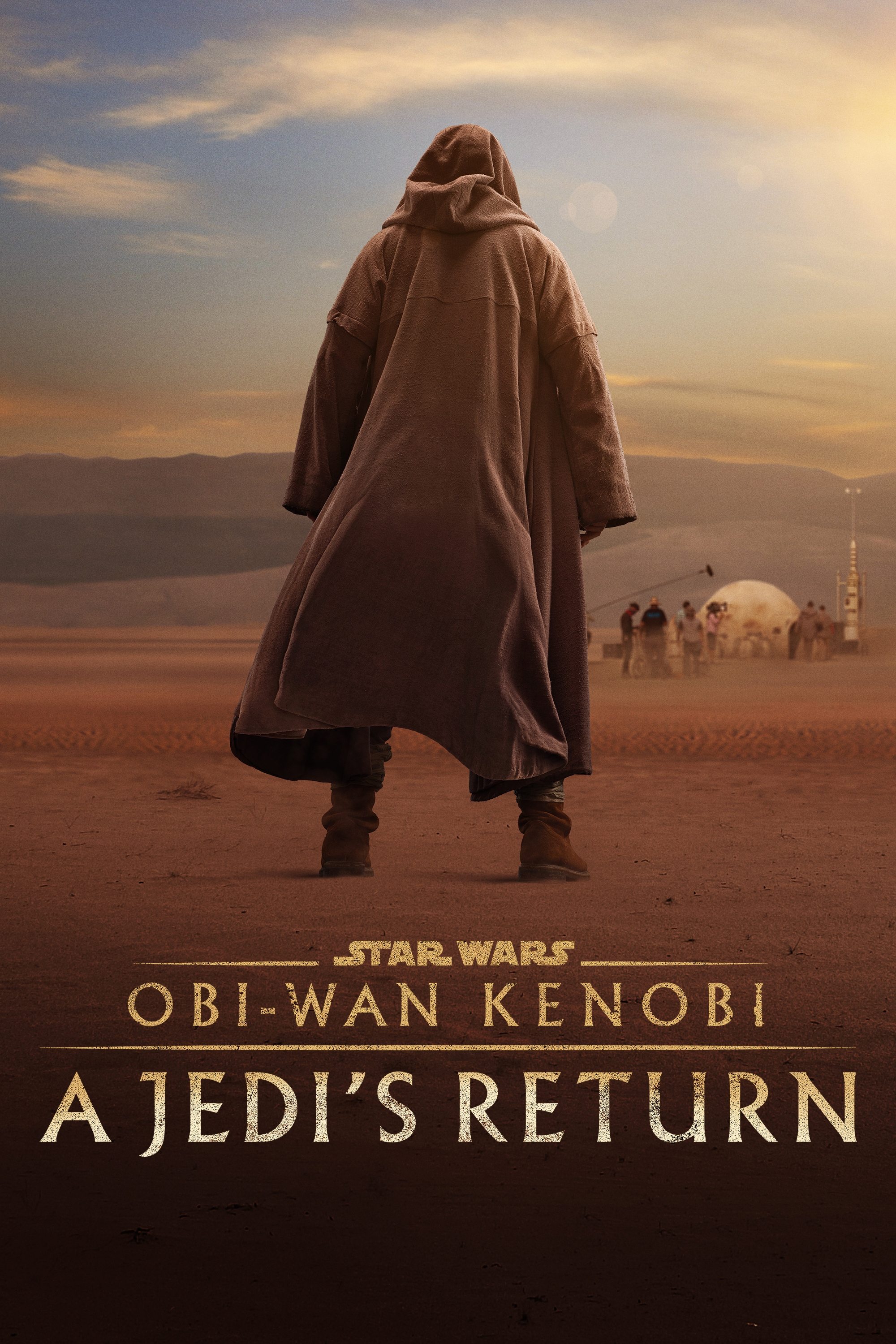
This special explores the return of Obi-Wan Kenobi and Anakin Skywalker to the screen, as well as Ewan McGregor and Hayden Christensen to their classic roles. Director Deborah Chow leads the cast and crew as they create new heroes and villains that live alongside new incarnations of beloved Star Wars characters, and an epic story that dramatically bridges the saga films.
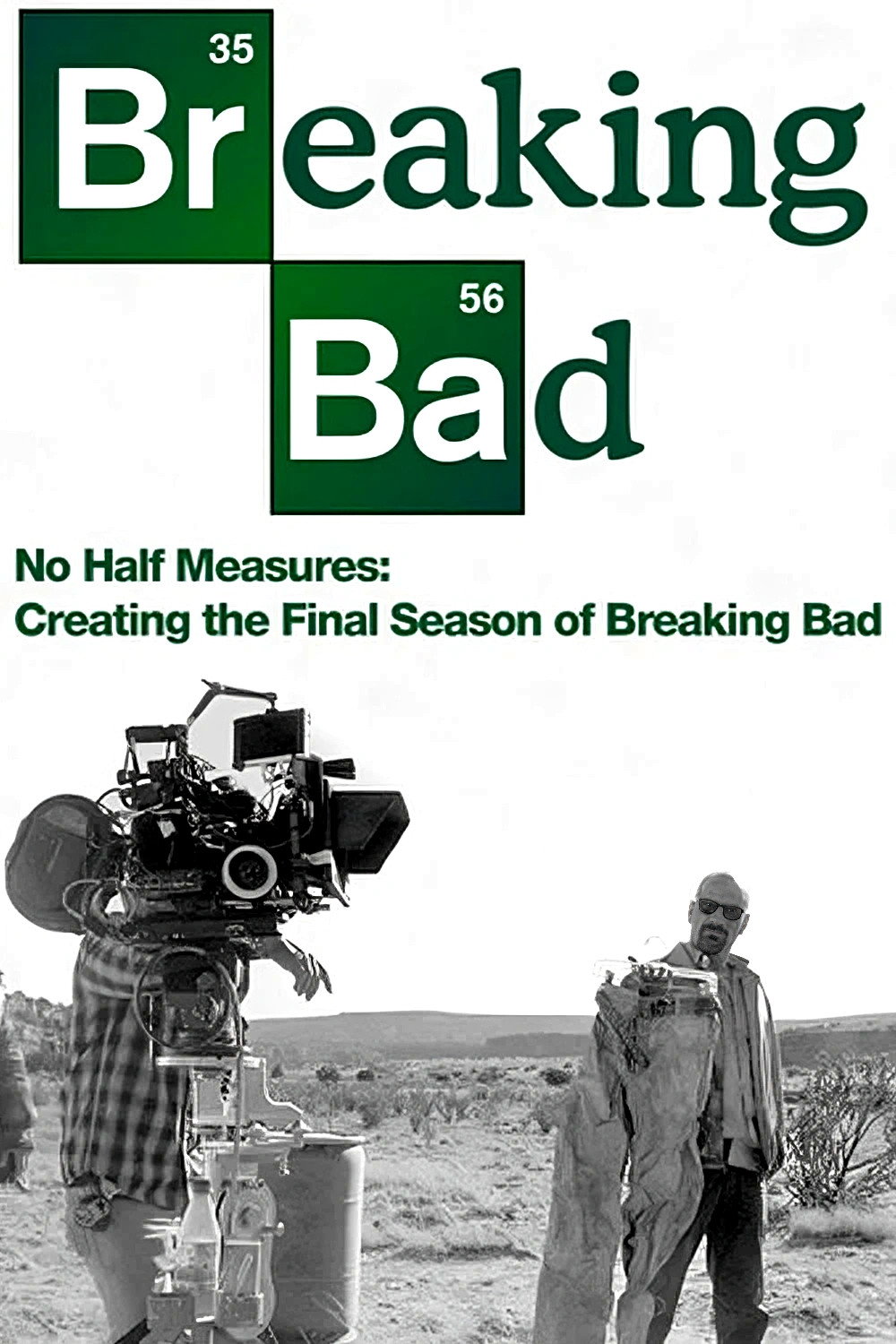
A documentary about the making of season five of the acclaimed AMC series Breaking Bad.
An inside look at one of the most anticipated movie sequels ever with James Cameron and cast.
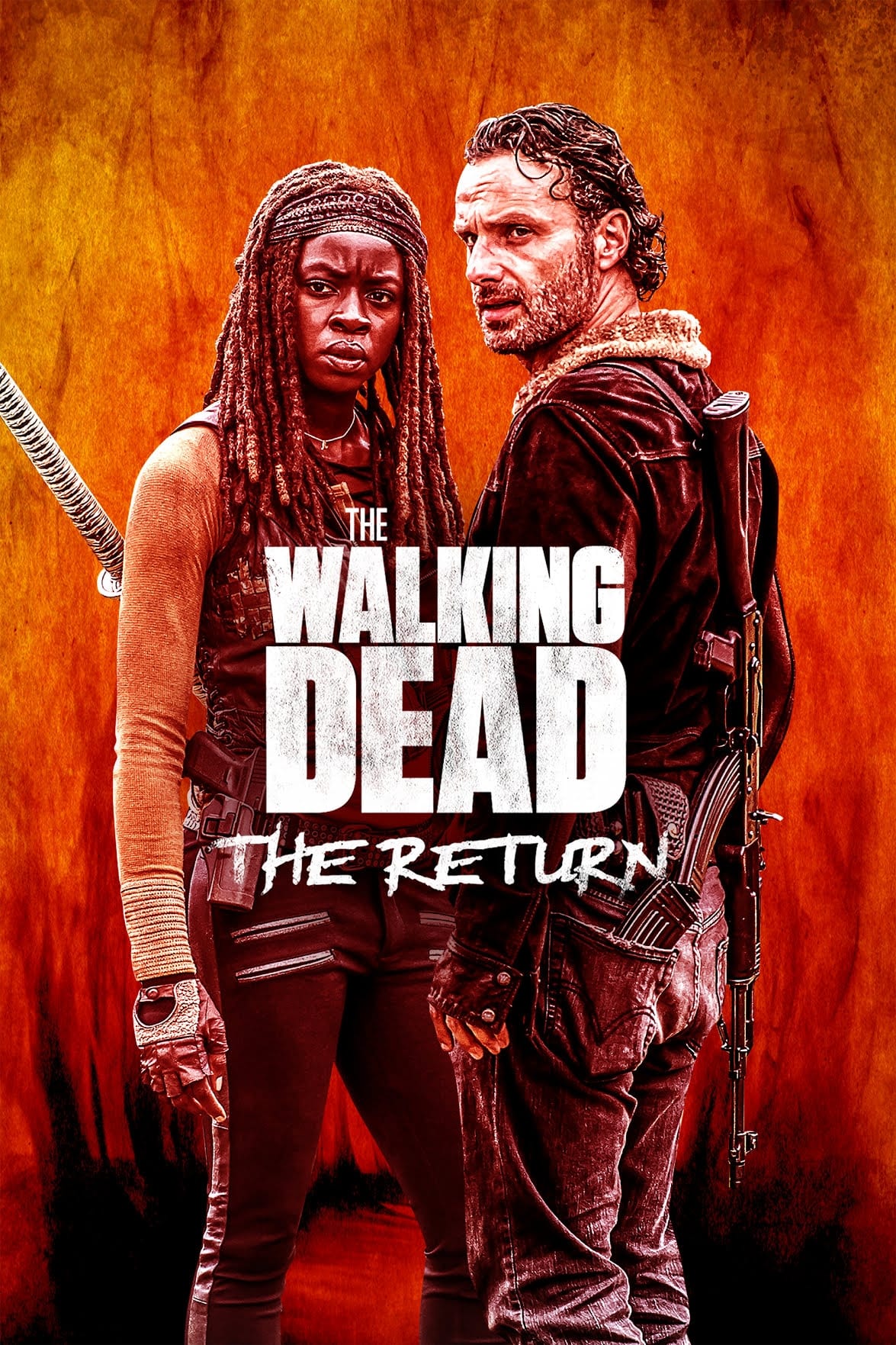
Stars of "The Walking Dead," Andrew Lincoln and Danai Gurira, walk down memory lane and visit iconic locations where pivotal moments between their characters, Rick and Michonne, were filmed.
“Showrunners” is the first ever feature length documentary film to explore the fascinating world of US television showrunners and the creative forces aligned around them. These are the people responsible for creating, writing and overseeing every element of production on one of the United State’s biggest exports – television drama and comedy series. Often described as the most complex job in the entertainment business, a showrunner is the chief writer / producer on a TV series and, in most instances, the show’s creator. Battling daily between art and commerce, showrunners manage every aspect of a TV show’s development and production: creative, financial and logistical.
A documentary about the life and films of director John Ford.
Daniel Craig candidly reflects on his 15 year adventure as James Bond. Including never-before-seen archival footage from Casino Royale to the upcoming 25th film No Time To Die, Craig shares his personal memories in conversation with 007 producers, Michael G Wilson and Barbara Broccoli.
A compilation of over 30 years of private home movie footage shot by Lithuanian-American avant-garde director Jonas Mekas, assembled by Mekas "purely by chance", without concern for chronological order.
Journey into the extraordinary world of "The Witcher" — from casting the roles to Jaskier's catchy song — in this behind-the-scenes look at the series.
A detailing of the rise to prominence and global sporting superstardom of six supremely talented young Manchester United football players (David Beckham, Nicky Butt, Ryan Giggs, Paul Scholes, Phil and Gary Neville). The film covers the period 1992-1999, culminating in Manchester United's European Cup triumph.
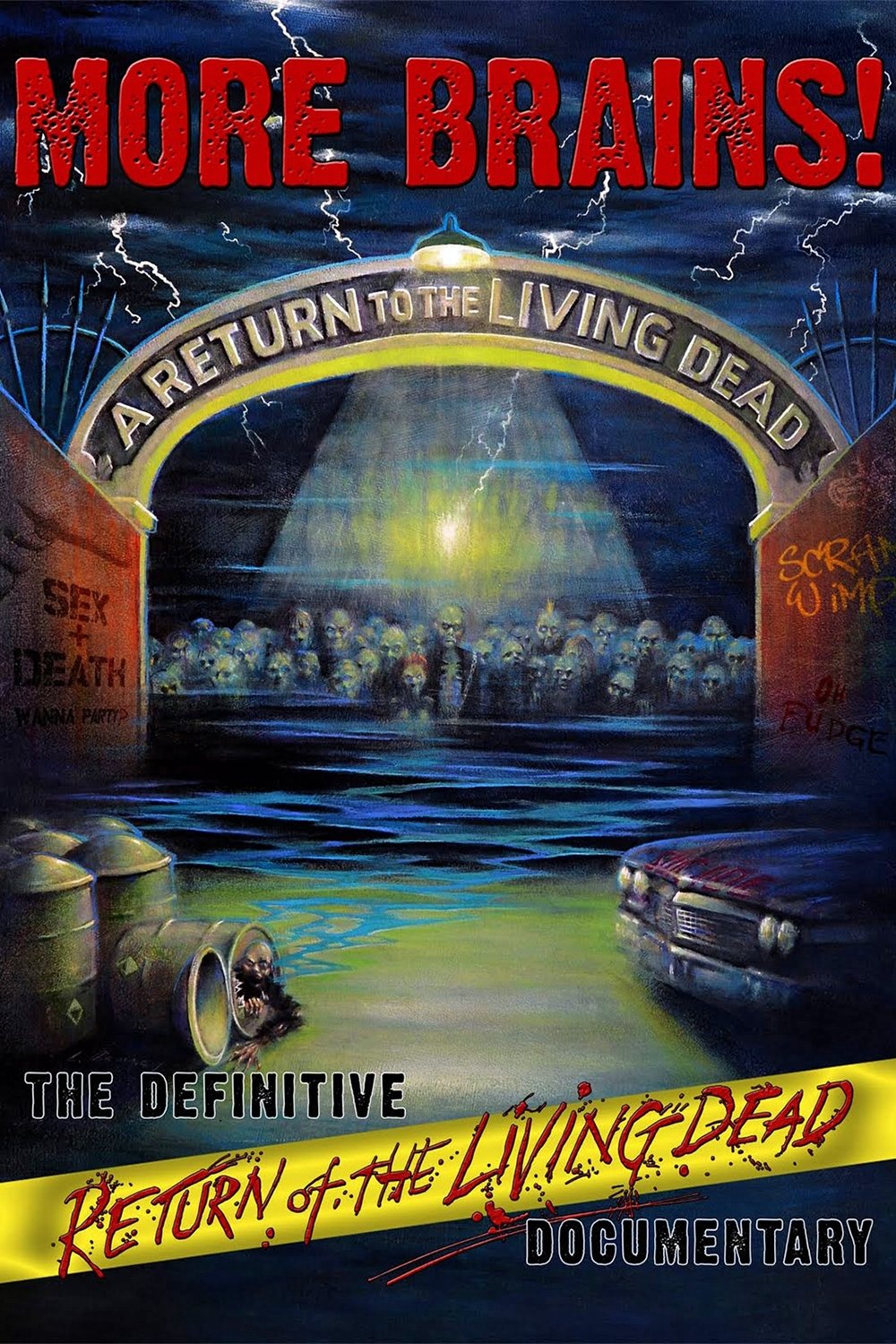
Retrospective documentary about the making of the horror cult classic "The Return of the Living Dead."
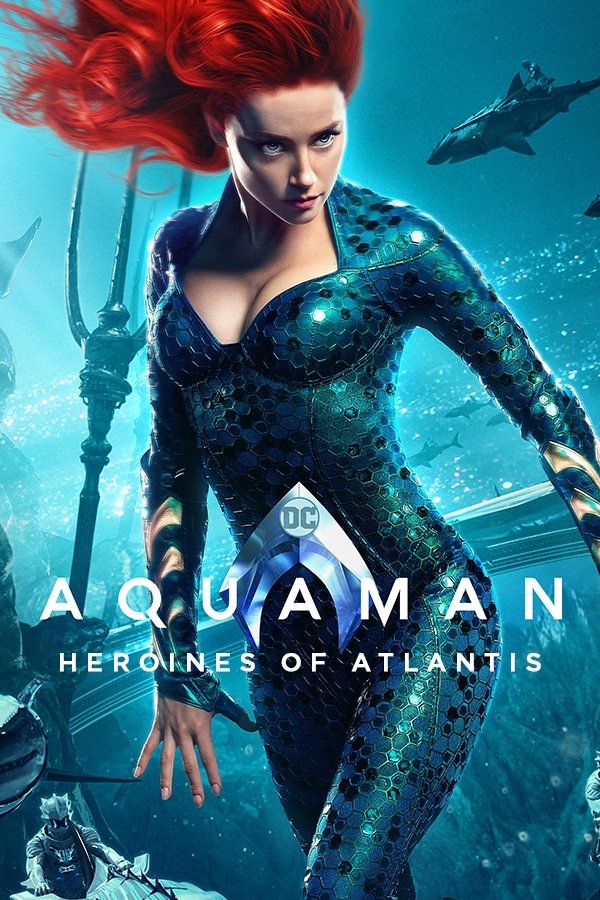
Amber Heard and Nicole Kidman discuss their characters Mera and Atlanna.
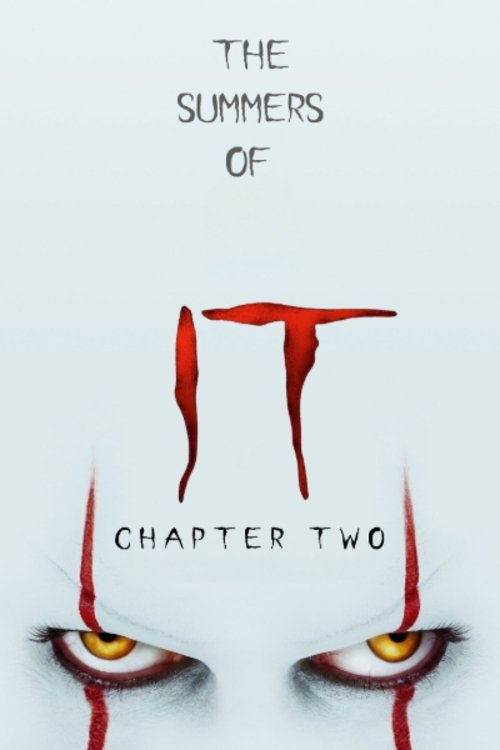
This documentary focuses on the actors and their journey over two summers to create the remake to the original IT, by Stephen King. The documentary originally released as bonus material, bundled with IT: Chapter Two.
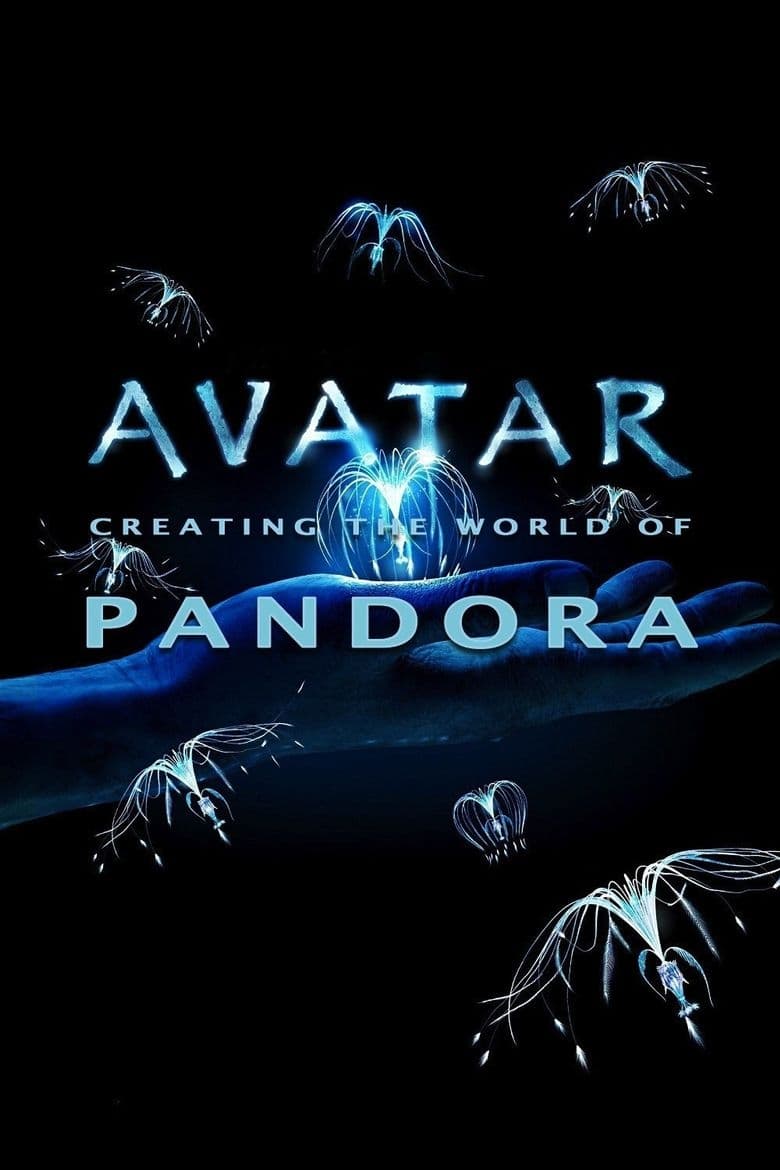
The Making-of James Cameron's Avatar. It shows interesting parts of the work on the set.
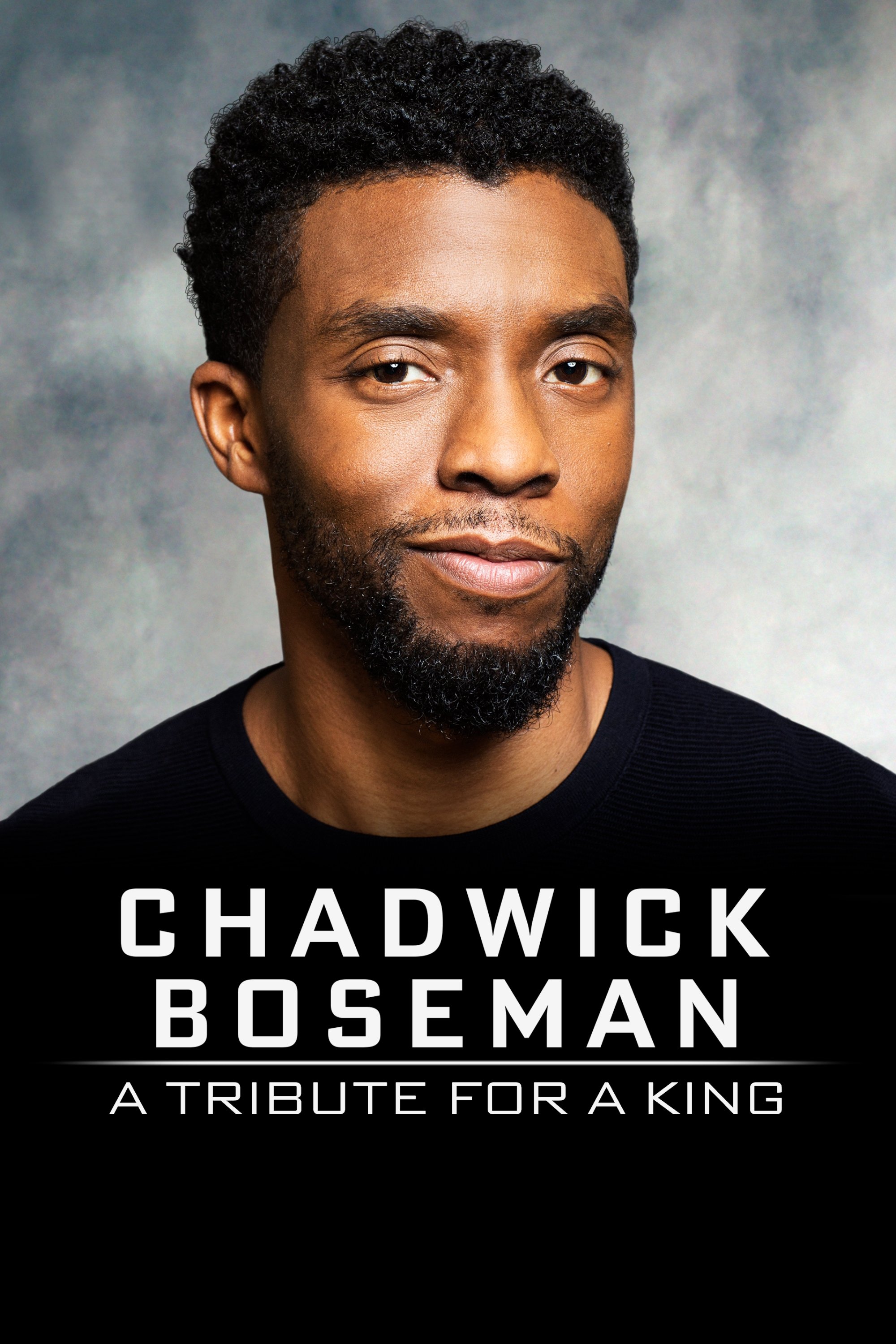
A tribute to Chadwick Boseman, celebrating his life and legacy.
This revealing documentary honors the legendary Sidney Poitier—iconic actor, filmmaker, and civil rights activist. Featuring interviews with Denzel Washington, Spike Lee, Halle Berry, and more.
Police pull over a woman who claims she just gave birth. But the baby — and the blood — aren't hers. Twisted lies unravel in this true-crime documentary.